 Semiahmoo
 Building a Deck That Holds Up in California Creek
California Creek sits close enough to the water that every outdoor structure on the property deals with salt-laden air, wind-driven rain, and long stretches of shade where moss and algae never fully dry out. A deck built the same way you'd build one twenty miles inland in Whatcom County will show it within a few seasons — soft spots at the ledger, rust streaks around fasteners, and a walking surface that turns slick every fall. Building a deck for this specific area means making different choices at almost every stage, from the hardware in the framing to the gap width between deck boards.
This page covers what a deck built for California Creek actually needs, what a correct installation involves, and how we approach the work when we're building here. It's not a generic "how decks are built" page — it's specific to the conditions this neighborhood deals with.
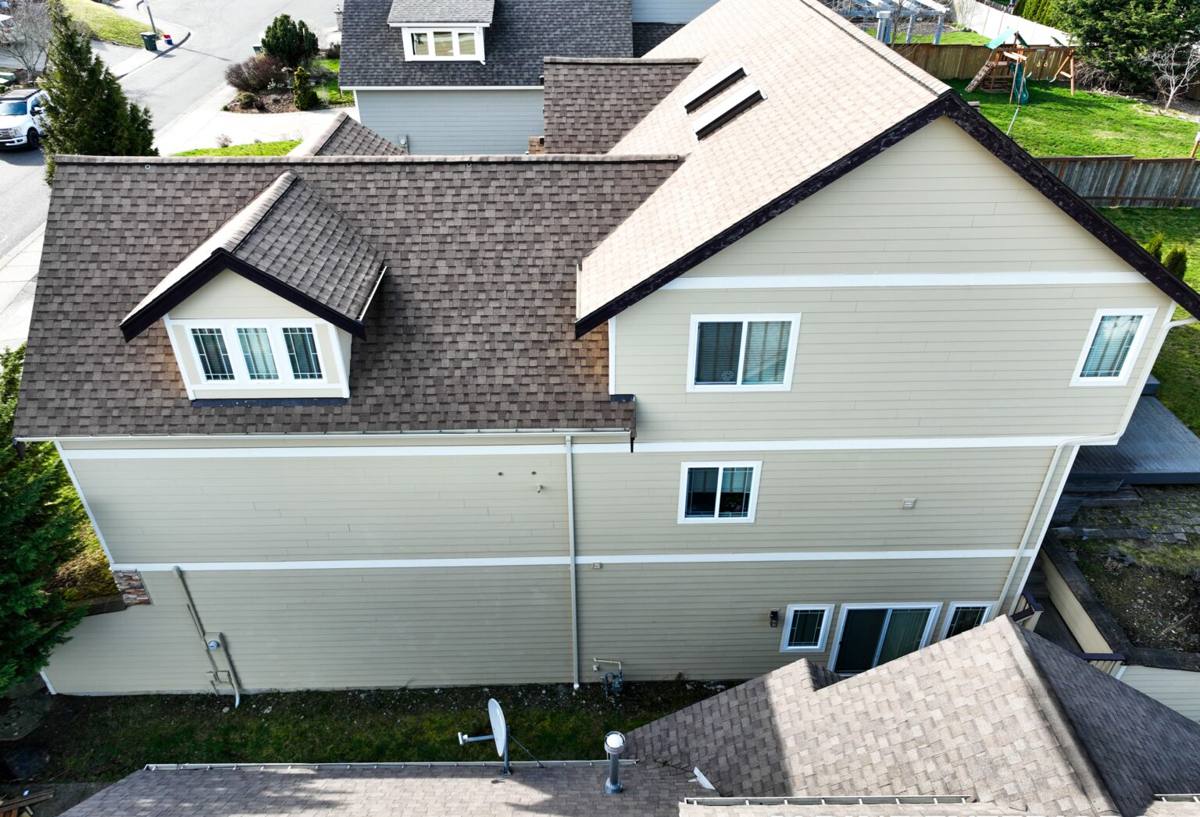
What Semiahmoo's Climate Does to an Ordinary Deck
Before talking about materials and process, it helps to understand the three things that do the most damage to a deck in this part of Whatcom County.
Salt Air and Metal Fasteners
Airborne salt accelerates corrosion on any hardware that isn't rated for it. Standard galvanized screws and joist hangers can start showing rust bleed within a couple of years this close to the water. Once a fastener starts corroding, it loses holding strength long before it looks obviously bad — which is exactly why so many decks fail quietly at the connections rather than in the decking boards themselves.
Driving Rain and Ledger Board Rot
Wind-driven rain doesn't fall straight down — it gets pushed sideways into house walls, ledger boards, and any horizontal surface that isn't properly flashed and sloped. The ledger board, where the deck attaches to the house, is the single most common failure point on decks in this region because it's also the hardest spot to inspect once the deck is built and the siding is closed up around it.
Moss, Shade, and Slick Surfaces
Between fall and spring, shaded decks in this area can stay damp for weeks at a time. That moisture, combined with organic debris from surrounding trees, is exactly what moss and algae need to take hold. On a smooth-surfaced deck board, that turns into a genuine slip hazard, not just a cosmetic problem.
Choosing the Right Decking Material
There's no single "best" decking material for every situation — the right call depends on budget, how much maintenance you're willing to do, and how much sun or shade the deck gets. Here's how the common options actually perform in a salt-air, high-moisture setting like California Creek.
| Material | How It Handles Salt Air & Moisture | Maintenance | Typical Lifespan Here |
|---|---|---|---|
| Pressure-treated wood | Fine if sealed and re-sealed on schedule; end grain and fastener holes need extra attention | Annual cleaning, re-sealing every 1-2 years | 15-20 years with upkeep |
| Cedar | Naturally rot-resistant but still needs sealing near the coast; grays without finish | Sealing every 1-2 years, moss treatment in shaded spots | 15-20 years with upkeep |
| Composite decking | Doesn't rot, but boards vary in slip resistance when wet and mossy in shade | Periodic cleaning; no sealing or staining | 25-30 years, manufacturer-dependent |
| PVC decking | Fully synthetic, indifferent to moisture; some surface textures shed algae better than others | Low — occasional washing | 25-30+ years |
We won't tell a homeowner that real wood is a bad choice — a well-maintained cedar or treated deck can look great and last for decades. What we will say honestly is that composite and PVC decking take the maintenance burden off your plate, which matters more here than in a drier climate, simply because the moss and moisture cycle is longer. If you go with wood, we build in details — end-grain sealing, proper board spacing, breathable finishes — that matter more in this climate than they would elsewhere.
Framing and Fasteners Built for the Coast
The framing is where a deck's real lifespan is decided, and it's also the part homeowners see least once the project is finished. For decks we build in this area, that means:
- Stainless steel or coated fasteners rated for coastal/marine exposure, not standard galvanized hardware
- Joist hangers and structural connectors matched to the same corrosion rating as the fasteners — mixing metals invites galvanic corrosion
- Properly flashed ledger boards with a drainage gap and flashing tape, not just caulk, at the house connection
- Treated or naturally rot-resistant framing lumber, even under composite or PVC decking
- Concrete footings sized and set to local frost and soil conditions, not just the minimum code depth
None of this is visible once the deck is finished, which is exactly why it's worth asking a contractor directly what fastener grade and flashing method they use before work starts.
Drainage, Grading, and Airflow Underneath
A deck that traps water underneath it will develop problems no matter what decking material sits on top. We grade the ground beneath the deck to drain away from the house foundation, keep the underside ventilated so framing can dry out between rain events, and avoid designs that create low spots where standing water collects against posts or joists. On decks close to grade, we also think about how snow and rain runoff from the roof above interacts with the deck surface — a downspout dumping straight onto a deck accelerates every problem discussed above.
Our Deck Building Process for California Creek Homes
1. On-Site Assessment
We walk the property, look at sun and shade exposure, existing drainage patterns, and how exposed the site is to wind off the water. That assessment shapes material and fastener recommendations before we ever talk numbers.
2. Design and Permitting
We lay out the deck to fit how you'll actually use the space, then handle the permit process through Whatcom County so the footings, railings, and structural details meet current code.
3. Framing First, Correctly
Footings, ledger flashing, joists, and coastal-rated hardware go in before a single deck board is placed. This is the stage that determines whether the deck is still solid in fifteen years.
4. Decking, Railings, and Finish Work
Board spacing, fastening method, and railing material are chosen with drainage and slip resistance in mind, not just appearance.
5. Walkthrough
We go over maintenance expectations specific to your material choice and site conditions before we consider the job done.
Railings, Stairs, and Finish Details
Railings take the same salt-air beating as everything else on the deck, so hardware and post connections get the same corrosion-resistant treatment as the framing. For stair treads and any part of the deck that stays shaded, we pay extra attention to surface texture — a board that looks fine in a showroom can still turn slick once it's been through a wet Whatcom County winter under tree cover. Where composite or PVC decking is used, we favor grooved or textured board profiles in shaded areas over smooth, painted-look boards.
Keeping Your Deck in Shape Year After Year
Whatever material you choose, a little seasonal attention goes a long way in this climate. A simple maintenance rhythm for California Creek decks:
- Sweep leaves and debris off the deck regularly through fall, especially in shaded corners
- Rinse or scrub moss and algae off the surface before it builds a foothold — don't wait until it's slick
- Check fastener heads and railing connections once a year for early rust or looseness
- Confirm the ledger flashing and any caulking at the house connection is still intact
- Reseal or restain wood decking on schedule rather than waiting until it visibly grays or cracks
- Keep gutters and downspouts near the deck clear so runoff isn't draining onto or under it
Why Local Experience in California Creek Matters
A deck built to a generic national spec sheet isn't necessarily wrong — it's just not built for this specific combination of salt air, driving rain, and long moss season that California Creek deals with. A crew that already works in Semiahmoo and the surrounding Whatcom County coastline knows which fastener grades actually hold up here, which decking profiles shed moss instead of collecting it, and where ledger boards tend to fail first on homes like yours. That's the difference between a deck that needs real repair work in year six and one that's still solid at year twenty.
If you're planning a new deck or replacing one that's showing its age, we're happy to take a look and talk through honest options for your property — no pressure, no obligation. Use the form below to request a free estimate.