 Semiahmoo
 New Roofs Built for Semiahmoo Resort's Coastal Conditions
Semiahmoo Resort sits right at the water's edge on the Semiahmoo Spit, which means homes here take on weather that inland Whatcom County properties simply don't deal with. Salt-laden air off Semiahmoo Bay and the Strait of Georgia, wind-driven rain that comes in sideways during winter storms, and a wet, shaded moss season that can run eight months out of the year — all of it works against a roof that isn't installed with those specific conditions in mind. A new roof installation here isn't just a bigger version of what you'd do on a house in Bellingham or Lynden. The material choices, fastener specs, and underlayment strategy all need to account for salt exposure and near-constant moisture.
We install roofs for homeowners throughout Semiahmoo Resort and the surrounding spit and waterfront neighborhoods, and we've built our process around what actually holds up in this microclimate rather than a one-size-fits-all approach pulled from a manufacturer's general spec sheet.
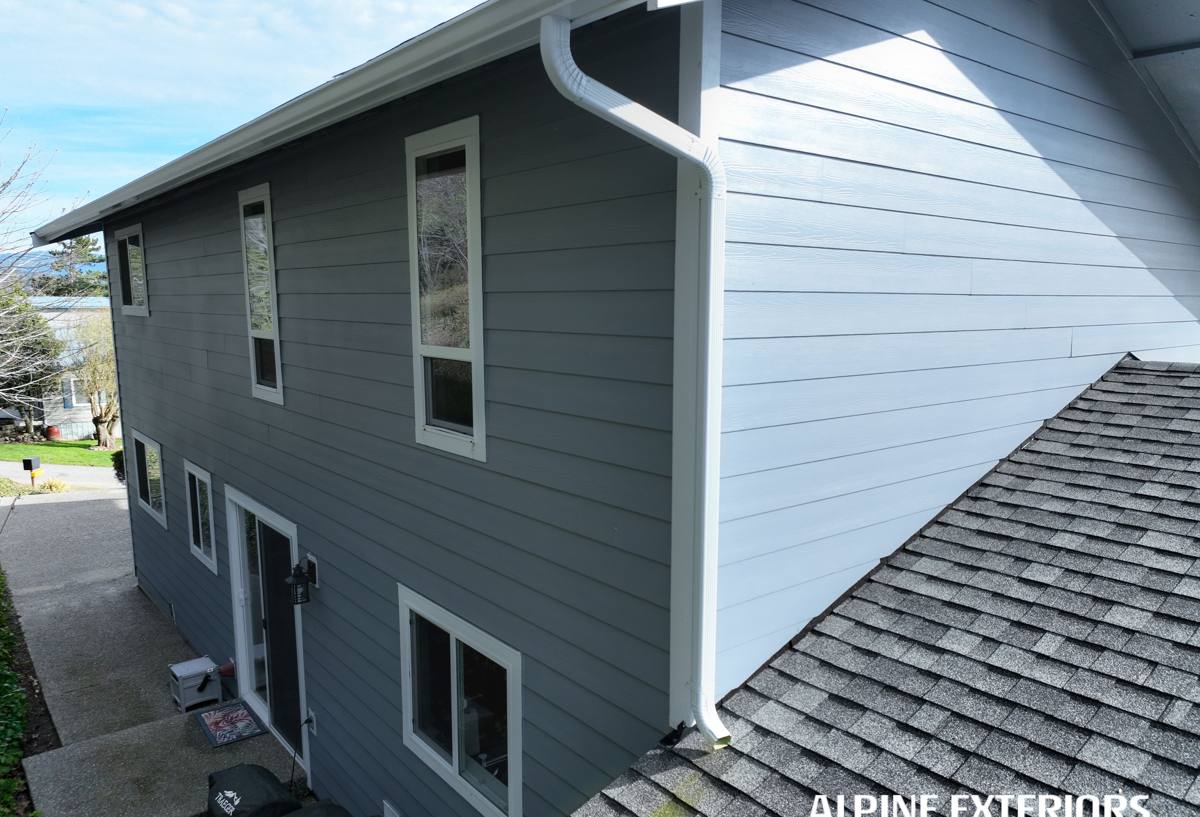
Why This Location Is Different From a Standard Whatcom County Roof
Salt Air and Corrosion
Homes close to the water deal with airborne salt that accelerates corrosion on exposed metal — fasteners, flashing, vents, and any hardware that isn't rated for coastal exposure. On a standard roofing job, cheaper galvanized fasteners might be fine for decades. On a home near Semiahmoo Bay, the same fasteners can start showing rust streaks and weakening within a handful of years. We spec stainless steel or hot-dip galvanized fasteners and coastal-rated flashing on every Semiahmoo Resort job, not because it's required everywhere, but because it's required here.
Driving Rain and Wind Exposure
The spit is exposed on multiple sides with little in the way of a windbreak. Rain doesn't just fall here, it gets pushed sideways into roof edges, valleys, and any gap in the flashing detail. That means ice-and-water shield coverage needs to extend further than the code minimum in vulnerable areas — eaves, valleys, and around every penetration — and starter courses need to be sealed tight rather than just nailed and left.
Moss, Shade, and Moisture Retention
Many Semiahmoo Resort lots have mature evergreen cover, which is part of the appeal of living out here, but it also means shaded roof sections stay damp long after the rain stops. Moss and moss-related shingle degradation show up faster in these pockets. Roof design, ventilation, and material selection all matter more when a roof spends a good part of the year in shade with limited drying time.
What a Correct New Roof Installation Includes Here
- Full tear-off and deck inspection — coastal moisture finds soft spots and rot that a re-roof over old material would hide
- Deck repair or replacement of any compromised sheathing before new material goes down
- Extended ice-and-water shield at eaves, valleys, and all penetrations, beyond code minimums where wind-driven rain is a known issue
- Coastal-rated (stainless or hot-dip galvanized) fasteners and flashing throughout
- Properly balanced intake and exhaust ventilation to reduce trapped moisture in shaded sections
- Manufacturer-correct starter strip and cap installation, since wind uplift is a real factor this close to open water
- Kick-out flashing at every roof-to-wall transition to keep water out of siding and wall assemblies below
Material Options for a Semiahmoo Resort Home
There's no single "right" roofing material for every home on the spit — it depends on your home's style, budget, and how much maintenance you want to take on. Here's how the common options stack up specifically for this environment.
| Material | Coastal Performance | Maintenance | Typical Lifespan Here |
|---|---|---|---|
| Architectural asphalt shingle | Good with coastal-rated fasteners and proper ventilation | Periodic moss treatment recommended | 20-30 years |
| Standing seam metal | Excellent when specified with coastal-grade coatings and fasteners | Low; occasional fastener and seam check | 40-50+ years |
| Cedar shake | Fair; needs diligent moisture management in shaded, damp areas | High; regular treatment and moss control | 20-30 years with upkeep |
| Synthetic/composite shingle | Good; resists moisture absorption better than wood | Low to moderate | 30-50 years |
We'll walk through the trade-offs with you honestly during the estimate. Metal roofing tends to hold up the longest with the least upkeep out here, but it costs more up front. Architectural shingles remain the most common choice because they balance cost, appearance, and durability well when installed with the coastal details noted above.
A Note on Wood Shake
Cedar shake has a traditional look that fits a lot of homes on the spit, and we'll install it if that's what you want. Our honest input: it demands more consistent maintenance in a damp, shaded coastal environment than shingle or metal, and skipping that maintenance shortens its life faster here than it would inland. We'll tell you that upfront rather than let you find out the hard way.
Our Process for Semiahmoo Resort Projects
1. On-Site Inspection and Estimate
We look at your existing roof, note the exposure direction relative to the water and prevailing wind, check for shaded/moss-prone sections, and inspect the deck as best we can before tear-off. You get a written estimate with material options, not a vague verbal number.
2. Material Selection
We go over the table above in person, tailored to your actual roof — pitch, exposure, existing ventilation, and budget all factor in.
3. Tear-Off and Deck Assessment
Old material comes off, and we inspect the full deck. Any rot or soft sheathing — more common here than in drier parts of the county — gets flagged and repaired before anything new goes down.
4. Underlayment and Flashing
This is where coastal jobs differ most from standard installs. Extended ice-and-water membrane, coastal-rated flashing, and correctly lapped underlayment go in before a single course of roofing material is installed.
5. Installation
Material goes on per manufacturer spec, with coastal fasteners and attention to uplift resistance at edges and ridges given the spit's wind exposure.
6. Final Walkthrough
We walk the job with you, confirm ventilation is working as intended, and go over any maintenance recommendations specific to your home's shade and exposure pattern.
Why Hire a Crew That Already Works Semiahmoo Resort
A roofing crew that mostly works inland jobs isn't automatically going to think about coastal fastener corrosion or extended ice-and-water coverage — those aren't things you need on a typical Whatcom County job away from the water. We work this area regularly enough to know which details matter on the spit specifically: where the wind-driven rain hits hardest, which lots hold moss longest, and which fastener and flashing specs actually hold up a decade in rather than needing early repair. That local pattern recognition is the difference between a roof that looks right on installation day and one that's still performing correctly in year fifteen.
It also means less guesswork and back-and-forth during your project — we're not learning the site conditions for the first time on your job.
Signs Your Semiahmoo Resort Roof May Need Replacement Rather Than Repair
- Granule loss heavy enough that you're finding shingle granules in gutters regularly
- Soft or spongy spots underfoot when accessing the roof, indicating deck damage
- Persistent moss growth returning quickly even after cleaning, especially in shaded sections
- Rust staining around fasteners, vents, or flashing
- Daylight visible through the roof deck from the attic side
- Multiple isolated repairs over the past few years instead of one clear problem area
- Roof is approaching or past the expected lifespan for its material as shown in the table above
If you're only seeing one or two of these, a repair may still make sense. If you're seeing several at once, a full replacement is usually the more cost-effective path rather than continuing to chase individual repairs.
What Affects Cost on a Spit-Facing Home
Costs vary by roof size, pitch, material choice, and how much deck repair is needed once tear-off starts, so we don't quote firm numbers without seeing the roof. That said, a few factors tend to push cost up specifically on Semiahmoo Resort homes compared to a standard inland job: the coastal-rated fasteners and flashing cost more than standard hardware, extended ice-and-water coverage uses more material, and steep or hard-to-access roofs near the water sometimes require additional safety setup. We'll break all of this out clearly in your written estimate so there are no surprises once the job starts.
If your roof is showing its age or you're planning ahead for one that's approaching the end of its life, we're happy to come take a look. Fill out the form below for a free, no-pressure estimate — we'll walk your roof, talk through material options that make sense for your home's exposure, and give you a straight answer on what it needs.