 Semiahmoo
 Windows Built for Wiser Lake's Weather, Not Just the Showroom
Wiser Lake sits inland from the Semiahmoo shoreline, but it still gets the full package of Whatcom County weather: salt-tinged air pushing in off the Strait, long stretches of driving rain, and a moss season that seems to run longer every year. Windows here don't fail because they're old — they fail because moisture found a way in years before anyone noticed, and by the time there's a soft spot on the sill or a foggy pane, the damage is already sitting behind the trim. A window job done right in Wiser Lake accounts for that from the start, not as an afterthought.
This page covers what custom window replacement actually involves for homes in this specific area — what the climate does to windows over time, what a correct installation looks like, and how our process works when we come out to your property.
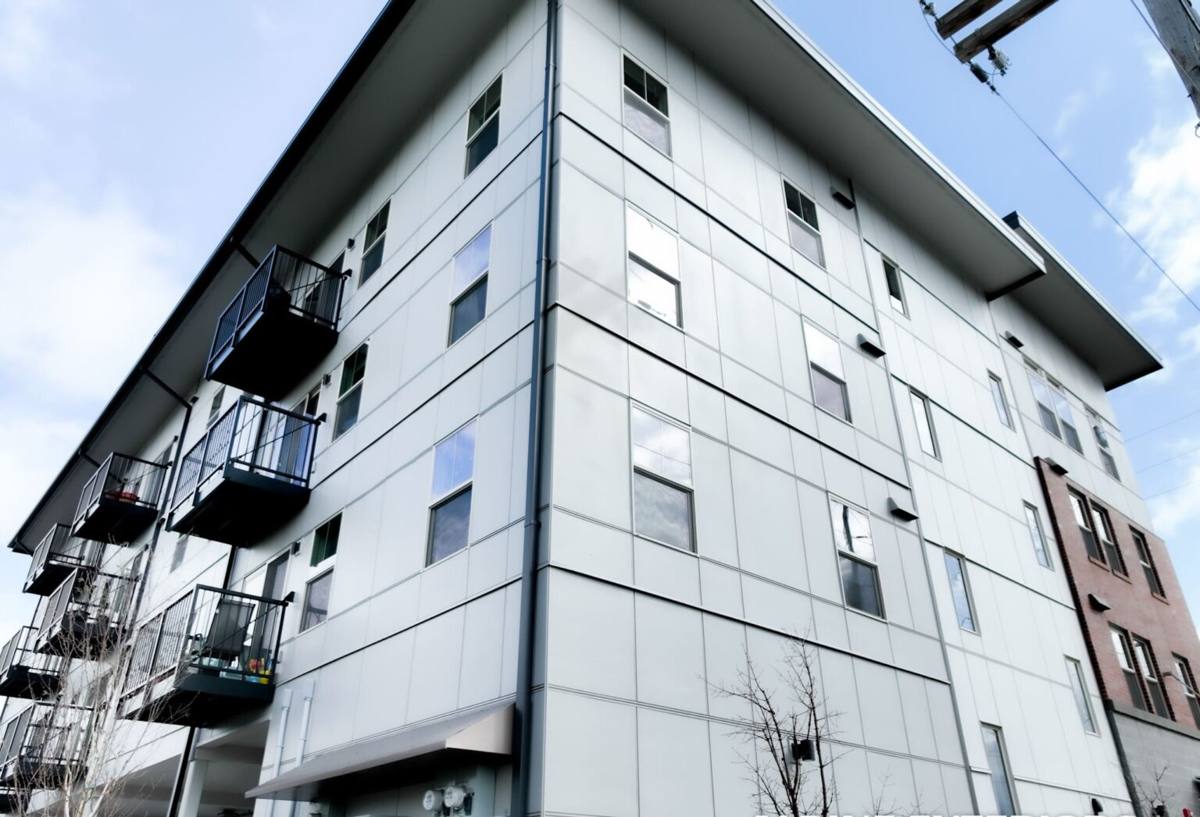
What Semiahmoo's Climate Does to Windows Over Time
Every region has its own failure pattern, and ours is fairly consistent once you've seen enough of it.
Salt Air and Metal Fatigue
Even a few miles from open water, salt-laden air corrodes exposed fasteners, weakens weep systems, and accelerates the breakdown of cheaper aluminum components. On older aluminum-frame windows, this shows up as pitting, stuck balances, and hardware that seizes years ahead of schedule.
Driving Rain and Wind-Driven Water
Rain here rarely falls straight down. Wind pushes it sideways against west- and south-facing walls, which means water gets tested against flashing details and sill pans far more aggressively than in calmer climates. A window that would perform fine somewhere drier can leak here simply because the original install skipped a proper sill pan or relied on caulk alone to do a flashing membrane's job.
Moss, Shade, and Slow-Drying Trim
Wiser Lake's tree cover keeps a lot of homes shaded for much of the year, which is good for the roof but bad for window trim and sills — surfaces that stay damp longer take on moss and mildew, and wood trim that never fully dries is wood trim that's slowly rotting from the surface in.
Signs a Window Needs Attention Before It Becomes a Bigger Repair
- Fogging or a visible haze between panes — the seal has failed and the insulating gas is gone
- Soft, spongy, or discolored wood at the sill or bottom corners of the frame
- Windows that are noticeably harder to open, close, or lock than they used to be
- Visible daylight or a draft at the frame edge when the window is fully closed
- Paint that keeps bubbling or peeling at the same spot no matter how often it's redone
- Moss or dark streaking on the sill or trim that returns within a season of cleaning
- Condensation collecting on the inside of the glass regularly, even in mild weather
Any one of these on its own isn't an emergency. Several together, especially combined with visible wood damage, usually means water has been getting behind the window for a while.
What a Correct Window Installation Actually Involves
Swapping out an old window for a new one sounds simple, and the window itself is the easy part. What actually determines whether it lasts is everything around it.
Removing the Old Window Without Guessing
We pull the old unit and inspect the rough opening before anything new goes in. This is the point where hidden rot, past water intrusion, or framing damage gets found — and it needs to be dealt with now, not covered up and left for the next owner to discover.
Sill Pan and Flashing, in the Right Order
A sloped sill pan gives any water that does get past the window a way out instead of a place to pool. Flashing tape gets layered shingle-style — house wrap over the top flange, side flashing lapped correctly, and the sill pan lapped under the sides — so water always sheds downward and outward, never into the wall cavity. This sequencing is the single biggest factor in whether a window leaks five years from now, and it's also the step that gets rushed or skipped on cut-rate jobs.
Setting, Shimming, and Sealing
The window gets shimmed level and plumb, fastened per the manufacturer's schedule (not just wherever's convenient), and insulated around the frame with low-expansion foam so it doesn't bow the jambs. Exterior sealant goes on last, and only where it belongs — sealant is a backup to good flashing, not a substitute for it.
Interior and Exterior Finish Work
Trim gets reinstalled or replaced, gaps get caulked, and paint or stain gets touched up so the finished window looks like it was never disturbed. On the exterior, we make sure siding and trim tie back in cleanly against the salt air and rain this area gets, since a poor trim seal here is often where the next leak starts.
Choosing the Right Frame Material for This Area
There's no single "best" window material — it depends on budget, maintenance tolerance, and how exposed the window is to weather. Here's how the common options hold up in a marine, moss-prone climate like ours.
| Material | Moisture Performance | Maintenance | Typical Lifespan |
|---|---|---|---|
| Vinyl | Won't rot; performs well if properly flashed | Low — occasional cleaning | 20–30 years |
| Fiberglass | Excellent — very stable, resists warping | Low | 30–40 years |
| Aluminum | Prone to condensation and corrosion near salt air unless thermally broken | Moderate — watch hardware and fasteners | 20–30 years |
| Wood (clad exterior) | Good if the cladding is intact; interior wood needs the exterior sealed well | Higher — cladding seams and any exposed wood need monitoring | 20–30+ years with upkeep |
For most Wiser Lake homes, vinyl and fiberglass are the lower-maintenance choices given the rain and moss exposure. Wood-clad windows still work well and suit certain home styles, but we're honest with clients that they come with more upkeep in this climate, not less — that's a trade-off to make with eyes open, not a reason to avoid them outright.
Our Process for a Wiser Lake Window Job
- On-site assessment. We look at every window in question, check for existing water damage or rot, and measure accurately — no guessing from photos.
- Straightforward estimate. You get a clear breakdown of materials, labor, and any framing repair the assessment turned up, before any work starts.
- Ordering and scheduling. Custom sizes take lead time; we give you a realistic window (no pun intended) for when materials arrive and installation begins.
- Installation. Old windows out, opening inspected and repaired as needed, sill pan and flashing done in the correct order, new window set, sealed, and trimmed.
- Walkthrough and cleanup. We check operation on every window, clean up the work area, and walk through the finished job with you before we call it done.
Energy Performance in a Marine Climate
Whatcom County doesn't hit extreme temperatures often, but the constant damp and steady wind mean drafts and poor seals cost more in comfort and heating bills than people expect. Double-pane windows with a low-E coating and an argon fill are the practical standard here — they cut down on both heat loss and the condensation that fogs up glass on cold, wet mornings. We'll talk through glass package options as part of the estimate, matched to your budget rather than upselling the most expensive glass available.
What to Ask Before Hiring Anyone for Window Work
- Do they inspect and repair rot or framing damage as part of the job, or just install over it?
- Do they use a sloped sill pan and proper flashing sequence, or rely mainly on caulk?
- Are they licensed and insured to work in Washington, and will they show proof without hesitation?
- Do they give a written estimate that itemizes materials and labor separately?
- Have they worked on homes in this specific area, and do they understand the salt air and moss exposure here?
- What's the warranty on both the window unit and the installation labor — and is that in writing?
A crew that's used to Semiahmoo-area conditions will bring up flashing, drainage, and material choice on their own, without you having to ask. That's usually the clearest sign you're talking to someone who understands what this climate does to a window over time, not just how to set one in an opening.
Keeping New Windows Performing Long-Term
Even a correctly installed window benefits from a little seasonal attention in this climate:
- Rinse sills and tracks periodically to keep moss and organic buildup from taking hold
- Check exterior caulk lines once a year for cracking or separation, especially after a hard winter
- Keep gutters and downspouts clear so water isn't sheeting down over window heads
- Trim back vegetation that keeps trim and sills shaded and slow to dry
- Operate locks and hardware periodically, even on windows you don't open often, so they don't seize up
None of this is heavy maintenance — it's the kind of five-minute check that catches a small problem while it's still small.
Get a Straightforward Estimate
If you're dealing with foggy panes, drafty frames, or sills that never quite look dry in Wiser Lake, we're happy to come take a look. The estimate is free, there's no pressure attached to it, and you'll get a clear picture of what your windows actually need — whether that's full replacement or something less involved. Use the form below to get started.