 Semiahmoo
 Sumas Windows and the Whatcom County Climate
Sumas sits at the north end of Whatcom County, tucked into the Nooksack River valley right against the Canadian border. It doesn't get the same shoreline exposure as the water-facing parts of Semiahmoo's service area, but it has its own version of the same problem: months of wet weather that finds every gap, every worn seal, and every window that was installed a little too casually.
Valley fog sits low here longer than it does in more open parts of the county, and that means extended periods where humidity stays high against glass and frames even when it isn't actively raining. Add in driving rain events that come through sideways during fall and winter storms, and a long moss and mildew season that keeps exterior surfaces damp for weeks at a stretch, and you've got a climate that's genuinely hard on windows — just not in the salt-air way that coastal Whatcom homes deal with. The failure points are different: condensation between panes, wood rot at sills that never fully dry out, and frames that swell and stick because they were never properly sealed against moisture in the first place.
Why This Matters for a Window Project
Any window installer can hang a window on a sunny day and have it look fine for a year or two. The real test in a place like Sumas is what happens after five winters of that valley damp working on the flashing, the sealant, and the wood trim around the opening. That's where corners cut during installation start to show — not as a broken pane, but as a soft sill, a foggy double-pane unit, or a window that no longer closes flush.
What a Correct Custom Window Installation Involves
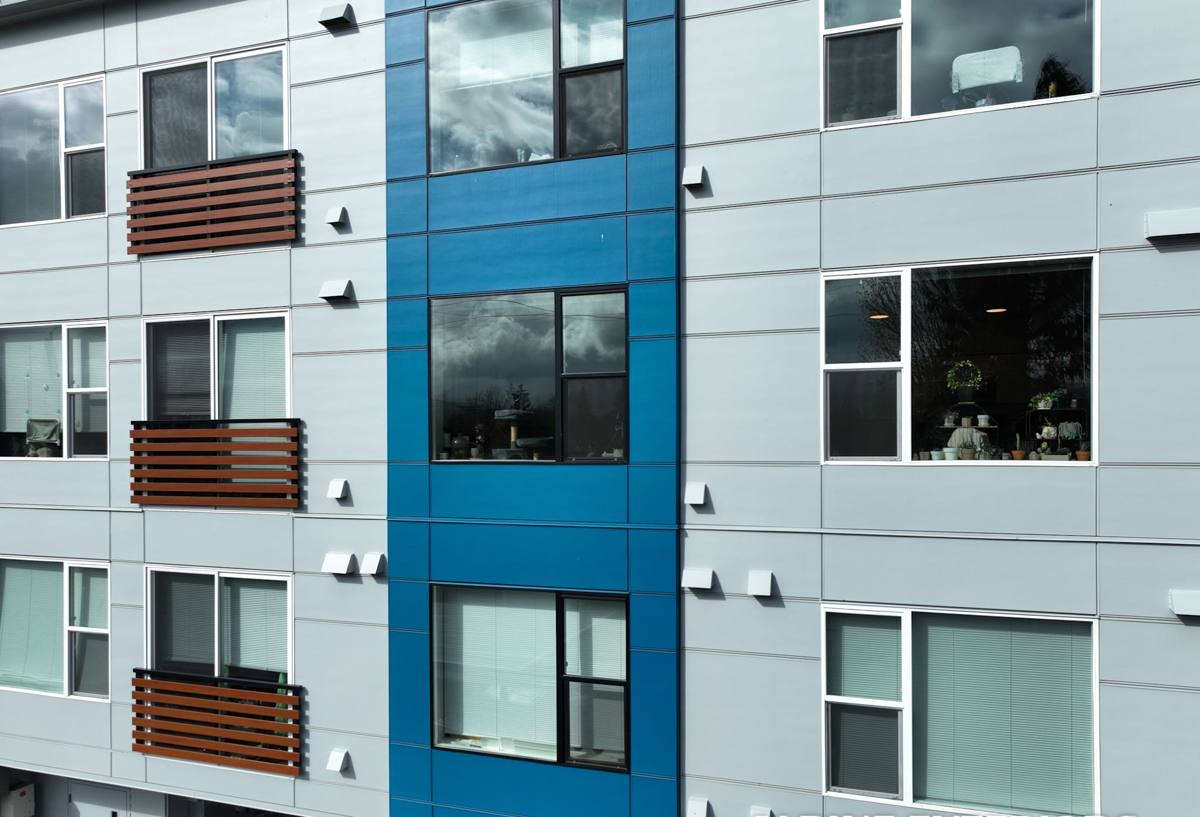
"Custom" windows means the unit is built to fit an exact opening rather than pulled off a shelf in a stock size — common in older Sumas homes where openings have settled or were never standard to begin with, and in additions or remodels where you're matching an unusual shape. But the fit of the window itself is only half the job. The other half is everything around it.
Flashing and Moisture Management
This is the part that determines whether a window lasts 10 years or 30 in this climate. Proper installation means integrating the window with a weather-resistive barrier so that any water that gets past the exterior trim is directed back out and away from the wall framing, not trapped behind it. A sloped sill pan, correctly lapped flashing tape, and a drainage path are non-negotiable here — they're also the details that get skipped when a job is rushed or bid too cheap.
Insulation and Air Sealing
The gap between a custom window frame and the rough opening needs to be filled with a material that stays flexible through temperature swings — not packed tight with rigid foam that can bow the frame, and not left with gaps that let cold valley air and moisture-laden drafts straight through. Done right, this is also where a chunk of the home's heating efficiency comes from in a cold, damp winter.
Glass Package
Double-pane, low-E glass is the standard expectation for this climate. In a valley that holds fog and humidity as long as Sumas does, the seal on that insulated glass unit matters as much as the glass itself — a failed seal is what causes the fogging-between-panes problem homeowners usually notice as "my window looks dirty and won't clean."
Signs Your Sumas Home's Windows Are Falling Behind
Most window failure is gradual, so it's worth checking your own home against a short list rather than waiting for something to break outright.
- Fog or moisture trapped between the panes of a double-pane window (a failed seal, not a cleaning issue)
- Soft, spongy, or visibly darkened wood at the sill or lower corners of the frame
- Windows that stick, won't latch fully, or have started to warp out of square
- Visible daylight or a draft you can feel at the frame edge when it's windy
- Moss, algae, or black mildew streaking on the exterior trim around the window, even after cleaning
- Condensation forming on the inside of the glass regularly through fall and winter
- Paint or caulk around the frame that's cracked, peeling, or missing in sections
Frame Material Options and Trade-offs
There's no single "best" material for every home — it depends on the home's age, your budget, and how much upkeep you want to take on. Here's how the common options actually compare for a wet valley climate like Sumas.
| Material | Moisture Behavior | Maintenance | Typical Fit |
|---|---|---|---|
| Vinyl | Won't rot; handles damp cycles well | Low — occasional cleaning | Most replacement projects; budget-conscious remodels |
| Fiberglass | Very stable through wet/dry and hot/cold swings | Low | Larger custom openings, higher-end remodels |
| Wood-clad | Interior wood needs protection from interior condensation; exterior clad handles rain well | Moderate — watch interior sills | Historic-style or high-end homes wanting a wood look inside |
| Aluminum | Conducts cold, prone to interior condensation in a damp climate | Low, but condensation risk is a real trade-off | Limited use here; we're honest with clients about this trade-off before recommending it |
We don't push one material on every job. What we do insist on, regardless of what you choose, is correct flashing and sealing — a premium frame installed poorly will still fail early in this climate, and a modest vinyl frame installed correctly will outlast it.
Our Process, From Estimate to Final Walkthrough
- On-site assessment. We look at the existing openings, check for hidden rot or moisture damage around current windows, and measure for true custom fit rather than assuming standard sizes.
- Honest scope and quote. You get a written breakdown of materials, labor, and any framing repair the assessment turned up — no surprise add-ons once work starts.
- Removal and opening prep. Old units come out carefully, and we inspect and repair the framing and sheathing underneath before anything new goes in. This step is where hidden problems from years of moisture exposure get caught.
- Flashing and installation. Sill pan, weather barrier integration, and the new window are installed to manufacturer spec and to the standard this climate actually requires.
- Insulation, trim, and sealing. Interior and exterior trim goes back on, gaps are properly insulated, and all sealant joints are finished.
- Final walkthrough. We check operation, look at every seal from outside and in, and make sure you know what routine maintenance (if any) that material needs.
Cost Factors for a Custom Window Project in Sumas
Every project is different, so we won't quote numbers here that don't reflect your actual home — but these are the variables that move the price up or down.
| Factor | Effect on Cost |
|---|---|
| Number of windows and how non-standard the openings are | Truly custom sizes cost more than near-standard sizes |
| Frame material chosen | Vinyl is the entry point; fiberglass and wood-clad run higher |
| Hidden rot or framing damage found during removal | Adds repair cost, but skipping this repair is what causes early failure |
| Glass package (standard low-E vs. upgraded coatings/gas fill) | Modest upgrade in cost for better performance in a cold, damp climate |
| Story height and access | Second-story or hard-to-access windows take more labor time |
Why a Crew That Already Works Sumas Matters
A window installer who mostly works drier, more sheltered parts of the region can still do a technically fine install and still get surprised by how this valley behaves — fog that lingers into the afternoon, ground moisture that keeps sills damp longer than expected, moss growth patterns that are different from what they're used to elsewhere in the county. A crew that's done this work in Sumas and the surrounding Whatcom County valley repeatedly knows which details to over-build rather than build to the minimum, because they've seen what happens to the ones that were built to the minimum five winters later.
That local track record also means straightforward answers when you ask why we're recommending a particular flashing detail or frame material for your specific home, instead of a generic answer that could apply anywhere.
Maintaining New Windows Through Whatcom County Winters
A correctly installed window in this climate still benefits from basic upkeep:
- Rinse exterior frames and trim periodically during moss season to slow buildup before it stains or holds moisture against the frame
- Check and refresh exterior caulk lines every year or two — this is cheap insurance against water intrusion
- Wipe down interior sills if you notice condensation building up during cold snaps, and improve room ventilation if it's a recurring issue
- Keep gutters and downspouts clear so runoff isn't sheeting directly down over window heads
If you're weighing whether to repair, reseal, or fully replace the windows on a Sumas home, we're happy to take a look and give you a straight answer — including telling you if replacement isn't actually necessary yet. Reach out for a free, no-pressure estimate using the form below.