 Semiahmoo
 Siding Repair Built for Blaine's Coastline
Blaine sits right where the Salish Sea meets Whatcom County's rain-heavy weather pattern, and that combination is harder on exterior siding than most homeowners realize until they're standing at the base of a ladder looking at a soft, discolored panel. Salt-laden air off the water accelerates corrosion on fasteners and trim, wind-driven rain finds every gap in a compromised siding system, and the long gray stretch of fall through spring gives moss and algae months to take hold on anything that stays damp. Siding repair here isn't just about patching a hole — it's about understanding why that section failed in the first place and making sure the fix doesn't fail the same way again.
We work in the Semiahmoo and Blaine area regularly, which means we're not guessing at how local weather treats siding — we're looking at the same wind exposure, the same moisture patterns, and the same aging siding stock house after house.
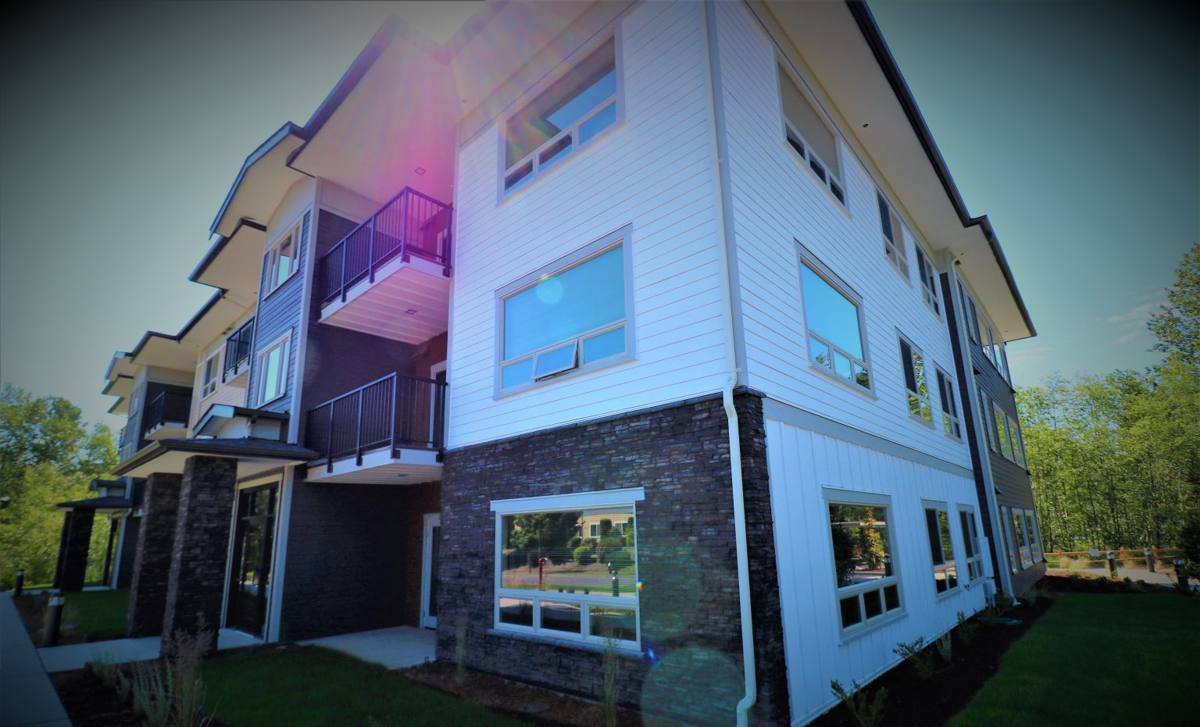
What Blaine's Climate Actually Does to Siding
Salt air and coastal wind
Homes closer to the water take a slow, steady beating from salt-laden air. It doesn't announce itself the way a storm does — instead it works quietly on fasteners, flashing, and any exposed metal trim, corroding them faster than the same materials would age a few miles inland. Corroded fasteners loosen panels, and loose panels let water behind the siding, which is where real damage starts.
Driving rain
Whatcom County gets a lot of rain, and a good share of it doesn't fall straight down — it comes in sideways during winter wind events. Siding that's slightly out of plane, has a failed caulk joint, or has gaps at trim and penetrations will take on water during these events even if it looks fine on a calm, dry day. That's why a siding inspection done on a nice afternoon can miss problems that only show up during a real storm.
Moss and prolonged dampness
The region's long wet season means siding surfaces — especially north-facing walls, shaded areas, and anywhere water doesn't drain or dry quickly — stay damp for extended stretches. Moss and algae take hold in those conditions, and once established they hold moisture against the siding surface, which speeds up whatever deterioration is already underway underneath.
Signs a Blaine Home Needs Siding Repair
Some damage is obvious. A lot of it isn't, especially from ground level. Here's what we look for, and what homeowners should watch for between inspections:
- Soft or spongy spots when you press on a panel — usually a sign of moisture damage underneath
- Visible cracking, splitting, or panels that have pulled away from the wall
- Persistent moss or algae growth that keeps coming back after cleaning
- Streaking or staining below seams, trim, or window heads — often a sign water is tracking somewhere it shouldn't
- Bubbling, peeling, or chalky paint film, which can mean moisture is trying to escape through the finish
- Rusted or visibly corroded fasteners and metal flashing
- Gaps or separation at corners, trim boards, and window and door casings
- A musty smell or visible mold near an exterior wall on the interior side
Any one of these on its own might be minor. Several together, especially on a wall that faces prevailing wind and rain, usually means there's a moisture problem working its way through the wall assembly and it's worth a closer look before it spreads.
What a Correct Repair Actually Involves
A siding repair that's done right isn't just swapping a damaged board for a new one and calling it finished. The panel is usually the visible symptom, not the whole story. Our process on a repair call typically includes:
1. Diagnose before you patch
We pull back the damaged section far enough to see what's underneath — house wrap, flashing, sheathing. If water has been getting behind the siding, the housewrap or flashing detail is usually the reason, and replacing the siding without fixing that detail just sets up the same failure again in a few years.
2. Check for hidden damage
Wet sheathing, soft framing, or mold growth behind a damaged panel changes the scope of the job. We'd rather tell a homeowner honestly that a repair has turned into something bigger than patch over a problem that's going to cost more to fix later.
3. Correct the water path, not just the symptom
That might mean re-flashing a window head, correcting a caulk joint, adjusting a kickout flashing at a roofline, or re-lapping housewrap properly before any new siding goes back on. Skipping this step is the single biggest reason siding "repairs" fail again within a couple of years.
4. Match materials and finish
New siding should match the existing panel profile, exposure, and finish as closely as possible. On homes with factory-finished siding, this is where product choice matters — more on that below.
5. Reinstall to spec
Proper fastener spacing, correct clearances from grade and roofing, and sealed penetrations aren't optional details — they're what keeps the repaired section performing as long as the rest of the wall.
Repair or Replace? How We Help You Decide
Not every damaged section needs a full re-side, and not every "small" repair is actually small once you're inside the wall. We give homeowners a straight answer based on what we find, not on what's easiest to sell.
| Situation | Repair usually makes sense | Full replacement is usually smarter |
|---|---|---|
| Damage extent | Isolated to one or two wall sections | Recurring failures across multiple walls |
| Underlying material | Framing and sheathing are sound | Rot or moisture has spread into sheathing/framing |
| Siding age | Siding is under 10-15 years old and otherwise sound | Siding is near or past its expected service life |
| Material match | Existing product is still available and matchable | Product is discontinued or has faded unevenly |
| Root cause | A single, fixable water-entry point | Systemic issues — poor original install, wrong product for the exposure |
A lot of Blaine homes we see fall into a middle category: the siding itself is fine, but one exposed wall — usually facing the water or prevailing wind — is taking damage the rest of the house isn't. In those cases, targeted repair on that wall, done correctly, is the right call. We'll tell you when that's true, and we'll tell you when it isn't.
Why We Repair With James Hardie, Not Whatever's Cheapest
We install and repair with James Hardie fiber cement exclusively — we don't install vinyl, LP SmartSide, primed wood, or other fiber cement brands. For repair work, that standard matters in a couple of specific ways.
First, fiber cement doesn't absorb and swell with moisture the way wood-based products can, which matters directly given how much of the year Blaine siding stays damp. Second, Hardie's ColorPlus factory finish is baked on and engineered to hold color and resist the kind of UV and moisture cycling coastal exposure puts it through — a repaired section finished this way ages at the same rate as the surrounding wall instead of standing out or failing early. Third, Hardie's HZ5 product line is engineered specifically for wetter, harsher climates, which is the right specification for homes with direct wind and rain exposure off the water.
If your home currently has vinyl, LP SmartSide, or another product, we'll still assess the damage honestly and tell you what we find. But if a repair is extensive enough that full-wall or full-home replacement is the smarter long-term call, we'll walk you through why Hardie is what we'd put on instead — and why we don't cut corners with a cheaper stopgap that's likely to bring you back to the same wall in a few years.
Why a Local Blaine/Semiahmoo Crew Matters
Siding repair is one of those jobs where local experience actually changes the outcome, not just the convenience. A crew that regularly works the Blaine and Semiahmoo area already knows:
- Which wall orientations in this area take the worst wind-driven rain, and where to look first for hidden moisture damage
- How fast moss and algae come back on shaded, north-facing walls here, and what upkeep actually slows it down
- What fastener and flashing materials hold up against sustained salt air exposure versus what corrodes in a few seasons
- Realistic weather windows for scheduling — coastal Whatcom County weather doesn't always match a general forecast for the wider region
That local pattern recognition is the difference between a repair that addresses the actual cause and one that just replaces the visible board and waits for the next callback.
What Drives the Cost of a Siding Repair
We don't post fixed repair prices because the range genuinely depends on what we find once we open up the damaged area — but these are the factors that move the number up or down:
| Factor | Why it matters |
|---|---|
| Extent of hidden moisture damage | Wet sheathing or framing adds carpentry work beyond the siding itself |
| Number and location of affected sections | Multiple walls or hard-to-access areas take more time than one ground-level panel |
| Flashing and water-management corrections | Fixing the actual cause (not just the symptom) is part of doing the job right |
| Material matching | Matching an older siding profile or faded finish can add sourcing time |
| Access and site conditions | Height, roofline complexity, and staging affect labor time |
We give a firm, written scope after inspection — not a guess from a driveway conversation — so you know exactly what you're paying for before work starts.
Keeping Repaired Siding Performing Long-Term
A good repair should outlast a quick patch by years, but a little homeowner upkeep extends that further, especially in this climate:
- Rinse siding periodically to clear salt residue and organic buildup before it stains or feeds moss
- Keep gutters clear so overflow doesn't run directly down a wall section
- Trim back vegetation that keeps a wall shaded and damp longer than it needs to be
- Recaulk trim and penetration joints as part of routine maintenance — caulk fails well before siding does
- Have any new staining, soft spots, or recurring moss checked promptly rather than waiting for it to spread
Get an Honest Assessment
If you're seeing soft spots, staining, recurring moss, or a section of siding that just doesn't look right on your Blaine home, it's worth having someone look at it before the next wet season makes it worse. We'll give you a straightforward, no-pressure estimate — what we find, what it actually needs, and what it would cost to fix it right. Fill out the form below to schedule a free assessment.