 Semiahmoo
 Composite Decking Built for California Creek's Weather
California Creek sits close to the water, and that proximity to Semiahmoo Bay shapes everything about how an outdoor deck holds up here. Salt-laden air moves off the bay, driving rain comes in sideways more often than straight down, and the shaded, damp stretches of Whatcom County give moss and algae a long season to work with. A deck built for a drier inland climate simply doesn't last the same way out here. Composite decking, installed correctly for this specific setting, is one of the few products that stands up to all three of those pressures at once without demanding constant upkeep from the homeowner.
This page is about composite decking specifically for California Creek properties — what the local climate actually does to a deck, what a correct installation looks like in this environment, and why the details matter more here than they would somewhere fifty miles inland.
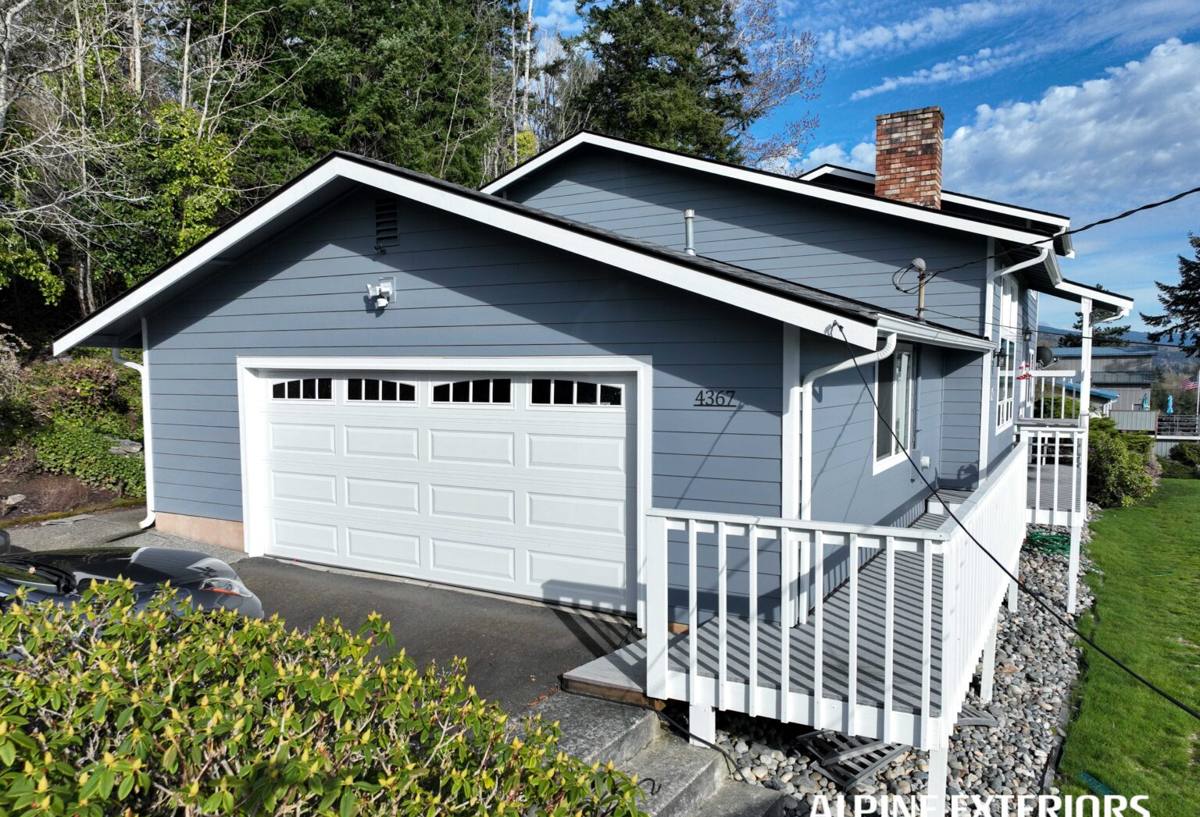
What the Climate Actually Does to a Deck Here
Salt Air
Homes near Semiahmoo Bay deal with airborne salt even when they're not right on the waterfront. Salt accelerates corrosion in exposed metal — fasteners, brackets, railing hardware — and it can dull or discolor lower-quality finishes over time. It doesn't damage composite decking boards the way it damages bare wood or untreated metal, but it does mean every metal component in the build needs to be chosen with that exposure in mind.
Driving Rain
Rain that comes in at an angle finds its way into joints, fastener heads, and ledger connections that would stay dry in a calmer climate. Over a full Whatcom County winter, that adds up. Any weak point in the water management of a deck — a poorly flashed ledger board, boards installed too tight together, inadequate slope — becomes a real problem faster here than in drier parts of the state.
Moss and Algae Season
Shade, moisture, and cool temperatures for much of the year make California Creek a place where moss and algae get a genuine foothold on horizontal surfaces. Wood decking needs regular cleaning, brightening, and re-sealing to keep this in check. Composite boards resist it far better, but "resist" doesn't mean "immune" — airflow underneath the deck and reasonable drainage still matter for keeping surfaces dry enough that growth can't establish.
Why Composite Decking Fits This Setting
Composite decking is a blend of wood fiber and plastic, usually finished with a protective cap layer. That combination gives it a few real advantages for a property like this:
- It doesn't absorb water the way solid wood does, so it doesn't swell, cup, or split from repeated wet-dry cycles.
- It doesn't need annual staining or sealing — a real consideration when driving rain limits the number of dry days available for that kind of maintenance work.
- The cap layer resists mold and algae growth better than bare wood fiber, which matters through a long moss season.
- It won't rot, splinter, or attract wood-boring insects, which are ongoing concerns for untreated or under-maintained wood decks in damp climates.
None of that means composite is maintenance-free or that installation quality stops mattering — it still needs to be built on a properly framed, well-drained substructure with the right fasteners for a salt-air environment. But it removes the constant battle against moisture absorption that wood decking puts on homeowners here.
What a Correct Composite Deck Installation Involves
Framing and Substructure
The boards get the attention, but the framing underneath determines how long the whole deck lasts. In a wet climate, joists and beams need proper spacing for the specific composite product being used (composite typically needs tighter joist spacing than wood, especially on angled or picture-frame layouts), joist tape or another moisture barrier on top of the framing, and enough slope built in that water actually sheds off instead of pooling.
Fasteners and Hardware
Given the salt air off the bay, we don't treat fastener choice as an afterthought. Stainless steel or coated fasteners rated for coastal exposure cost more than standard hardware, but standard hardware corrodes faster here than it would inland — and a corroding fastener under a composite board is a hidden problem you won't see until it's already caused staining or a loose board.
Airflow and Drainage Underneath
A deck built low to the ground, or one with poor under-deck ventilation, traps moisture underneath — which is exactly the condition moss and mildew need. Correct installation leaves enough clearance and airflow beneath the deck surface so it can actually dry out between rain events, not just on the surface but underneath as well.
Flashing at the Ledger Board
Where a deck attaches to the house, the ledger board connection is the single most common source of hidden water damage on any deck, in any climate. In an area with regular driving rain, proper flashing here isn't optional — it's the difference between a deck that protects the structure behind it and one that slowly lets water into the rim joist and wall framing over several seasons.
Composite vs. Wood vs. PVC Decking
Homeowners in California Creek usually narrow the decision down to these three options. Here's an honest comparison based on how each performs in this specific climate:
| Factor | Pressure-Treated Wood | Composite | PVC (Cellular Vinyl) |
|---|---|---|---|
| Upfront cost | Lowest | Mid-range | Highest |
| Moisture behavior | Absorbs water; swells, cups, splits over time | Resists absorption; stable in wet cycles | Fully water-resistant; won't absorb at all |
| Moss/algae resistance | Poor without regular cleaning and sealing | Good, especially capped boards | Very good |
| Annual maintenance | Staining/sealing, cleaning, inspection for rot | Occasional washing | Occasional washing |
| Typical lifespan here | 10–15 years with upkeep | 25–30 years | 25–30+ years |
| Feel underfoot | Natural wood texture | Wood-like, some flex | Firmer, more plastic feel |
Wood costs less to install but asks for the most ongoing work in a climate that isn't forgiving of skipped maintenance. PVC handles moisture the best of all three but costs more and can feel less like traditional decking underfoot. For most California Creek homeowners, composite lands in the middle — a real upfront investment that removes the recurring maintenance burden wood demands, without the premium price of full PVC.
Our Process
- On-site assessment. We look at drainage, sun/shade exposure, ledger board condition if replacing an existing deck, and how close the site sits to prevailing wind and rain direction.
- Framing plan. We spec joist spacing, beam sizing, and slope to match the composite product and the site conditions — not a generic layout.
- Moisture protection first. Joist tape, proper ledger flashing, and drainage details go in before a single deck board is placed.
- Fastening system. Coastal-rated hardware and hidden fastener systems suited to the board profile, installed to spec so boards can expand and contract without buckling.
- Final walkthrough. We check board gaps, railing security, stair details, and drainage under load before calling the job done.
Keeping a Composite Deck Looking Good Year-Round
Composite decking cuts down maintenance significantly, but "low-maintenance" in a California Creek climate still means a little seasonal attention:
- Sweep or hose off debris regularly — wet leaves and needles left sitting are the fastest way to give moss a starting point.
- Wash the deck surface a couple of times a year with a soft-bristle brush and mild soap; avoid pressure washing directly into board seams.
- Keep gutters and downspouts near the deck clear so runoff isn't dumping extra water onto the surface.
- Check under-deck airflow paths (skirting vents, gaps) periodically to make sure nothing has blocked them.
- Inspect railing posts and stair connections once a year for any looseness — a sign worth catching early in a wet, salt-air climate.
Permits and Site Realities Near the Creek
Properties near California Creek and the surrounding low-lying areas can involve site considerations that a purely inland Whatcom County lot wouldn't — setback requirements, drainage planning, and sometimes permitting specifics tied to proximity to the waterway. We handle the local permitting process as part of the job rather than leaving homeowners to sort it out, and we plan drainage so the new deck doesn't create runoff problems for the yard or the creek corridor nearby.
Why Local Experience in California Creek Matters
A composite deck built for a dry inland town and one built for a home exposed to Semiahmoo Bay's salt air and driving rain shouldn't be built the same way, even if the board on top is identical. A crew that already works this specific area knows which fastener grades hold up here, how much slope and airflow a particular lot actually needs given its shade and drainage pattern, and where the ledger and flashing details tend to get overlooked by contractors who don't build here regularly. That local familiarity shows up years later — in a deck that's still tight, dry underneath, and free of the moss and staining problems that show up on decks built without the local climate in mind.
If you're planning a new composite deck or replacing an aging wood deck in California Creek, we're glad to take a look and talk through what your specific site needs. Reach out for a free, no-pressure estimate using the form below.