 Semiahmoo
 Why Decks in Lynden Wear Out Faster Than Homeowners Expect
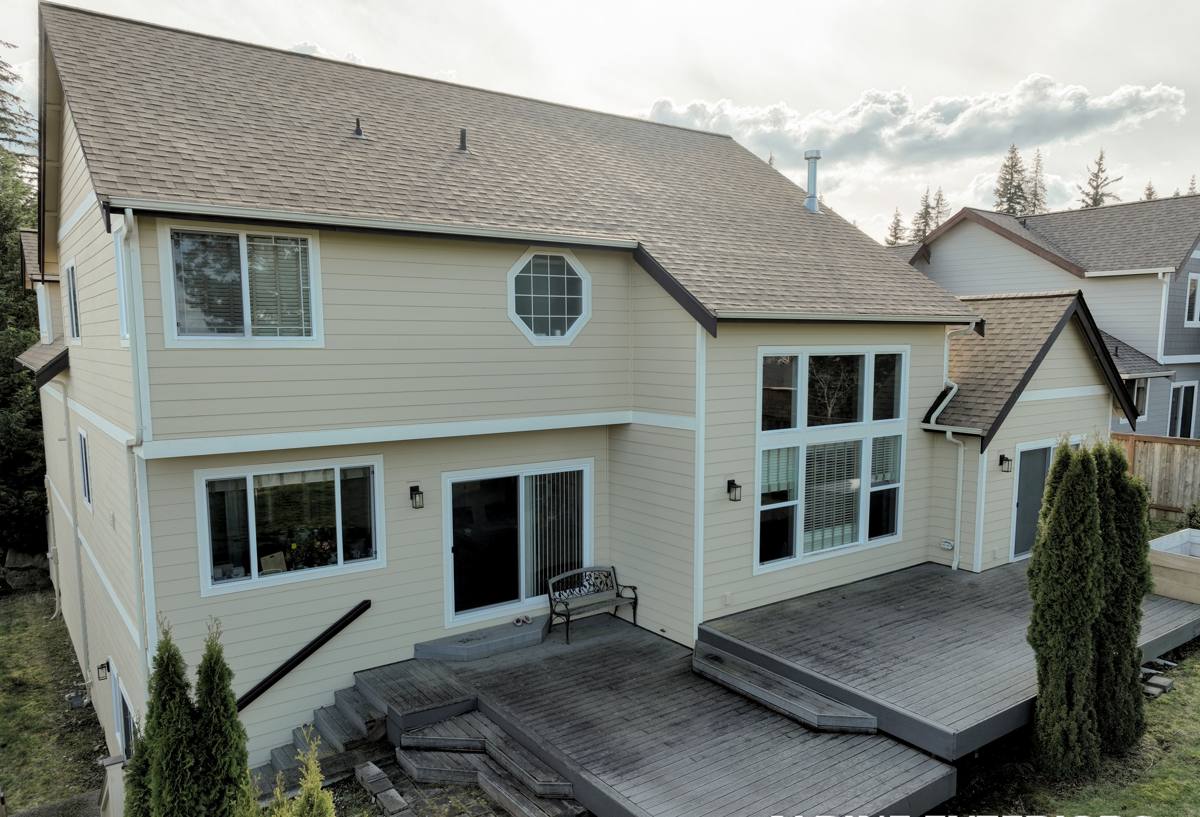
Lynden sits inland from the water compared to the rest of our Whatcom County service area, but that doesn't spare it from the wear pattern we see on almost every aging deck in this part of the state. The combination of long, wet winters, heavy driving rain that comes in sideways during a storm, and a moss and algae season that can stretch from October into May does real damage to lumber, fasteners, and framing over time. Add in the humidity that settles over the Nooksack Valley on overcast mornings, and you've got conditions that push moisture into a deck's structure faster than most homeowners realize — often well before the surface boards show obvious signs of trouble.
A deck that looks fine from the top can be quietly failing underneath. Ledger boards, joists, and support posts are usually the first parts to go, because they trap moisture against wood and don't dry out between rain events the way an open deck surface does. By the time boards are visibly cupping or soft, the structure underneath has often been compromised for a season or two already.
Signs a Lynden Deck Needs Replacement, Not Just Repair
Repair makes sense when the damage is limited and the frame is sound. Replacement is the honest answer when the structure itself has been compromised or when patch repairs would just be delaying the same failure. Here's what we look for during an inspection:
- Soft, spongy, or springy spots underfoot — usually rot in the joists or decking below the surface finish
- Fasteners that have rusted, backed out, or left dark staining streaks down the boards
- Persistent moss or algae growth that returns within weeks of cleaning, especially on the north or shaded side
- Gaps or movement where the ledger board meets the house — a common point of hidden water intrusion
- Posts or footings that shift, rock, or show visible cracking at ground contact
- Boards that have cupped, split, or checked deeply enough that sanding or refinishing won't restore them
- A railing that flexes noticeably when leaned on — a safety issue, not a cosmetic one
If you're only seeing one or two of these and the frame checks out, repair or partial board replacement is usually the right call. When several show up together, or when we find rot at the ledger or main support posts, replacement is almost always the more honest recommendation — and the more cost-effective one over a five- to ten-year horizon.
Why Patch Jobs Fail in This Climate
We get calls from homeowners who had a few boards swapped out a year or two earlier and are now dealing with the same soft spots again. In a climate with this much sustained moisture, replacing boards without addressing what's underneath — flashing, joist condition, drainage path — just buys a short delay before the same failure reappears, often in a new spot next to the old repair.
What a Correct Deck Replacement Actually Involves
A deck replacement done right is a structural project, not a cosmetic one. The decking boards are the part everyone sees, but the parts that determine whether the deck lasts are underneath.
Ledger Board and Flashing
Where the deck attaches to the house is the single most common failure point we find in this region. Water that gets behind an improperly flashed ledger board can rot both the deck framing and the house's rim joist behind it. Every replacement we do includes proper ledger flashing — a step often skipped or done poorly on older decks — to keep water moving away from the house rather than pooling against it.
Framing and Joist Spacing
We frame to current code span and spacing requirements, not to whatever the original builder used decades ago. This matters more than most homeowners expect: undersized or overspaced joists are a common reason older decks feel bouncy or develop soft spots well before the decking material itself is due for replacement.
Footings and Post Bases
Ground contact is where wood rot starts fastest in a climate this wet. We set posts on proper footings with post bases that keep the wood off standing water and out of direct soil contact, rather than burying posts directly or setting them on undersized pads that shift with the freeze-thaw cycles we get most winters.
Drainage and Slope
A deck surface needs a slight slope away from the house so rainwater sheds instead of pooling. It's a small detail that's easy to get wrong and expensive to ignore — standing water on a deck surface is what accelerates moss growth and speeds up wood deterioration, composite or not.
Choosing Decking Material for Whatcom County Conditions
There's no single "best" decking material — the right choice depends on your budget, how much maintenance you're willing to do, and how much shade and moisture your specific deck location deals with.
| Material | Moisture Behavior | Maintenance | Typical Lifespan Here |
|---|---|---|---|
| Pressure-treated wood | Resists rot when sealed, but absorbs moisture if finish is neglected | Annual cleaning and re-sealing recommended | 10–15 years |
| Cedar | Naturally moisture-resistant, but still needs finish maintenance | Cleaning and oiling every 1–2 years | 15–20 years |
| Composite decking | Won't rot, but can hold surface moisture and grow algae if not cleaned | Periodic washing, no sealing needed | 20–25+ years |
| PVC / capstock boards | Fully moisture-resistant, sheds water well | Occasional washing | 25+ years |
In our experience, composite and PVC products earn their higher upfront cost in a climate with this much sustained wet weather — they take the moss-and-algae maintenance burden off the homeowner and don't require the annual sealing that wood does. That said, plenty of homeowners in Lynden still prefer the look and feel of real wood, and a well-built, properly maintained wood deck holds up fine here too. We'll talk through the honest trade-offs for your situation rather than push one material across the board.
Our Deck Replacement Process
- On-site assessment. We inspect the existing deck top to bottom — surface, framing, ledger connection, and footings — to confirm replacement is the right call and identify any hidden issues like rim joist rot behind the ledger.
- Design and material walkthrough. We go over layout, railing style, and decking material options with real cost and maintenance trade-offs, not a sales pitch toward the most expensive option.
- Permitting. Deck replacements of most sizes require a permit through the local building jurisdiction. We handle that paperwork so you're not chasing it down yourself.
- Demolition and disposal. The old deck comes out, including any compromised framing and footings, and we haul debris off-site.
- Structural rebuild. New footings, posts, joists, and properly flashed ledger connection — built to current code, not just to match what was there before.
- Decking and railing installation. Boards and railing are installed with attention to drainage slope and fastener placement to avoid the early rust-staining issues common on older decks here.
- Final walkthrough. We go over the finished deck with you, including any maintenance recommendations specific to the material you chose.
Cost Factors for a Lynden Deck Replacement
Every deck is different, but the same handful of factors drive most of the cost swing between projects:
| Factor | Impact on Cost |
|---|---|
| Deck size and shape | Larger and multi-level decks require more material and labor hours |
| Decking material | Wood is the lower upfront cost; composite and PVC cost more up front but less over time |
| Height and footing depth | Elevated decks need deeper footings and more substantial framing |
| Railing style | Cable, glass, and custom railing systems cost more than standard baluster railing |
| Existing damage | Rot found at the ledger, rim joist, or footings adds repair scope beyond the deck itself |
| Access | Decks that are hard to reach with equipment or material can add labor time |
We'll give you a written estimate that breaks these out so you can see exactly where the cost is coming from, rather than a single lump number.
Permits and Local Considerations
Most deck replacements in Whatcom County require a building permit, particularly when framing, footings, or the ledger connection are being rebuilt rather than just resurfaced. We handle the permit process as part of the job so you don't have to navigate that on your own. If your property is on a septic system or has setback considerations near a property line, that's also something we'll flag during the initial assessment rather than after materials are ordered.
Why Hire a Crew That Already Works in Lynden
Building a deck that holds up here isn't about following a generic build guide — it's about accounting for how this specific climate treats lumber, fasteners, and framing over years of use. A crew that works Whatcom County regularly knows which failure points show up first in this weather — the ledger connection, the shaded north side where moss takes hold fastest, the post bases that sit in wetter soil after a heavy fall — and builds around them from the start instead of learning it after a callback. That local pattern recognition is the difference between a deck that needs attention again in three years and one that holds up for two decades.
Get an Honest Look at Your Deck
If your deck is showing soft spots, persistent moss, or just isn't holding up the way it used to, we're happy to take a look and give you a straight answer about whether repair or replacement makes sense. Reach out for a free, no-pressure estimate using the form below.