 Semiahmoo
 Building New in Peace Arch Means One Shot to Get the Windows Right
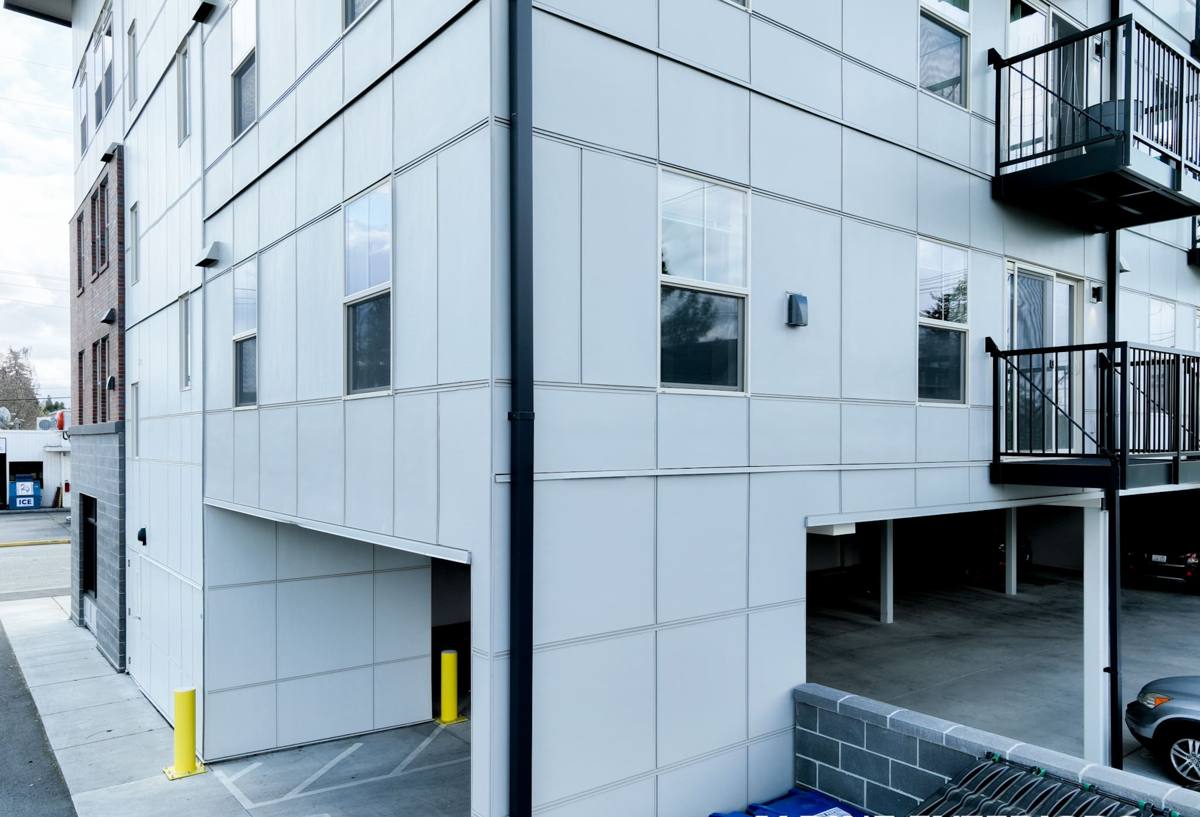
If you're framing a new home or a major addition in the Peace Arch area of Semiahmoo, the windows are one of the few components you genuinely only install once under ideal conditions. Once siding, trim, and interior finish go on around them, a bad flashing job or an undersized unit becomes a much bigger, messier repair. New-construction window work is different from swapping out an old window in an existing wall, and it's worth understanding why before your framer or window crew starts cutting rough openings.
Whatcom County's coastal edge near the border brings a specific mix of conditions — salt-laden air off the water, driving rain that comes in sideways more often than straight down, and long stretches of gray, damp weather that keep everything wet for months at a time. A window installed correctly in a dry inland climate can still fail here if the details aren't adjusted for what this area actually throws at a building.
Why New-Construction Windows Are a Different Job Than Replacement
"New-construction" isn't a marketing term — it describes a specific type of window with a nailing flange (also called a nail fin) built into the frame, designed to be installed into a rough opening before the siding goes on, with the flange integrated directly into the wall's water-resistive barrier. Replacement windows, by contrast, are typically installed into an existing frame from the interior or exterior without disturbing the surrounding wall assembly.
The Nailing Flange and the Water-Resistive Barrier
The flange is what ties the window into the building's drainage plane. Done correctly, water that gets behind the siding sheds down and over the flange, not behind it. Done poorly — flange stapled on top of house wrap instead of shingle-lapped into it, or caulk used in place of proper flashing tape — water gets trapped at the sill, which is exactly where you don't want standing moisture in a climate that's wet most of the year.
One Shot to Get It Right
With a replacement window, a mistake is often recoverable — you can pull the unit and try again without touching the siding. On a new build, the flashing, house wrap, and window installation happen in sequence as part of the wall assembly. If the sequence is wrong, fixing it later means cutting into finished exterior work. That's why we treat new-construction window installs as a coordination job between the window crew, whoever's doing the weather barrier, and the siding crew — not three separate trades working in isolation.
What Semiahmoo's Coastal Climate Demands From a Window Install
Peace Arch sits close enough to the water and the open exposure of the Strait of Georgia that homes here take on a different weather load than inland Whatcom County builds. A few things we plan around on every job in this area:
- Salt air corrosion: Fasteners, flashing metal, and hardware near the coast need to be rated for corrosion resistance — standard interior-grade screws and uncoated flashing degrade faster here than they would twenty miles inland.
- Driving, wind-blown rain: Storms off the water tend to push rain horizontally against west- and south-facing walls. That means sill pans, end-dam details, and head flashing matter more here than in a sheltered inland lot.
- Long moss and mold season: Extended damp periods mean any spot where water can pool or wick — a poorly lapped flange, a gap in the sill flashing — stays wet for weeks, not hours. That's enough time for rot to start in untreated wood framing around the opening.
- Wind exposure: Open lots near the water and border corridor can see stronger sustained wind than more sheltered residential streets, which affects both structural fastening and the air-seal around the window unit.
None of this means new-construction windows are harder to get right in Semiahmoo — it just means the margin for skipped steps is smaller than it would be in a drier, more sheltered climate.
Choosing the Right Window for a Coastal New Build
Frame material matters more here than in a lot of markets, mostly because of the combination of moisture and salt air. Here's how the common options stack up for a Peace Arch build:
| Frame Material | Coastal Performance | Maintenance | Typical Trade-Off |
|---|---|---|---|
| Vinyl | Good — won't corrode or rot, handles moisture well | Low | Less rigid over very large spans; color/style options more limited |
| Fiberglass | Very good — dimensionally stable, resists both moisture and salt exposure | Low | Higher upfront cost than vinyl |
| Wood-clad | Good if the cladding and flashing details are done right; the wood core is the risk factor | Moderate to high | Interior wood look, but the exterior clad joints need careful sealing near salt air |
| Aluminum | Fair — strong and slim sightlines, but bare aluminum can corrode near salt air without proper coating | Low to moderate | Poor thermal performance unless thermally broken |
We don't push one material on every job — the right call depends on your architectural style, budget, and how exposed the specific elevation is to weather. What we won't do is install a wood-frame window on a wide-open, wind-exposed wall without being upfront that it's a higher-maintenance choice in this climate. That's a judgment call we'll walk through with you before ordering, not something we decide for you.
The Flashing and Weatherproofing Sequence That Actually Keeps Water Out
This is the part of the job that determines whether a window performs for thirty years or starts leaking in five. On a new-construction opening, the sequence generally runs:
- Rough opening is checked for square, level, and correct sizing before anything else happens.
- A sloped sill pan is installed at the base of the opening so any water that gets in has somewhere to drain — out, not down into the wall.
- House wrap or weather-resistive barrier is cut and prepped around the opening in the correct order so later layers shingle over earlier ones.
- The window is set, leveled, and fastened through the nailing flange per the manufacturer's instructions — this is not a place to freehand it.
- Flashing tape is applied at the sides and head, lapped correctly so water sheds down and over each layer, never up and under.
- The head flashing goes on last, tying back into the house wrap above the opening.
- Interior and exterior gaps are sealed and, where called for, insulated — an air seal is not the same thing as a water seal, and both need attention.
Skip or reorder any of these steps and the window can look fine for years while water quietly works its way into the framing behind it. In a climate with this much sustained damp weather, that's not a small risk.
Our Process for New-Construction Window Installs in Peace Arch
We coordinate directly with your builder or general contractor rather than showing up as a disconnected sub. On a typical new-construction job:
- We review the rough openings against the window schedule before units are ordered, catching sizing issues while they're still cheap to fix.
- We confirm the weather barrier and flashing plan with whoever's doing the wrap, so there's no ambiguity about who's lapping what over what.
- We install using the sill-pan-first sequence above, with coastal-rated fasteners and flashing materials given the salt air exposure here.
- We document the install as we go — useful both for your builder's records and for any manufacturer warranty that requires proof of proper installation.
- We walk the openings with you or your GC before siding closes everything in, so there's a chance to catch anything before it's covered up.
Common Mistakes We See on New Builds in This Area
A lot of window problems on new construction trace back to a handful of repeatable errors, especially in a coastal climate like this one:
- Caulk used as a substitute for proper flashing tape at the flange — it fails faster and doesn't shed water the same way.
- House wrap lapped in the wrong order around the opening, so water gets funneled behind the barrier instead of over it.
- No sill pan, or a flat sill pan with no slope to drain incidental water back out.
- Standard fasteners used in a salt-air zone where corrosion-resistant hardware would hold up far longer.
- Window units ordered to the wrong size because rough openings weren't verified against the actual window schedule before ordering.
Checklist: What to Confirm Before Your Windows Get Closed In
Whether we're doing your install or you're vetting a crew, this is worth walking through before siding goes on:
- Is there a sloped sill pan at every opening, not just a flat surface?
- Is the house wrap lapped correctly — upper layers over lower layers — around each window?
- Is flashing tape used at flange edges, rather than caulk alone?
- Are fasteners and flashing metal rated for coastal/salt-air exposure?
- Has each rough opening been verified against the window schedule before units were ordered?
- Is there a plan to photograph or document flashing details before they're covered by siding?
If a contractor can't answer these clearly, that's worth pausing on before openings get closed in — this is the one point in the build where mistakes are still cheap to fix.
If you're building or adding on in Peace Arch and want windows installed the way this climate actually requires, we're happy to walk your plans and rough openings with you. Reach out for a free, no-pressure estimate using the form below.