 Semiahmoo
 Roofing for Marietta's Coastal Edge
Marietta sits close enough to the water that its roofs live a different life than roofs ten miles inland. Homes here take on salt-laden air off the bay, long stretches of driving rain through the fall and winter, and a moss season that can run most of the year in shaded, north-facing sections of a roof. A roof installed without those specifics in mind will look fine for a season or two, then start showing problems in exactly the spots you'd expect: valleys, north slopes, and anywhere wind-driven rain can get up under a shingle edge.
A correct new roof for this part of Whatcom County isn't a special product or a gimmick — it's ordinary materials installed with the right details for a marine climate. That means attention to fastener corrosion resistance, underlayment coverage, flashing at every penetration, and ventilation that actually moves air instead of just looking like it does on paper. Get those details right and a roof in Marietta performs the way it's supposed to. Skip them and you're re-doing work in five years that should have lasted twenty-five.
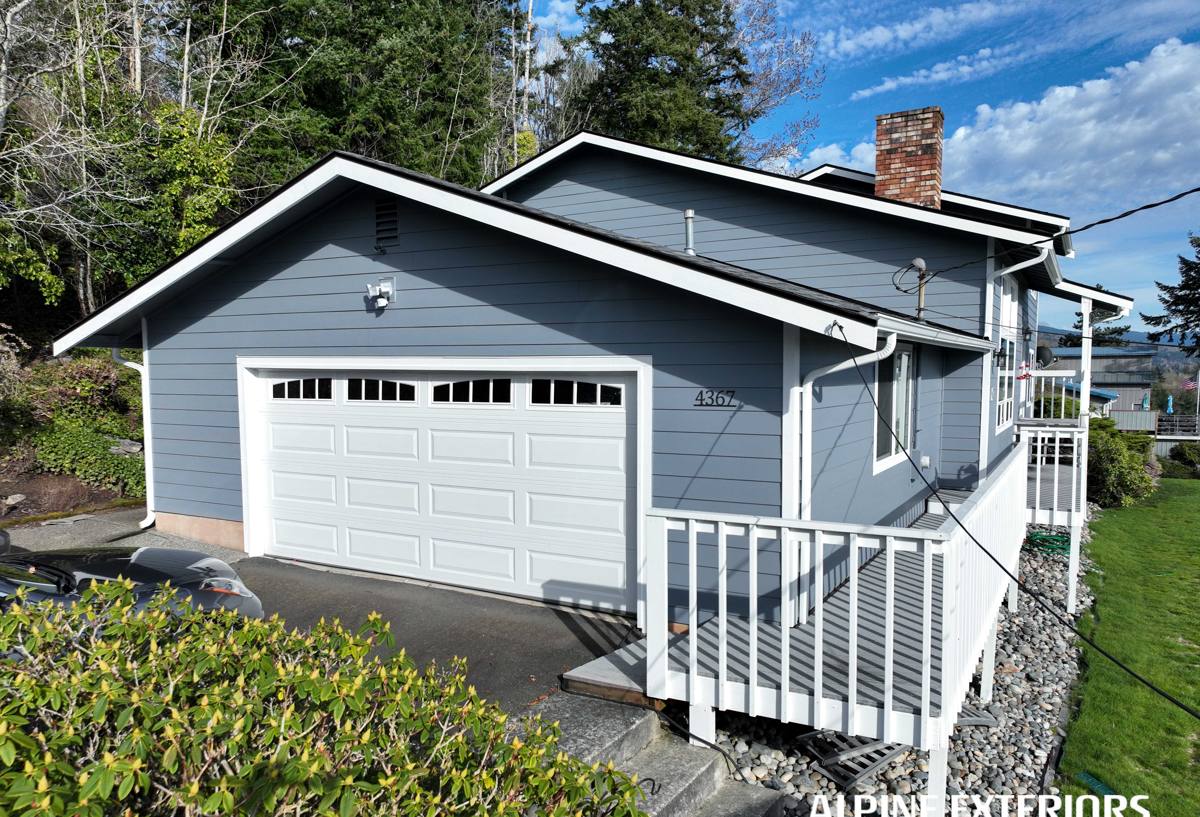
What Salt Air, Rain, and Moss Actually Do to a Roof
Salt Air and Corrosion
Airborne salt accelerates corrosion on anything metal — nail heads, flashing, valley metal, drip edge, even the fastener heads on a metal roof panel. Standard electro-galvanized fasteners that hold up fine in drier inland climates can start showing rust streaks within a few years this close to the water. It's a slow problem, which is exactly why it gets missed: nobody notices a fastener corroding until the streak shows up on the shingle below it, or worse, until the fastener loses its grip.
Driving Rain
Whatcom County doesn't just get a lot of rain — a good portion of it comes in sideways off winter storms. Wind-driven rain doesn't behave like rain falling straight down; it can work its way under shingle tabs, around chimney and skylight flashing, and into any gap in the underlayment that wouldn't matter in a calmer climate. This is why underlayment coverage and flashing detail work matter more here than the shingle brand printed on the wrapper.
Moss and Shade
North-facing slopes, roofs under tree cover, and anywhere shade keeps a surface damp longer than it should be are moss magnets. Moss holds moisture against the roofing material, works into shingle tabs, and over time lifts edges enough for water to get underneath. It's a maintenance issue as much as an installation one — but the installation choices you make (material, slope detailing, whether zinc or copper strips are worth adding) affect how much moss becomes a problem down the road.
What a Correct New Roof Installation Includes
A new roof is more than shingles nailed to plywood. Every layer does a job, and skipping or shortcutting one shows up later as a leak, a rot spot, or a warranty claim that gets denied because the installation didn't meet manufacturer spec.
- Full tear-off to bare decking — layering a new roof over an old one traps moisture and hides problems in the deck below.
- Deck inspection and repair — any soft, delaminated, or water-damaged sheathing gets replaced before anything new goes down.
- Ice and water shield at eaves, valleys, and around penetrations — the first line of defense where wind-driven rain concentrates.
- Synthetic underlayment across the full field, properly lapped, not just stapled down and hoped for.
- New flashing at every chimney, skylight, wall intersection, and vent — reused old flashing is a common shortcut that fails quietly.
- Balanced ventilation — intake at the soffits, exhaust at the ridge, sized to the attic so moisture actually moves out instead of condensing under the deck.
- Corrosion-resistant fasteners and metal appropriate for a marine-influenced climate.
- Final inspection of every flashing point, ridge, and edge before we call it finished.
Choosing the Right Roofing Material for Marietta
There's no single "best" roofing material — there's the best fit for your house, your budget, and your roof's exposure to sun, shade, and weather. Here's how the common options compare for a coastal Whatcom County home.
| Material | Typical Lifespan | How It Handles Salt Air & Moisture | Moss Resistance |
|---|---|---|---|
| Architectural asphalt shingle | 25–30 years | Good with proper flashing and ventilation; standard choice for most homes | Moderate — benefits from zinc strips on shaded slopes |
| Standing seam metal | 40–50+ years | Excellent when fasteners and panel coatings are matched to coastal exposure | Good — sheds moss more easily due to smooth, sloped surface |
| Synthetic/composite shake or slate | 30–50 years | Very good; resistant to rot and doesn't absorb moisture like wood | Good, though texture can hold debris that needs occasional clearing |
| Cedar shake | 20–30 years with upkeep | Requires diligent maintenance in this climate — absorbs moisture and needs treatment | Poor without regular cleaning and treatment |
We don't push cedar shake as a default choice for this area — not because it can't look good, but because the maintenance burden in a wet, shaded, moss-prone climate is real, and we'd rather be upfront about that trade-off than sell a product that needs more attention than most homeowners want to give it. Asphalt and metal cover the vast majority of Marietta homes well, and composite products are a solid middle ground when the look of shake or slate matters to you.
How Our Installation Process Works
- On-site inspection. We walk the roof, check the attic for ventilation and moisture signs, and look at how your specific slopes and shade patterns line up with sun, wind, and rain exposure.
- Written estimate. You get a clear breakdown of material, labor, and any deck repair contingencies — no vague lump-sum guessing.
- Material delivery and site protection. Landscaping, siding, and gutters get protected before tear-off starts.
- Tear-off and deck inspection. Old roofing comes off in full, and we flag any deck sections that need replacing before moving forward.
- Underlayment, flashing, and ventilation installation. This is where most of the long-term performance of the roof gets decided.
- Roofing material installation to manufacturer spec, with attention to fastener pattern and exposure.
- Final walkthrough with photos of completed flashing and ridge work, and cleanup including a magnetic sweep for nails.
What Drives the Cost of a New Roof
Every roof is priced individually, but the same handful of factors move the number up or down on most Marietta homes.
| Factor | Why It Matters |
|---|---|
| Roof size and pitch | Steeper roofs take longer to work safely and use more material per square foot of coverage |
| Deck condition | Rotted or delaminated sheathing found during tear-off adds material and labor |
| Number of penetrations | Chimneys, skylights, and vents each need individual flashing detail |
| Material choice | Asphalt, metal, and composite products carry different material and labor costs |
| Ventilation upgrades | Adding proper intake/exhaust venting where none exists is worth the added cost long-term |
| Access and site conditions | Steep lots, tree cover, or tight access near the water can add setup time |
As a rough guide, most full asphalt shingle replacements on a typical single-family home in this area land in the mid-to-high five figures, with metal and composite roofs running higher due to material and labor differences. Your written estimate will break this down line by line rather than leaving you guessing.
Signs Your Marietta Home May Need a New Roof
- Granule loss showing up in gutters or at downspout outlets
- Curling, cracked, or missing shingles, especially on south and west-facing slopes
- Persistent moss growth on north-facing sections that returns quickly after cleaning
- Daylight visible through the attic decking, or damp insulation after storms
- Rusting or lifting flashing around chimneys, vents, or skylights
- A roof approaching or past 20–25 years old, regardless of visible damage
- Rising energy bills that may point to failing attic ventilation or insulation gaps
Why a Crew That Already Works Marietta Matters
A roofer who works this stretch of Semiahmoo regularly already knows which slopes in the area collect moss fastest, how far wind-driven rain can travel up a valley, and which fastener and flashing choices actually hold up against salt air instead of just meeting minimum code. That knowledge doesn't come from a manufacturer's install guide — it comes from seeing how roofs in this exact climate age over years, not just how they look on installation day.
It also matters for accountability. A local crew is easy to reach if a question comes up after the job, and has a reputation in the community worth protecting. That's a different relationship than a crew that drives in from out of the area, finishes the job, and is hard to reach if something needs a second look.
Maintaining Your New Roof in a Marine Climate
A well-installed roof still benefits from basic upkeep, especially in a climate like this one.
- Clear moss on shaded slopes before it has a chance to lift shingle edges — gentle removal methods protect the roofing surface.
- Keep gutters clear so water isn't backing up under the eave edge during heavy rain.
- Check attic ventilation seasonally, especially before winter, since condensation issues are often worse in cold, wet months.
- Have flashing points inspected every few years — they're the most common source of slow leaks, and catching a small issue early is far cheaper than repairing hidden rot later.
Get an Honest Look at Your Roof
If your Marietta roof is showing its age, or you just want a straight answer about how much life it has left, we're glad to take a look. There's no pressure and no sales script — just an honest assessment from a crew that knows what this climate does to a roof over time. Fill out the form below for a free estimate.