 Semiahmoo
 Building New in Laurel? Your Windows Need to Match the Climate, Not Just the Floor Plan
If you're framing a new home or an addition in Laurel, the window decisions you make now will follow you for the next 20-30 years. Laurel sits close enough to the water that salt-laden air, wind-driven rain, and a long stretch of damp, moss-friendly months are simply part of the deal. Windows that would be fine in a drier inland part of Whatcom County can underperform here if they're not selected and installed with this specific exposure in mind.
New-construction windows are different from replacement windows in one important way: they're installed before the siding, house wrap, and trim go on, using a nail fin that gets integrated directly into the wall's water management system. Done right, that integration is what keeps water out of the wall cavity for the life of the house. Done wrong, it's often invisible until years later, when rot or mold shows up behind the siding.
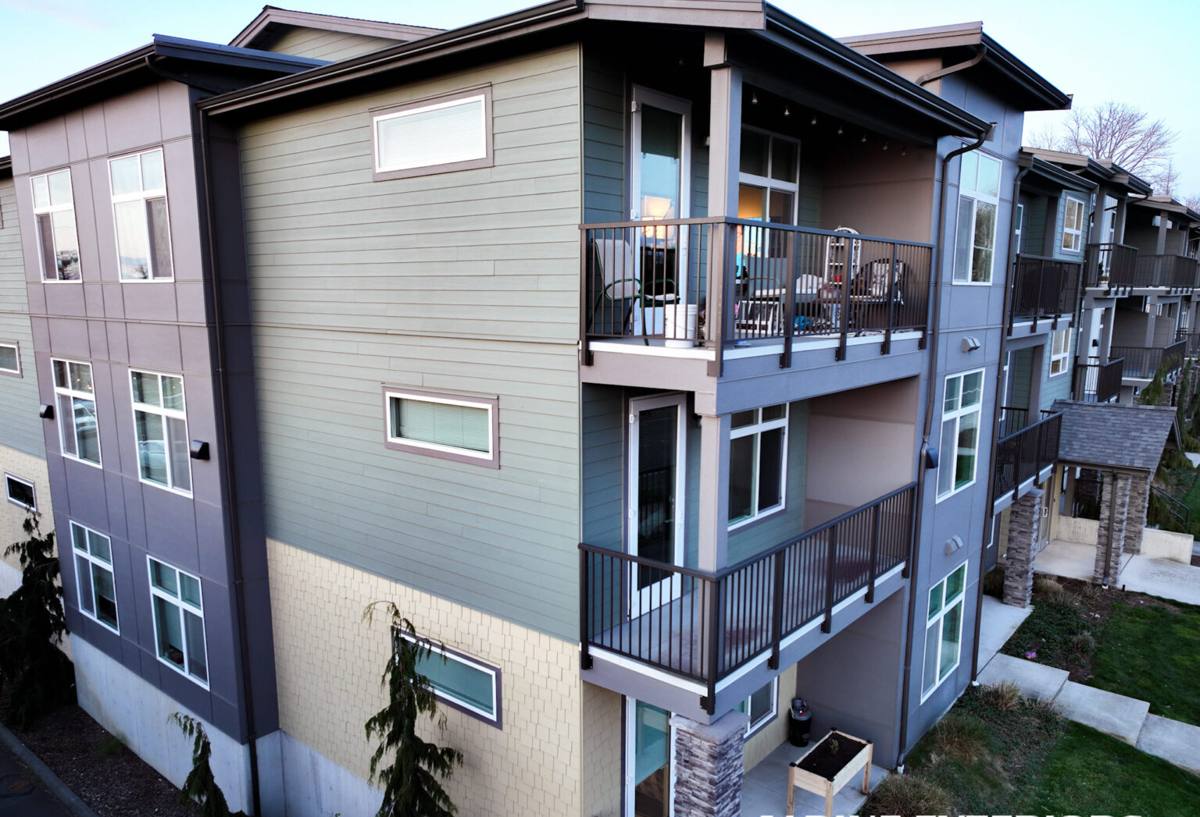
What Laurel's Climate Actually Does to a Window Opening
A few local realities shape how we approach every new-construction window install in this area:
- Salt air accelerates corrosion on hardware, fasteners, and unprotected metal flashing — anything not rated for coastal exposure degrades faster here than it would 30 miles inland.
- Driving rain off Semiahmoo Bay and the Strait hits windows at an angle, not just straight down, which puts extra load on head flashing and sill pans, not just the caulk line.
- A long moss and algae season keeps siding and trim damp for extended stretches, meaning any small gap in flashing stays wet longer and has more time to cause damage before it's noticed.
- Temperature swings between damp winters and warmer, drier summers stress sealants and expansion joints, so materials and details that flex well over time matter more than they would in a milder, drier climate.
None of this means new construction here requires exotic products. It means ordinary steps — a properly lapped sill pan, correctly sequenced house wrap, and hardware rated for the coast — have to be done correctly and in order, every time.
New-Construction Windows vs. Replacement Windows: Why the Difference Matters
Homeowners sometimes assume "window installation" is the same job regardless of context. It isn't. The table below outlines the practical differences relevant to a new build or addition in Laurel.
| Factor | New-Construction Window | Replacement Window |
|---|---|---|
| Installation method | Nail fin fastens to sheathing before siding goes on | Inserted into existing frame, no nail fin |
| Water management | Integrated with house wrap and flashing during framing | Relies on the condition of the existing opening |
| Best used when | Framing is open — new build, addition, or full siding tear-off | Siding and trim are staying in place |
| Long-term coastal performance | Highest, if flashing sequence is correct | Good, but limited by what's already behind the wall |
| Access to make corrections | Full access to sheathing, sill, and framing | Limited to the existing rough opening |
Because a new build gives us full access to the wall assembly, this is the one point in a home's life where the water management around every window can be built correctly from scratch — there's no old caulk, no unknown condition behind the siding, no guessing. It's worth getting right the first time.
What "Correct" Actually Means at the Window Opening
A properly installed new-construction window in a coastal-adjacent area like Laurel involves several layered steps, each one protecting the one behind it:
- Sill pan flashing installed first, sloped or lapped so any water that reaches it drains back outward, never inward.
- House wrap cut and lapped in the correct shingle-style order — top pieces overlapping lower pieces — so water sheds down and over each layer.
- Window set into the opening, shimmed level and plumb, then fastened through the nail fin per the manufacturer's schedule.
- Flashing tape applied over the nail fin at the sides and head, lapped correctly with the house wrap above and beside it.
- A drip cap or head flashing above the window to break the path of driving rain before it reaches the top seam.
- Interior and exterior sealant used only where specified — not as a substitute for proper flashing, but as a secondary line of defense.
Choosing Windows for a Laurel New Build
The right product depends on your budget, the home's design, and how exposed the site is to wind and salt spray. A few honest trade-offs worth knowing before you order windows:
| Consideration | What to Know |
|---|---|
| Frame material | Vinyl performs well and resists corrosion; fiberglass holds up to temperature swings with less expansion/contraction; wood needs more upkeep in damp, moss-prone conditions unless clad. |
| Hardware and fasteners | Coastal-rated hardware resists salt-air corrosion better than standard-grade hardware — worth specifying for homes within a few miles of the water. |
| Glass package | Double-pane with a low-E coating is standard for this climate; argon fill adds a modest efficiency boost for a modest cost increase. |
| Weep holes and drainage | Confirm the window has functioning weep paths — any water that gets past the outer seal needs somewhere to go besides the sill. |
| Warranty structure | Ask specifically whether the warranty covers seal failure and hardware corrosion, not just glass breakage — this matters more in coastal air than inland. |
We don't push homeowners toward a single brand. We do steer away from window lines with a track record of seal failure in wet, coastal-adjacent climates, and we're upfront about that reasoning — it's a maintenance and moisture question, not a brand loyalty one.
How We Handle a New-Construction Window Job in Laurel
Our process is built around the fact that once siding goes up, the flashing details are hidden for good. That means the sequencing has to be right the first time.
1. Plan Review and Product Selection
We walk the framing plan with you, talk through exposure on each elevation of the house (the side facing the water or prevailing wind usually gets extra attention), and help you land on frame material, glass package, and hardware that fit the budget and the site.
2. Coordinated Timing with Your Framer or GC
New-construction window installation has to happen at the right point in the build — after sheathing and house wrap, before siding. We coordinate directly with your general contractor or framing crew so the schedule lines up and nobody's waiting on anybody.
3. Sill Pan, Flashing, and Set
Each opening gets sill pan flashing, correctly lapped house wrap, and a level, plumb, properly fastened window set according to the manufacturer's installation instructions — which is also what keeps the warranty valid.
4. Flashing Tape, Head Flashing, and Sealant
We tape and lap the nail fin, install head flashing where the design calls for it, and apply sealant only where it's meant to be a backup, not the primary water barrier.
5. Final Walkthrough
Before siding closes everything in, we do a final check of every opening — because this is the last point where a mistake is easy to fix.
Why It Matters to Hire a Crew That Already Works in Laurel
A crew based elsewhere in Whatcom County can absolutely install a window correctly on paper. What local experience adds is knowing how a specific site behaves — which elevations of a Laurel-area home tend to take the worst of the wind-driven rain, how much salt exposure to plan for a few blocks off the water versus further inland, and how long moss season actually runs in this pocket of the county so maintenance expectations are realistic instead of generic.
We also know what inspectors in this area look for at the sheathing and flashing stage, which avoids delays waiting on a re-inspection. That local familiarity doesn't replace good technique — it just means fewer surprises for you during the build.
After the Windows Are In: What Keeps Them Performing
New-construction windows installed correctly need very little from you, but a short seasonal check-in goes a long way in this climate:
- Rinse salt residue and grime off exterior glass and frames periodically, especially on elevations facing the water.
- Check that weep holes at the base of each window stay clear of moss, debris, and dirt.
- Look at exterior caulk lines once a year for cracking or separation, particularly after a hard winter.
- Keep gutters and downspouts clear so roof runoff isn't sheeting down across window heads.
- Operate each window a few times a year, even ones you don't use often, so hardware doesn't seize up.
Let's Talk Through Your Build
Every new-construction project in Laurel is a little different depending on lot exposure, design, and budget. If you're framing a new home or addition and want windows specified and installed correctly from the start, we're happy to walk the plans with you and put together a straightforward estimate — no pressure, no upsell. Use the form below to get started.