 Semiahmoo
 Why Semiahmoo Resort Windows Wear Differently Than Windows Inland
Semiahmoo sits on a spit, with water on multiple sides and very little tree cover to break the wind. That's part of the draw of living out here, but it also means the building envelope — windows especially — takes a beating that a house ten miles inland in Whatcom County never has to deal with. Salt-laden air corrodes hardware and fasteners faster. Wind-driven rain off the bay pushes water sideways into gaps that would stay dry on a more sheltered lot. And the long, damp Pacific Northwest fall-through-spring stretch keeps moss and algae established on north- and west-facing exteriors for months at a time.
None of that is a reason to panic about your windows. It's a reason to be specific about materials, flashing, and sealants when you replace them — because generic "good windows" advice written for a house in Bellingham proper or Ferndale doesn't fully apply to a resort-front property getting salt spray and bay wind on a regular basis.
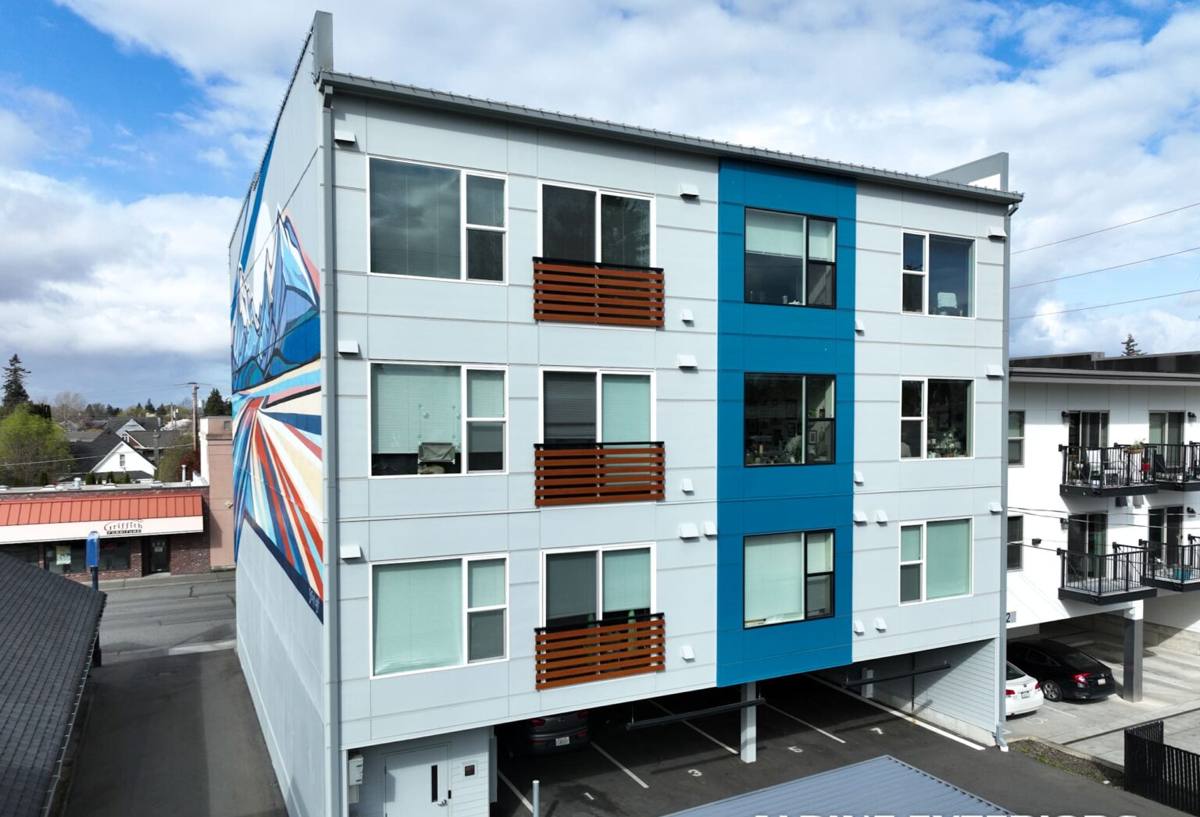
What Semiahmoo's Climate Actually Does to a Window Assembly
Salt Air and Metal Components
Aluminum cladding, uncoated fasteners, and lower-grade hardware corrode noticeably faster this close to salt water. We've seen window hardware on resort-area homes show pitting and stiffness years before the same hardware would fail on a house even a few miles inland. This is a materials-selection issue, not a brand-loyalty issue — it changes what we spec for you.
Wind-Driven Rain
Rain that falls straight down is easy to shed. Rain that's being pushed horizontally by wind coming off open water finds every weak seam — a flashing lap installed backward, a sill pan that's missing, a bead of caulk asked to do a flashing's job. On exposed sides of a Semiahmoo Resort home, we treat every window opening as if it will see driving rain, because it will.
Moss and Prolonged Dampness
Whatcom County's moss season runs long — roughly October through May in a typical year — and homes near the water often stay damp even longer than that. Moss and algae growth around window trim isn't just cosmetic; sustained moisture against wood trim or compromised caulk lines is exactly what leads to slow rot nobody notices until a window won't close square anymore.
What "Energy-Efficient" Actually Means for a Window Here
Energy efficiency on the label (U-factor, SHGC, the NFRC sticker) tells you how the glass and frame perform in a lab. It doesn't tell you whether the window will still be performing that way in eight years on a house that gets salt spray and driving rain. For Semiahmoo Resort, we treat efficiency as two separate jobs that both have to be done right:
- Glass and frame performance — low-E coatings, gas fill, frame material, and glazing that actually cuts heat loss and condensation
- Installation and sealing — flashing, sill pans, backer rod and sealant, and shim technique that keep water and air from bypassing the window entirely
A high-performance window installed with a weak seal will underperform a mid-grade window installed correctly — every time. On an exposed lot, installation quality often matters more than the spec sheet.
Frame Material: What We Recommend and Why
| Frame Material | How It Holds Up Near Salt Water | Our Take |
|---|---|---|
| Vinyl (quality, welded corners) | Doesn't corrode; UV and coastal exposure can affect cheaper vinyl over time | Good value, low maintenance — our default recommendation for most Semiahmoo Resort homes |
| Fiberglass | Excellent — dimensionally stable, resists salt corrosion and doesn't expand/contract much with temperature swings | Strong choice for the most exposed elevations if budget allows |
| Wood (unclad) | Needs regular maintenance; damp coastal climate accelerates rot if finish isn't kept up | Only where the look is a must-have, and only with a real maintenance commitment |
| Wood-clad (aluminum or vinyl exterior) | Cladding protects the wood, but exterior aluminum cladding can corrode near salt air over the long haul | We spec corrosion-resistant cladding and hardware here, or steer clients to fiberglass instead |
| Bare aluminum frame | Poor — conducts cold, and standard aluminum hardware corrodes fastest of any option this close to the water | We generally don't recommend this for resort-front exposure |
We're not knocking any of these products as products — every material has a place. Our standard is simply that on a lot this exposed, we won't install something that trades short-term savings for a maintenance headache in five years, and we'll tell you plainly when a cheaper option isn't worth it here.
Glass Packages That Make Sense for This Location
Double-pane, low-E, argon-filled glass is the baseline we'd recommend for any Whatcom County home; it's not exotic and it's not overkill. For Semiahmoo Resort specifically, a few things matter more than they would elsewhere:
- Low-E coating tuned for both heat retention and glare control — west and water-facing rooms get strong reflected light off the bay
- A tight, well-sealed insulated glass unit — seal failure (visible fogging between panes) shows up faster in homes with constant humidity swings from being this close to water
- Warm-edge spacer systems — they resist condensation better at the edge of the glass, which matters when indoor humidity meets consistently cool, damp outdoor air
Triple-pane glass is worth discussing for north- or water-facing rooms where wind exposure is worst, but for most homes here, a well-installed double-pane low-E unit delivers the bulk of the comfort and efficiency gain without the added cost and weight of triple-pane.
What a Correct Installation Involves
This is where most of the long-term performance actually gets decided — not at the glass, but at the rough opening.
Our process on a Semiahmoo Resort window job:
- Remove the old unit carefully and inspect the rough opening and sill for hidden water damage or soft framing before anything new goes in
- Install a sloped sill pan so any water that gets past the window sheds outward instead of sitting against the sill
- Flash in the correct shingle-lap order — sill, jambs, then head flashing over the top, so water always moves down and out over the layer below it, never behind it
- Use quality backer rod and sealant rated for coastal/marine exposure, not a generic caulk that will chalk and crack under UV and salt air within a couple of seasons
- Shim and set the window square and plumb — a racked frame stresses the seals and hardware and is one of the most common causes of early operational failure
- Insulate the gap around the frame properly — not overpacked, not left hollow — before trimming out
- Verify operation and seal — every window gets opened, closed, and checked before we consider the job done
Skip any one of these steps and you can end up with a window that's rated for great energy performance on paper but leaks air or water within a few years because the installation, not the window, failed.
Signs Your Current Windows Are Losing the Fight
- Fogging or haze between the panes (a failed seal on the insulated glass unit)
- Drafts you can feel around the frame on windy days, especially with wind off the water
- Sticking sashes, hardware that's gotten stiff, or corrosion visible on hinges and locks
- Soft or discolored trim/sill wood, or paint that's bubbling near the window
- Persistent condensation on the inside of the glass in cooler months
- Moss or dark staining building up on trim around the window, especially north- or west-facing units
- Noticeably higher heating bills compared to similar homes nearby
Any one of these on its own isn't necessarily an emergency. Several of them together, especially on the water-facing side of the house, usually means it's time to have someone actually look rather than keep patching caulk.
Why Hiring a Crew That Already Works Semiahmoo Resort Matters
Window replacement done right requires matching flashing details, sealants, and frame material to the specific exposure a house is dealing with — and that exposure is genuinely different on a resort-front lot than it is a few miles inland. A crew that's worked this area knows which elevations of a typical Semiahmoo Resort home take the worst of the wind and rain, what corrosion issues tend to show up first, and how long the moss season here really runs. That's not something you get from a general contractor working from a one-size-fits-all spec sheet, and it's not something you can fully verify from a product brochure. It comes from having actually done the work on homes with the same exposure yours has.
It also means fewer surprises during the job — knowing in advance that a particular elevation will need extra attention to flashing, or that a certain hardware finish won't hold up long-term this close to the water, saves you a callback down the road.
What to Ask Before You Hire Anyone for This Job
- Will you install a sloped sill pan and proper shingle-lap flashing, or just caulk around the frame?
- What sealant are you using, and is it rated for coastal/marine exposure?
- What frame and hardware material do you recommend for this specific exposure, and why?
- Do you warranty the installation separately from the manufacturer's product warranty?
- Can you walk me through what happens to water that gets past the window, step by step?
If a contractor can't answer the flashing and sill pan question specifically, that's a meaningful gap — it's the detail that determines whether a window job holds up here for fifteen years or needs redone in five.
Getting Started
If your windows are original to the house, showing corrosion or fogging, or you're just tired of drafts on windy days off the bay, it's worth having someone take a look before you commit to a full replacement — sometimes a repair or reseal buys real time, sometimes it doesn't. We're happy to walk your home, look at what's actually going on window by window, and give you an honest read on what's worth doing now versus later. Reach out for a free, no-pressure estimate using the form below.