 Semiahmoo
 Why Drayton Harbor Siding Wears Differently Than Siding Inland
Homes around Drayton Harbor sit right where marine air off the water meets Whatcom County's wet winters. That combination is harder on exterior siding than most homeowners realize until they're standing at the base of their house looking at a soft spot, a curling seam, or a patch of black-green growth that won't scrub off. A repair here isn't just cosmetic work — it's about understanding what the salt, the rain, and the shade are actually doing to the wall behind the siding.
Salt Air and Slow Corrosion
Proximity to Drayton Harbor means a steady low-level exposure to salt-laden air, especially on the water-facing sides of a house. Salt air accelerates corrosion on exposed fasteners, metal trim, and flashing. When those small metal components fail quietly over a few years, water starts finding its way behind the siding long before anything looks obviously wrong on the surface. A repair that only addresses the visible siding and ignores the fasteners and flashing underneath is a repair that fails again.
Driving Rain and Wind-Driven Moisture
Semiahmoo's exposure to wind off the water means rain doesn't always fall straight down — it gets pushed sideways into seams, corners, and butt joints that were never designed to shed water horizontally. Over time this wind-driven rain finds the weak points: a gap where caulking has shrunk, a lap joint that's opened slightly, a corner trim piece that's pulled away a fraction of an inch. None of that looks dramatic from the ground, but it's exactly where rot starts.
Moss, Shade, and Prolonged Dampness
Whatcom County's long, wet stretch of the year keeps shaded walls damp for extended periods, and damp siding grows moss. Moss holds moisture against the siding surface far longer than open air would, which softens paint film, degrades caulking, and — on the wrong material — can start breaking down the substrate itself. North-facing walls and anything shaded by mature trees or a neighboring structure are usually the first places we check on a Drayton Harbor repair call.
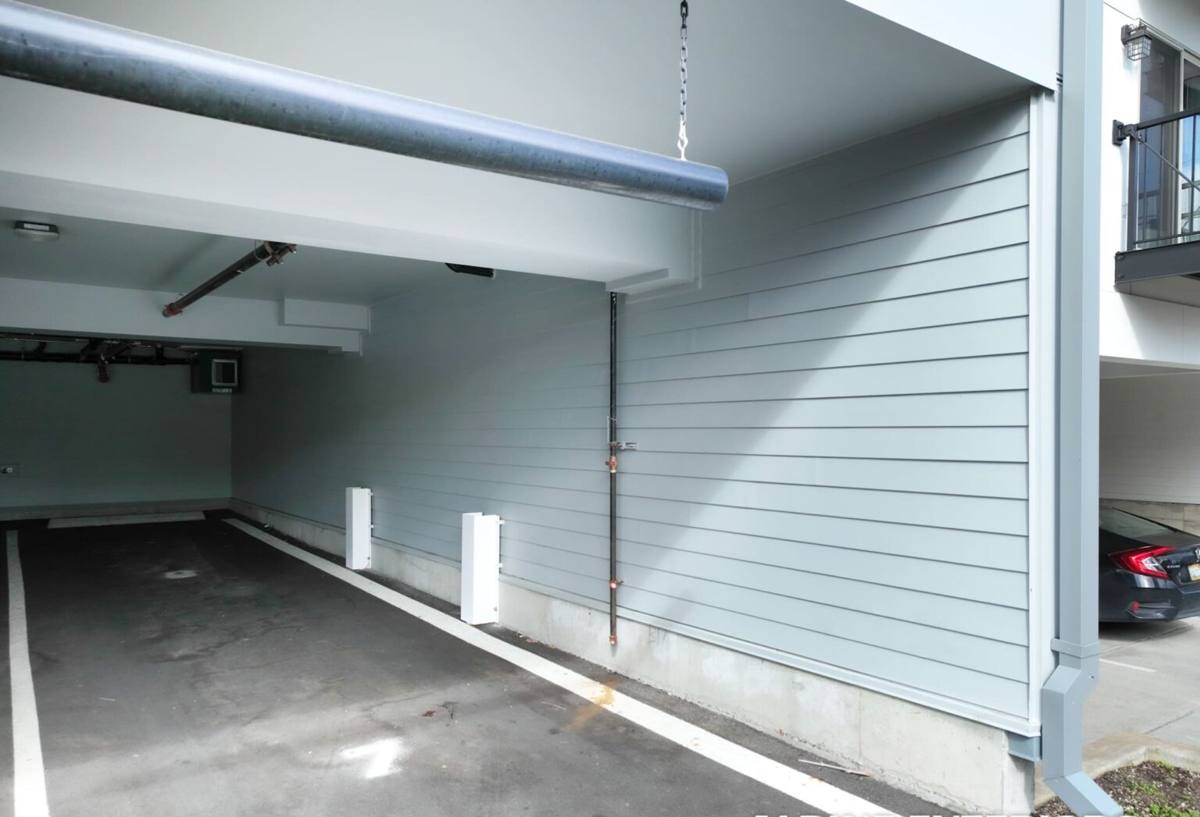
Signs Your Siding Needs Repair — Not Just a Coat of Paint
Most siding repair calls start with a homeowner noticing one thing and finding two or three more once we get a ladder up. Here's what we look for, and what you can check yourself before calling anyone:
- Soft or spongy spots when you press on the siding, especially near the bottom courses or below windows
- Visible gaps at seams, corners, or where siding meets trim, window frames, or the foundation
- Persistent moss or algae staining that returns quickly after cleaning
- Paint that's bubbling, peeling, or flaking in a localized area rather than evenly across the wall
- Warping, cupping, or boards that no longer sit flush against the wall
- Rust streaks below nail heads or metal trim pieces
- Interior signs — a musty smell, a damp patch on drywall, or peeling interior paint on an exterior wall
Any one of these on its own might be minor. Several together, especially clustered in one area, usually means moisture has been getting behind the siding for a while.
What a Correct Siding Repair Actually Involves
A siding repair that's done right is not the same thing as covering a bad spot with a new piece of material. It's a small investigation followed by a targeted fix.
Tracing the Water, Not Just the Damage
Before we replace anything, we trace where water is actually entering — because the visible damage is often several inches or even feet from the real entry point. Water runs down behind siding before it shows itself, so a rotted board near the bottom of a wall can be caused by a failed seal much higher up. Repairing the visible spot without finding the source means the same repair fails again within a season or two.
Checking What's Behind the Siding
Once a section is opened up, we check the water-resistive barrier, the sheathing, and the framing underneath for moisture damage. Sometimes the siding is the only thing that needs replacing. Sometimes the barrier has failed and needs to be corrected before new siding goes back on — skipping that step is one of the most common reasons repairs don't hold up.
Matching Material and Finish
On a factory-finished product, a patch that doesn't match the existing color or texture stands out immediately, especially in daylight near the water where the light is often flat and even. Matching plank profile, exposure, and finish matters as much as the structural fix itself — a technically sound repair that looks obviously different from the rest of the wall isn't a job we consider finished.
Flashing, Fasteners, and Sealant Details
Every repair gets new flashing where needed, corrosion-resistant fasteners set to the correct depth, and sealant only where the manufacturer's installation details call for it — not smeared over every seam as a shortcut. Over-caulking is a common patch job mistake; it traps moisture instead of letting the wall dry, which causes the exact problem it was meant to prevent.
Repair or Replace? How We Actually Decide
Not every damaged section needs a full re-side, and not every "small" repair should be treated as small. The honest answer depends on a few factors:
| Factor | Leans Toward Repair | Leans Toward Replacement |
|---|---|---|
| Extent of damage | Isolated to one or two sections | Spread across multiple walls or elevations |
| Sheathing condition | Dry, sound wood behind the siding | Soft, rotted, or delaminated sheathing found |
| Age of existing siding | Well within its expected service life | Near or past the age where failures cluster |
| Material match available | Same profile and color still obtainable | Discontinued line or heavily faded finish |
| Underlying cause | A single fixable source (flashing, sealant, fastener) | Systemic issue — original installation errors, wrong material for the exposure |
We'll tell you plainly which side of that table your house falls on. If a repair is the honest answer, that's what we recommend and price — there's no reason to sell a full re-side when a section-level fix will hold.
Why We Only Repair and Replace With James Hardie Fiber Cement
We don't install or patch with vinyl, LP SmartSide, primed spruce, or cedar, and we're upfront about why. Vinyl expands and contracts significantly with temperature swings and can crack in cold snaps; it also traps moisture against the wall if it's not detailed exactly right, which is a real risk in a climate this wet. Engineered wood products like LP SmartSide perform well when installed and maintained precisely to spec, but they rely on an intact factory treatment and careful edge-sealing — miss either one near salt air and moisture-driven wear shows up faster than most homeowners expect. Untreated or primed wood siding — spruce, cedar — looks good on day one but demands an ongoing paint and caulk maintenance schedule that most owners underestimate, and failures there tend to be moisture-related rot rather than something you can patch cleanly.
James Hardie fiber cement is non-combustible, holds its shape in wet-dry cycling far better than wood-based products, and its HZ5 product line is engineered specifically for climates like this one — freeze-thaw cycles, sustained moisture, and coastal exposure. The ColorPlus factory finish is also baked on under controlled conditions, which is part of why color-matching a repair patch to existing Hardie siding is realistic in a way that matching a hand-painted wood repair rarely is. When we repair a Hardie wall, we're repairing a system we understand completely, with parts and finishes that are still manufactured and available.
Our Process for a Drayton Harbor Repair Call
1. Inspection and Moisture Check
We start outside with a full walk of the exterior, not just the spot you called about — salt air and wind-driven rain rarely damage just one section. We check moisture levels at suspect areas and look at flashing, trim, and seams across every elevation, with extra attention to water-facing and shaded walls.
2. A Straight Answer and a Written Scope
You get a plain explanation of what's causing the damage, what needs to be opened up, and what the repair will involve — including if the honest recommendation is more than what you called about, or less.
3. The Repair Itself
We remove only what needs to come off, correct anything wrong underneath (barrier, flashing, sheathing), and install matched Hardie material with proper fastening and clearances. We don't cut corners on the parts nobody sees, because those are the parts that determine whether the repair lasts.
4. Cleanup and a Final Look
Debris and old material leave the site, and we walk the repair with you before we consider the job done — including pointing out anything else on the exterior worth keeping an eye on going forward.
Why It Matters That We Already Work Semiahmoo and Drayton Harbor
A crew that regularly works this stretch of Whatcom County already knows which elevations take the worst of the wind and rain, how far salt exposure typically reaches inland from the water, and which older installations in this area are prone to the same recurring issues. That's not something you can shortcut by reading a manual — it comes from opening up enough walls in this exact environment to know what's usually behind them before the first piece of trim comes off. It also means a faster, more accurate estimate, because we're not guessing at conditions we've never seen locally.
Keeping a Repair From Becoming a Repeat Repair
A few habits go a long way toward protecting a fresh repair — or the rest of your siding — in this climate:
- Rinse moss and algae off shaded or north-facing walls before it builds up into a thick mat
- Keep gutters clear so overflow isn't running down the siding face during heavy rain
- Trim back vegetation and tree limbs that keep a wall section shaded and damp
- Walk the exterior once or twice a year and check caulking at trim, windows, and corners for shrinkage or gaps
- Address small issues — a loose piece of trim, a cracked sealant line — before the next wet season, not after
If you're seeing damage, moss that won't quit, or soft spots anywhere on your siding near Drayton Harbor or Semiahmoo, we're glad to take a look. The estimate is free, there's no pressure attached to it, and you'll get a straight answer about whether you need a repair, a bigger fix, or nothing at all.