 Semiahmoo
 Building a Deck That Belongs on Drayton Harbor
A deck in Drayton Harbor works harder than a deck almost anywhere inland. It sits close to open water, takes salt-laden wind off the harbor, gets soaked by driving rain for months at a stretch, and then spends the shoulder seasons shaded and damp enough to grow moss on almost any horizontal surface. None of that is a reason to avoid building outdoor living space here — it's just a reason to build it differently than a general contractor from outside the area might.
This page is about one thing: building or replacing a deck specifically for homes in the Drayton Harbor area, and what that requires given the local climate. If you're comparing bids, the details below are the ones worth asking any contractor about, including us.
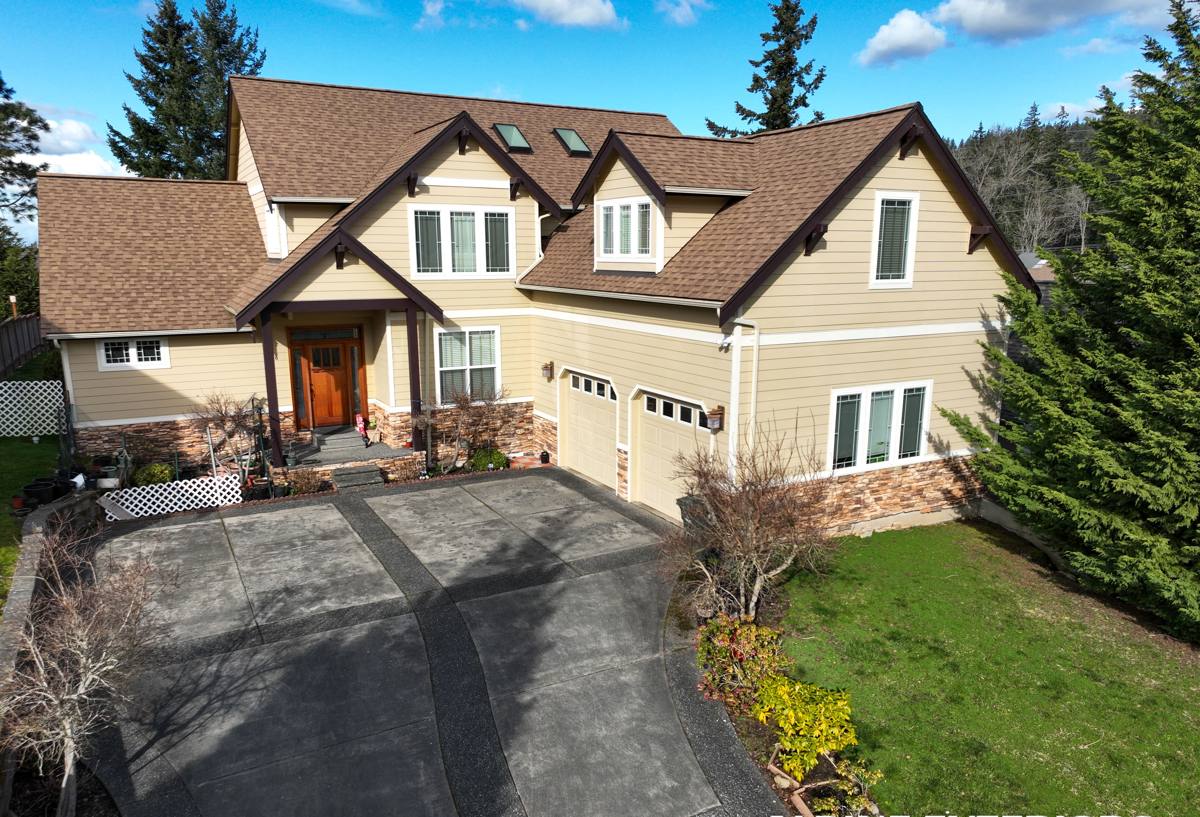
What Actually Wears Out a Deck Here
Most deck failures we see in this part of Whatcom County trace back to a small number of causes, and they're almost always accelerated by the same three conditions: salt air, sustained rain, and moss.
Salt Air and Corrosion
Airborne salt off the harbor settles on metal hardware — fasteners, joist hangers, bolts, railing brackets — and speeds up corrosion compared to a deck built even a few miles inland. Standard hot-dip galvanized hardware can hold up for a while, but in a direct salt-air exposure it corrodes faster than it would elsewhere, and once fasteners start failing, the structural connections they hold together are compromised even if the visible decking still looks fine.
Driving Rain and Trapped Moisture
Rain here doesn't just fall straight down — wind off the water pushes it sideways into ledger connections, under railing posts, and into any gap where end grain is exposed. Wood that can't shed water and dry out between storms is wood that rots from the inside, often starting at the connections you can't see: the ledger-to-house attachment, post bases, and joist ends.
Moss and Surface Degradation
Shaded, damp decking grows moss and algae, especially through fall and winter. Beyond looking bad, moss holds moisture against the deck surface, and on wood that means accelerated rot; on composite it can stain and, if left long enough, contribute to slip hazards. A deck built without airflow underneath or with poor drainage will grow moss faster and need more frequent cleaning than one built with those things accounted for from the start.
Choosing Decking Material for This Climate
There's no single "right" material for every homeowner — budget, maintenance tolerance, and how the deck will be used all factor in. What matters is understanding the real trade-offs in a marine climate rather than picking on price alone.
| Material | Upfront Cost | Maintenance in This Climate | Notes |
|---|---|---|---|
| Pressure-treated wood | Lowest | Annual cleaning, periodic sealing/staining | Needs consistent upkeep to resist moss and moisture in salt air; skipping a season or two shows fast |
| Cedar | Moderate | Regular sealing to maintain color and resist checking | Naturally rot-resistant but still needs protection from driving rain and salt exposure over time |
| Composite decking | Higher | Periodic washing, no staining or sealing | Doesn't rot or splinter; surface can still hold moss if not cleaned, and quality varies a lot by brand |
| PVC decking | Highest | Lowest — occasional washing | Best moisture resistance of the common options; higher material cost |
We don't push one material on every job. What we will tell you honestly: if you choose wood for this location, plan on a real maintenance routine, not an occasional one. If low maintenance matters more to you than upfront cost, composite or PVC earns its price difference here faster than it would in a drier inland climate.
The Substructure Is Where Decks Actually Fail
Homeowners naturally focus on decking boards and railing style, but the structure underneath is what determines whether a deck lasts 10 years or 30. In a climate like this, three things matter more than usual.
Ledger Attachment and Flashing
Where a deck attaches to the house is the single most common point of water intrusion and structural failure nationally, and driving rain off the harbor makes proper flashing at that connection even more important. Done right, water is directed away from the ledger and the house band board behind it, not trapped against it.
Footings Sized for Local Soil
Soil conditions near the water can differ from soil a few miles inland — drainage, frost depth, and bearing capacity all factor into footing depth and sizing. Footings poured without regard for the specific site conditions can settle or heave, which shows up later as a deck that's no longer level or a railing that's come loose.
Joist Protection
Cut ends and drilled holes in treated lumber expose untreated wood to moisture. In a wetter climate, those exposed spots are where rot starts first. Treating cut ends and using joist tape or a comparable protective barrier on top of joists before decking goes down is a small step that meaningfully extends the life of the frame.
How We Approach a Deck Build in Drayton Harbor
- On-site assessment — we look at sun and wind exposure, existing drainage, soil conditions, and how close the site sits to salt spray, since all of that affects material and hardware choices.
- Design and material selection — we walk through the trade-offs above with you in plain terms, based on your budget and how much upkeep you actually want to do.
- Permitting — deck projects in Whatcom County commonly require a permit depending on height, size, and attachment to the structure; we handle that process rather than leaving you to sort it out.
- Structural build-out — footings, framing, ledger flashing, and joist protection done to hold up to this specific climate, not a generic spec.
- Decking, railing, and hardware installation — using fasteners and connectors rated for the corrosion exposure at your specific site.
- Final walkthrough — including a realistic maintenance conversation so you know what upkeep to expect and when.
Railings, Fasteners, and Hardware
Hardware is where a lot of decks quietly fail years before the visible wood or decking looks like a problem. In a salt-air environment, we favor stainless steel or heavily coated fasteners and connectors rated for coastal or high-corrosion exposure over standard galvanized hardware, particularly at structural connections like joist hangers, ledger bolts, and post bases. It costs more upfront. It also means the connections are still sound when the decking itself eventually needs replacing, instead of failing quietly underneath boards that still look fine.
Railings deserve the same attention — post bases and brackets are constant water-catch points, and using hardware that isn't rated for the exposure here is one of the fastest ways to end up with a wobbly railing within a few years.
Drainage and Airflow Underneath the Deck
A deck built low to the ground or without attention to grading underneath will trap moisture, dry out slowly, and grow moss faster — both on the underside of the deck and on the ground beneath it. Where the site allows it, we grade and, where needed, add drainage beneath the deck so water moves away instead of pooling. For lower decks or those over living space, proper under-deck drainage systems can also keep the area below dry and usable. Good airflow underneath does the same job as good airflow does for the rest of the structure: it lets things dry out between rain events instead of staying wet.
Maintenance Checklist for a Drayton Harbor Deck
Whatever material you choose, a few consistent habits go a long way in this climate:
- Sweep debris and standing water off the deck surface regularly through fall and winter, when moss growth is fastest
- Wash the surface at least once a year with a deck-safe cleaner to remove moss, algae, and salt residue before it builds up
- Inspect railings and post connections annually for looseness — a sign hardware may be corroding
- Reseal or restain wood decking on the manufacturer's recommended schedule, not just when it looks faded
- Check that gaps between boards stay clear of debris so water and air can move through
- Look underneath the deck once a year for signs of moisture, rot, or corrosion at the ledger and joist hangers
Why Local Experience Matters for This Job
Deck building isn't exotic work, but building one that holds up specifically in a Drayton Harbor exposure means knowing which hardware grades actually perform here, how local soil and drainage behave, and what the Whatcom County permitting process expects for deck attachments and footings. A crew that builds decks across a wide range of inland climates and treats every job the same way will often spec hardware and materials that are fine somewhere else and undersized for salt air and driving rain here. We work in this area regularly, which means the material and hardware choices above aren't theoretical — they're what we've found actually holds up over time in this exposure.
If you're planning a new deck or need to replace one that's showing its age, we're happy to take a look and talk through what your site specifically needs. Reach out for a free, no-pressure estimate using the form below.