 Semiahmoo
 Why Blaine Harbor Windows Wear Out Faster Than the Manual Says
Windows sold nationally are rated for a generic climate. Blaine Harbor isn't generic. Sitting where Semiahmoo Bay meets the open water near the Canadian border, homes here take a steady diet of salt-laden air, wind-driven rain that hits glass and frames sideways instead of straight down, and a wet season that runs long enough to grow moss on anything that holds moisture. That combination breaks down window seals, corrodes hardware, and fogs insulated glass years before a manufacturer's warranty period ends inland.
"Energy-efficient" in this setting means more than a good U-factor on a spec sheet. It means a window built and installed to keep salt off the metal parts, keep wind-driven water out of the wall cavity, and keep condensation off the glass during the cold, damp months that define a Whatcom County winter. We've installed and repaired windows up and down this stretch of coastline long enough to know which products and details actually hold up here, and which ones look fine in the showroom and fail in year three.
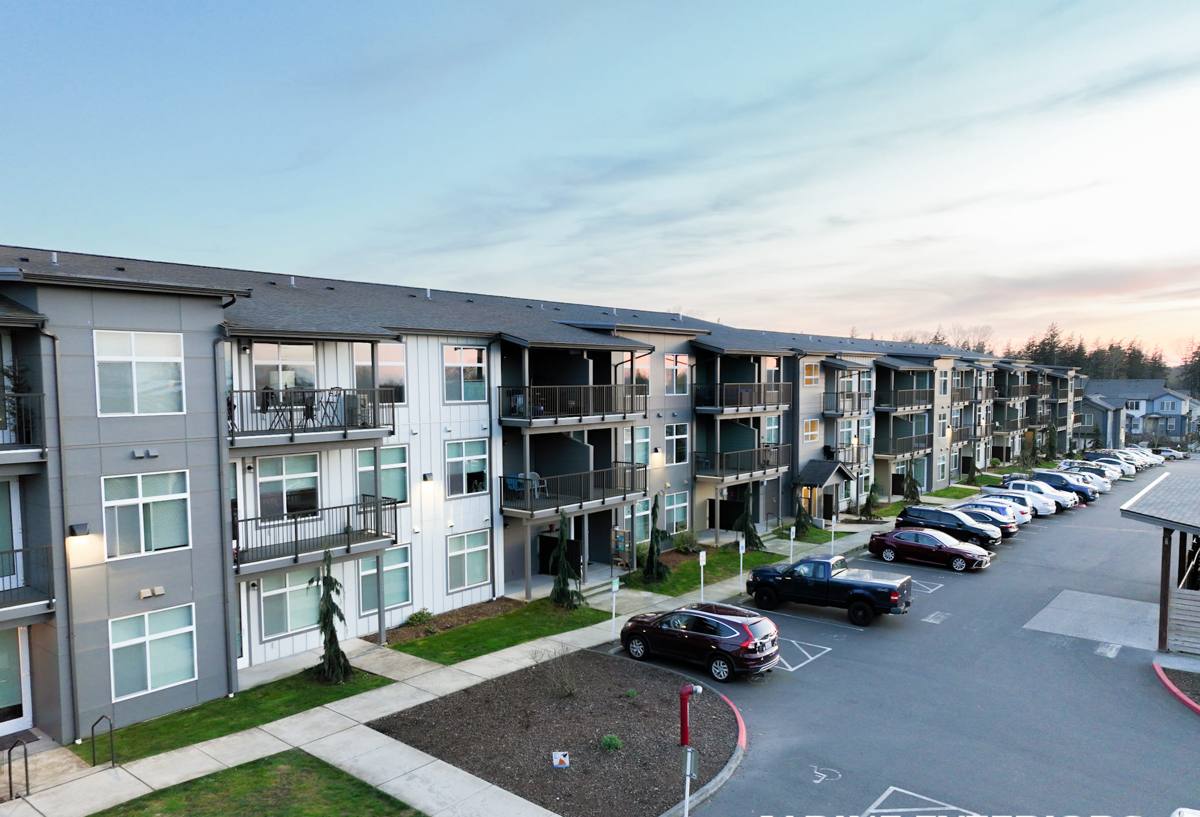
What the Local Climate Actually Does to a Window
Salt Air
Airborne salt settles on every exterior surface, including window frames and hardware. On aluminum frames and lesser-grade hardware, that salt accelerates corrosion — hinges seize, locks stiffen, and pitting starts to show on anything not specifically rated for coastal exposure. Vinyl and fiberglass frames don't corrode, which is one reason we steer most Blaine Harbor homeowners away from bare aluminum.
Driving Rain
Wind off the water pushes rain sideways and upward, not just down. A window that's watertight against a gentle vertical rain can still leak under wind-driven conditions if the flashing, sill pan, and sealant details weren't built for lateral water pressure. This is a bigger factor in window failure here than glass quality — most leaks we find are installation and flashing issues, not product defects.
Moss and Prolonged Dampness
Long stretches of damp, mild weather let moss and algae take hold anywhere moisture lingers — sills, bottom rails, and any wood trim around a window opening. Once organic growth gets established in a joint, it holds water against the material and speeds up rot and seal failure. Window frame material and trim detailing both matter for how well an opening resists this.
Condensation
Cool, humid air near the water plus indoor heating creates a real condensation risk on older or poorly rated glass. Persistent condensation between panes is usually the first visible sign that a seal has failed — it's also a clue that a window is no longer doing its job holding heat in.
What "Energy-Efficient" Should Mean for This Address
In a heating-dominated maritime climate like Whatcom County's, the ratings that matter most aren't identical to the ones a homeowner in Arizona should chase.
- U-factor: This measures how well the window resists heat loss. Lower is better, and it's the single most important number for our winters — a low U-factor keeps heat inside and keeps the interior glass surface warmer, which also cuts condensation.
- SHGC (Solar Heat Gain Coefficient): Matters less here than in sunnier climates, but a moderate SHGC still helps passively warm a room on the clear days we do get, without overheating in summer.
- Air leakage rating: Wind off the bay makes this one non-negotiable. A window with a low air-leakage rating, properly installed, is what actually stops the draft you feel sitting near a window on a windy evening.
- Condensation resistance: Not always printed on the label, but ask about it. Warm-edge spacers and quality low-E glass packages perform noticeably better against fogging in humid coastal air.
Frame Materials: What Holds Up on the Water
| Material | Salt-air performance | Maintenance | Typical cost tier |
|---|---|---|---|
| Vinyl | Excellent — won't corrode or rot | Low; occasional cleaning | Lower |
| Fiberglass | Excellent — very stable, resists warping in temperature swings | Low | Higher |
| Wood-clad (vinyl or aluminum exterior) | Good on the exterior face; interior wood needs care if moisture reaches it | Moderate | Higher |
| Aluminum (uncoated or standard finish) | Poor in direct salt exposure without marine-grade coatings | Higher — watch hardware and finish | Moderate |
We'll tell you plainly when a product isn't the right fit for a harbor-exposed elevation rather than sell it anyway. Standard aluminum frames, for example, are a reasonable choice on a sheltered inland wall but a poor long-term bet facing open water — that's a maintenance and corrosion trade-off, not a knock on the material in general.
Glass and Coating Choices That Matter Here
Dual-Pane vs. Triple-Pane
Dual-pane windows with a quality low-E coating and argon fill perform well for most Blaine Harbor homes and are the more budget-conscious choice. Triple-pane adds meaningful extra insulation and sound dampening — worth considering on a north- or west-facing wall that takes the brunt of winter wind, or for a homeowner prioritizing the lowest possible heating bill over the added upfront cost.
Low-E Coatings
A low-E coating reflects heat back into the room in winter, which is the priority for this climate. Not all low-E packages are tuned the same way — we match the coating to the wall's sun exposure rather than installing the same glass package on every elevation.
Warm-Edge Spacers
The spacer between panes affects both energy performance and condensation resistance at the edge of the glass, which is exactly where fogging tends to start first in a damp coastal climate. This is a small line item that makes a real difference over the life of the window.
What a Correct Installation Involves
A high-performance window installed poorly will underperform a mid-grade window installed correctly — this is the single most common gap we find when replacing someone else's work.
- Opening inspection: Check the sheathing, sill, and framing for hidden rot or prior water damage before anything new goes in. On homes near the water, we look closely — moisture problems here don't always show on the interior first.
- Sill pan flashing: A properly sloped, sealed sill pan gives any water that gets past the window a way out instead of a way into the wall.
- Weather-resistive barrier integration: Flashing tape and house wrap need to be layered correctly — water managed shingle-style, top piece over bottom — so wind-driven rain can't work its way behind the assembly.
- Air sealing: Low-expansion foam or backer rod and sealant around the frame, sized for the gap, stops the drafts that undercut even a great U-factor rating.
- Exterior trim and caulking: Detailed to shed water and resist moss and algae growth, with materials that won't trap moisture against the frame.
Signs It's Time to Replace, Not Repair
- Fogging or haze between the panes that doesn't clear — the seal has failed and the insulating gas or dead-air space is compromised
- Visible corrosion, pitting, or stiff/seized hardware on aluminum-framed windows
- Soft or discolored wood trim around the frame, or moss holding moisture against the sill
- Persistent condensation on the interior glass even with normal ventilation
- Drafts felt near the frame on windy days, especially on walls facing the water
- Difficulty opening, closing, or locking that isn't solved by basic cleaning and lubrication
Our Process for Blaine Harbor Homes
We start with a walk-through of every window under consideration, checking the opening itself — not just the glass — since so many issues in this area trace back to what's happening in the wall, not the window unit. From there we talk through frame material and glass package options based on which direction the wall faces and how exposed it is to weather off the bay. We measure for an exact fit, order, and install with the flashing and sealing details this coastline actually requires, then walk you through basic upkeep — mainly keeping tracks and weep holes clear of salt residue and moss so the window keeps performing the way it's rated to.
Why Local Experience Matters for This Job
Window installation looks straightforward until it isn't. A crew that mostly works inland doesn't necessarily think about sill pan slope for wind-driven rain, or which frame materials are worth the extra cost on a harbor-facing wall, because they don't see those failures often. We work this specific stretch of Whatcom County regularly enough to know which details are cosmetic and which ones are the reason a window is still dry and tight in ten years. That's the difference between a window that meets its energy rating on paper and one that actually delivers it, season after season, in a marine climate.
If your windows are drafty, fogged, or just overdue, we're happy to take a look and give you a straight assessment. Fill out the form below for a free, no-pressure estimate — we'll tell you what we'd actually recommend for your home, not just what's easiest to sell.