 Semiahmoo
 Why Sumas Roofs Wear Differently Than Roofs Inland or in Drier Climates
Sumas sits in a part of Whatcom County where the weather doesn't let a roof rest. Long stretches of steady rain move through the Nooksack valley for months at a time, humidity lingers under tree cover and along low-lying ground, and temperatures swing enough between fall and winter to freeze and thaw standing moisture more than once a season. Add the moss and algae growth that comes with all that shade and dampness, and it's easy to see why a shingle roof built to a generic national spec often falls short here within a decade instead of lasting the 20-25 years it's rated for.
None of this means asphalt shingles are the wrong choice for a Sumas home — they're still the most practical, cost-effective roofing material for most houses in this area. It means the installation details matter more here than they would in a drier climate, and skipping steps that seem optional elsewhere causes real problems in this one.
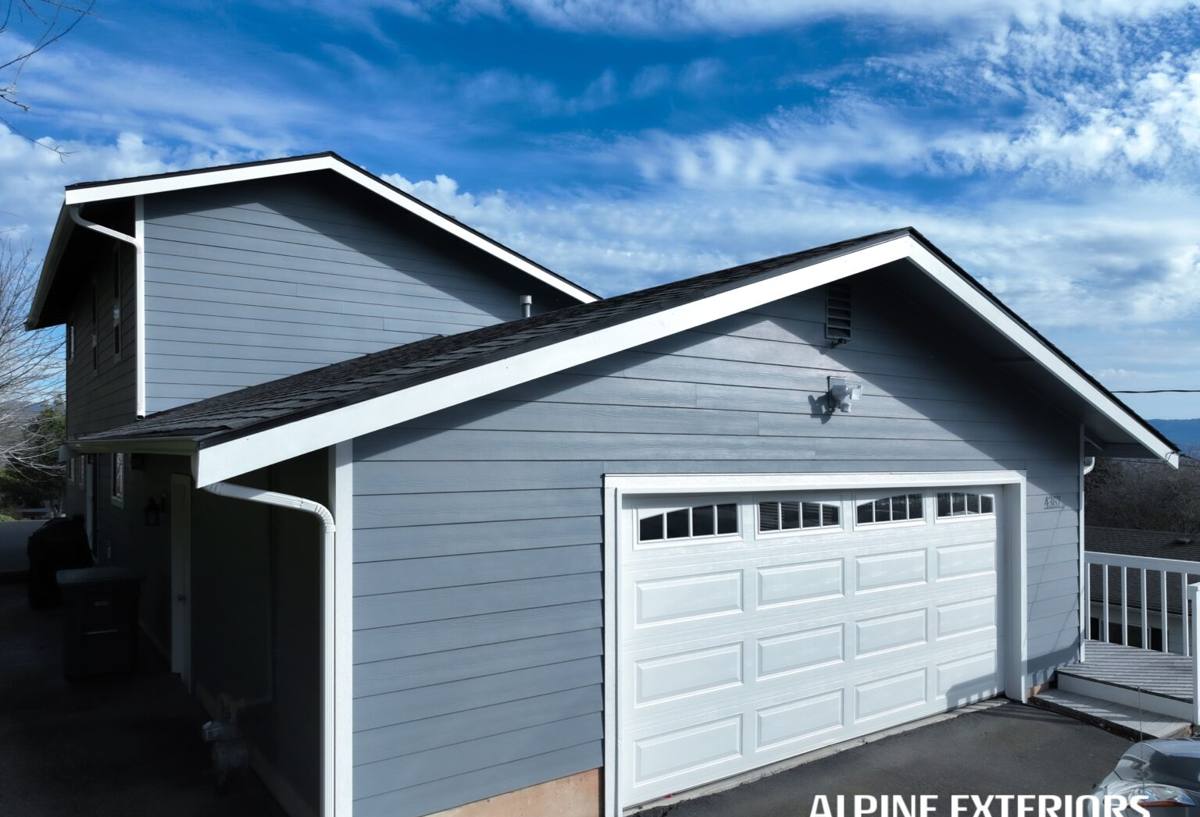
What a Correct Asphalt Shingle Installation Actually Requires Here
A shingle roof is a system, not just a layer of shingles nailed to a deck. In a wet, moss-prone climate like this one, every layer underneath the shingles is doing real work, and cutting corners on any of them shows up later as a leak, a rot spot, or a shortened lifespan.
The layers that matter most locally
- Deck condition: Any soft, delaminated, or water-stained sheathing gets replaced before anything goes back down — nailing shingles over a compromised deck just hides the problem.
- Ice and water shield at eaves and valleys: These are the spots most likely to see standing water or ice buildup during a cold snap, and they get a self-adhering waterproof membrane, not just felt.
- Synthetic underlayment across the field: A quality synthetic underlayment resists the moisture this area sees for weeks at a time far better than old-style felt, which can absorb water and wrinkle.
- Flashing at every penetration: Chimneys, vents, skylights, and wall intersections are where most "shingle roof" leaks actually originate. Properly stepped and counter-flashed details matter as much as the shingles themselves.
- Balanced attic ventilation: Intake at the soffits and exhaust at the ridge, sized to work together, so moisture-laden air doesn't condense against the underside of the deck.
Choosing a Shingle That Makes Sense for Sumas Weather
Not every asphalt shingle product is built the same way, and the right choice depends on how much you want to spend up front versus how little you want to think about the roof over the next 20 years.
| Shingle Type | Typical Lifespan | How It Handles Local Conditions |
|---|---|---|
| 3-tab shingles | 15-20 years | Lower upfront cost, but thinner profile weathers faster under constant rain and moss pressure |
| Architectural (laminate) shingles | 25-30 years | Heavier, more rigid, better wind and impact resistance — the standard choice for this climate |
| Algae-resistant shingles | 25-30 years | Copper- or zinc-infused granules slow algae and moss growth on shaded, damp roof sections |
| Impact-rated (Class 4) shingles | 30+ years | Worth considering on exposed roof planes; may qualify for an insurance discount |
For most Sumas homes, we recommend algae-resistant architectural shingles as the baseline. The upgrade cost over standard architectural shingles is modest, and it directly addresses the one problem almost every roof in this area eventually deals with: dark streaking and moss colonization on north-facing or tree-shaded slopes.
Our Process for a Sumas Roof Replacement
We run the same disciplined sequence on every shingle roof, adjusted for the specific slope, tree cover, and exposure of your property.
- On-site inspection: We check the deck, current flashing, ventilation setup, and any trouble spots (chimneys, skylights, valleys) before quoting anything.
- Tear-off: Old shingles and underlayment come off completely — we don't install a new roof over an old one, since that traps moisture and hides deck problems.
- Deck assessment and repair: Any soft or water-damaged sheathing is replaced before the new underlayment goes down.
- Ice and water shield placement: Applied at eaves, valleys, and any low-slope transitions where water is most likely to sit.
- Underlayment and flashing: Synthetic underlayment across the field, new step and counter-flashing at every wall and penetration.
- Shingle installation: Installed to manufacturer nailing patterns and exposure specs — this is where warranty coverage is won or lost.
- Ventilation check: Soffit and ridge vents are confirmed to be clear and balanced, or upgraded if the attic isn't breathing properly.
- Cleanup and walk-through: Magnetic sweep for nails, full site cleanup, and a walk-through so you know exactly what was done and what to watch for.
Moss, Algae, and the Realities of a Long Wet Season
Moss doesn't just look bad — it holds moisture against the shingle surface and works its way under tabs and around fasteners over time, which shortens the life of even a well-installed roof. In a region with as much sustained damp weather as this one, moss control isn't a one-time fix, it's ongoing maintenance.
What actually helps
- Keeping tree branches trimmed back so roof sections get more light and airflow
- Clearing gutters and valleys of needles and debris at least twice a year
- Gentle, low-pressure moss removal rather than pressure washing, which strips granules and shortens shingle life
- Zinc or copper control strips near the ridge on heavily shaded roofs
- Choosing algae-resistant shingles from the start, so you're not fighting the climate with a product that wasn't built for it
We're upfront that no shingle roof in this climate stays moss-free forever without some attention. The goal is choosing a system and a maintenance rhythm that keeps it from becoming a structural problem.
Ventilation and Ice Dams: The Problem You Don't See Until It's a Leak
When cold snaps follow wet weather, poorly ventilated attics let warm, moist air rise and melt snow or frost unevenly on the roof surface. That meltwater refreezes at the colder eaves, builds up, and backs water up under the shingles — which is how homeowners end up with a ceiling stain that has nothing to do with a missing shingle. Balanced intake and exhaust ventilation, combined with proper ice and water shield at the eaves, is the real fix, not just adding more insulation or hoping for a mild winter.
Signs a Sumas Roof Needs Attention Soon
Most shingle roof failures give warning signs well before an interior leak shows up. Worth checking for or having a professional check for:
- Granules collecting in gutters or at downspout outlets
- Shingles that look cupped, curling at the edges, or cracked
- Dark streaking or thick moss growth, especially on shaded slopes
- Soft spots or noticeable sagging when walking the attic floor above the deck
- Flashing that looks rusted, lifted, or separated from the surface it meets
- Daylight visible through the roof deck from inside the attic
What Drives Cost on a Sumas Shingle Roof
| Factor | Why It Matters |
|---|---|
| Roof size and number of planes | More cuts, valleys, and hips mean more labor and material waste |
| Deck condition | Rotted or delaminated sheathing found during tear-off adds material and labor |
| Shingle tier chosen | 3-tab, standard architectural, and algae-resistant/impact-rated products carry different material costs |
| Roof pitch and access | Steep or hard-to-access roofs take longer and require more safety setup |
| Ventilation upgrades | Adding or correcting soffit/ridge ventilation is often worth doing during a tear-off rather than later |
| Flashing scope | Chimneys, skylights, and multiple wall intersections add detail work beyond the field shingles |
We'll never quote a roof sight-unseen — every estimate follows an actual inspection of your deck, slope, and current flashing, so the number you get reflects your roof, not a generic average.
Why It Matters to Hire a Crew That Already Works in Sumas
A roofing crew that regularly works Whatcom County homes already knows what this weather does to a roof over time — where moss tends to take hold first, how much ice and water shield is genuinely enough for the freeze-thaw pattern here, and which flashing details fail most often on local homes. That's different from a crew working from a generic checklist written for a drier region. It also means faster response if a storm damages your roof and you need someone who already knows the area, not someone driving in from several counties away.
If you're weighing a repair against a full replacement, or just want an honest read on how much life is left in your current roof, we're happy to take a look. Request a free, no-pressure estimate using the form below, and we'll walk your roof and give you a straight answer.