 Semiahmoo
 Windows Built for Cherry Point's Coastline, Not a Showroom in Bellingham
Cherry Point sits close enough to the water that its homes take a different kind of weather than houses even a few miles inland. Salt-laden air off the Strait of Georgia works into aluminum cladding, vinyl glazing beads, and exposed fasteners year-round. Add Whatcom County's long stretch of driving rain each fall and winter, plus a moss season that seems to start earlier every year, and you have a climate that is genuinely hard on window assemblies — not just the glass, but everything holding the glass in place. We install windows in this specific area regularly, and we've built our process around what actually fails here, not around a generic install checklist written for a drier climate.
This page covers window installation specifically for Cherry Point homes: what the local conditions demand, what a correct installation actually involves, how our crew handles the job start to finish, and why local experience matters more than most homeowners realize until something goes wrong.
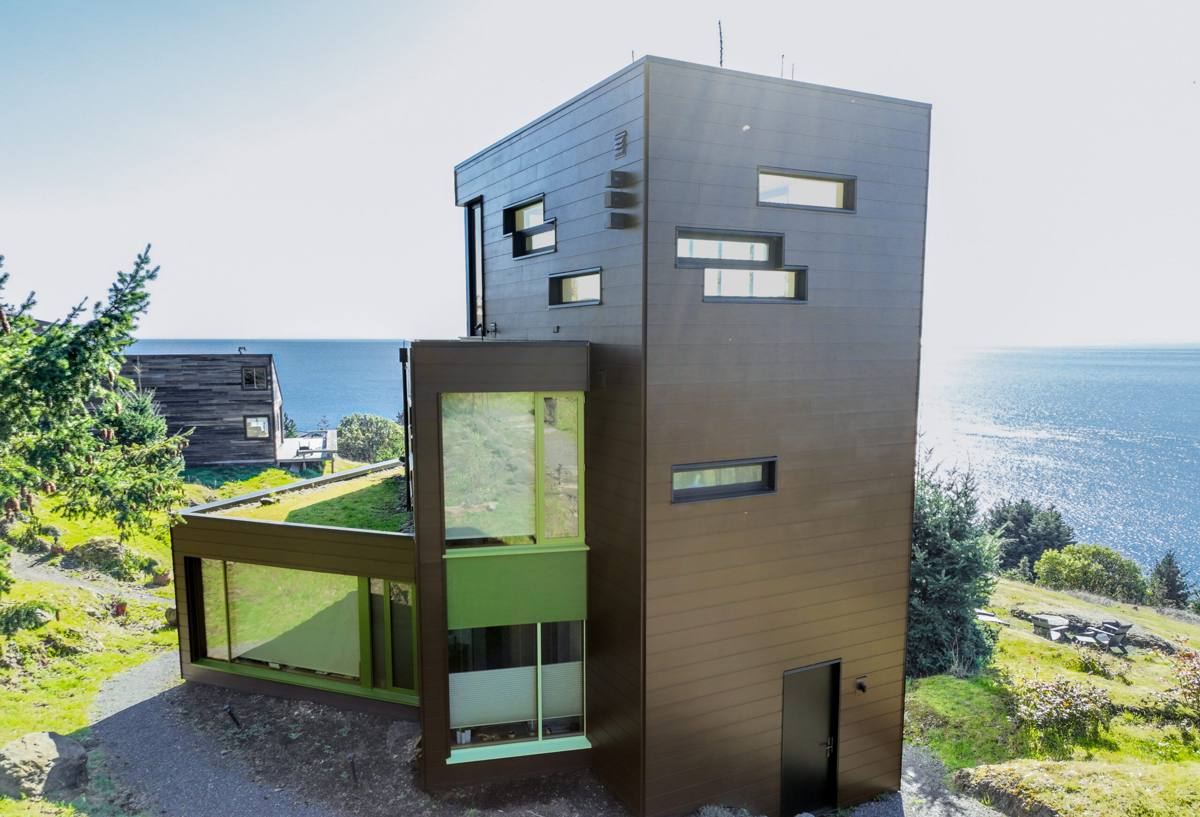
What Cherry Point's Climate Actually Does to a Window Installation
Salt Air and Corrosion
Proximity to the water means airborne salt settles on and around window frames continually, not just during storms. Over years, salt exposure accelerates corrosion on unprotected fasteners, degrades certain aluminum finishes, and can quietly eat away at flashing that isn't rated for coastal exposure. A window that would perform fine forty miles inland can show premature wear here if the hardware and flashing weren't chosen with salt exposure in mind.
Driving Rain and Wind-Driven Water
Whatcom County rain rarely falls straight down. Wind off the water pushes rain sideways against west- and south-facing walls, which means water is actively being forced at seams, sills, and the gap between the window unit and the rough opening — not just sitting there waiting to drain. If the flashing and sealant details aren't done correctly, this is exactly the condition that finds every weak point in an installation, sometimes within the first season.
Moss, Mildew, and Prolonged Dampness
A long wet season means wood trim, sills, and any organic buildup around a window stay damp for extended stretches. Moss and mildew don't just look bad — sustained moisture against wood trim or an improperly sealed sill is a slow path to rot. Homes with mature trees or north-facing exposures in Cherry Point see this most, and it's a strong argument for correct flashing and drainage over relying on caulk alone to keep water out.
What a Correct Window Installation Actually Involves
A window installation is judged almost entirely on things you can't see once the trim goes back on. The window unit itself matters, but the flashing, sealing, and integration with your home's water-resistive barrier are what determine whether that window performs for twenty years or starts leaking in three.
- Opening inspection before removal — checking the existing sill, framing, and sheathing for hidden rot or prior water damage before the old window even comes out
- Proper flashing sequence — sill pan flashing installed first, then side flashing, then head flashing, layered so water is always directed outward and downward, never trapped
- Integration with the weather-resistive barrier — the house wrap or building paper has to be cut, lapped, and taped correctly around the opening so the window becomes part of a continuous drainage plane, not an isolated patch
- Correct shimming and leveling — a window that's out of square binds, doesn't seal evenly, and stresses the frame over time
- Fastening appropriate to coastal exposure — corrosion-resistant fasteners, not whatever is cheapest, given the salt air this close to the water
- Insulation of the gap — low-expansion foam or backer rod and sealant around the perimeter, avoiding gaps that create drafts or condensation points
- Exterior sealant as a backup, not the primary defense — caulk should be the last line of defense against water intrusion, not the only one
Our Process for Cherry Point Homes
1. On-Site Assessment
We look at each opening individually — sun and wind exposure, existing trim condition, any signs of past water intrusion, and how close the home sits to open water or exposed wind lines. Two windows on the same house can need different flashing details depending on which direction they face.
2. Product Selection Based on Exposure
Not every window line is a good fit for a coastal-exposed opening. We talk through frame material, hardware finish, and glazing options honestly, including the trade-offs — some finishes handle salt air better long-term, some hardware needs more attention over time, and we'd rather tell you that upfront than let you find out in year four.
3. Removal and Opening Prep
Old windows come out carefully to avoid damaging surrounding siding or trim. If we find soft framing, rot, or evidence of a prior leak, we stop and address it before anything new goes in — sealing a window into a compromised opening just hides the problem and shortens the life of the new install.
4. Flashing and Air/Water Barrier Integration
This is the step that actually determines whether the window stays dry. We build the flashing layers in the correct order and tie them into your home's existing water-resistive barrier so water has a continuous path out, not a dead end behind the trim.
5. Install, Level, and Seal
The unit goes in shimmed square and plumb, fastened per manufacturer spec with corrosion-appropriate hardware, insulated around the perimeter, and sealed on the exterior as the final backup layer.
6. Trim and Final Check
Interior and exterior trim goes back cleanly, and we walk the opening with you before we consider the job done — operation, seal, and appearance all checked together.
Comparing Window Options for a Cherry Point Exposure
| Factor | What to Consider | Why It Matters Here |
|---|---|---|
| Frame material | Vinyl, fiberglass, wood-clad, aluminum | Salt air and prolonged damp exposure affect each material differently over time |
| Hardware finish | Standard vs. corrosion-resistant coatings | Fasteners and hinges facing salt air need finishes rated for coastal conditions |
| Glazing package | Double vs. triple pane, low-E coatings | Affects condensation resistance during long damp stretches, not just energy cost |
| Sill design | Sloped sill with integrated drainage vs. flat sill | Better shedding of wind-driven rain that collects on the sill |
| Warranty structure | Manufacturer warranty terms and what voids them | Improper installation can void coverage even on a good product — installation quality matters as much as the window itself |
Why a Crew That Already Works Cherry Point Matters
Window installation isn't a one-size-fits-all trade skill. A crew that mostly works drier, inland conditions can still do a technically competent install and still get the flashing details wrong for a coastal exposure, because they're not used to designing around wind-driven rain and salt air as a default condition. Working in Semiahmoo and the surrounding Whatcom County coastline regularly means we're not guessing at how a given opening will behave in a January storm — we've seen how these houses handle weather over multiple seasons, and we build the installation around that, not around a manual written for a different climate.
Local presence also means faster response if something does need a follow-up look. We're not scheduling a service call from across the region — we're already working in the area.
Signs Your Cherry Point Home May Need Window Attention
- Visible staining, soft spots, or discoloration on interior trim or sills below a window
- Persistent condensation between panes, which usually means a failed seal
- Drafts noticeable even with the window fully latched
- Difficulty opening, closing, or locking that wasn't there before
- Visible corrosion on hardware, hinges, or exterior fasteners
- Moss or persistent green growth building up on or directly below the sill
- Paint or trim damage concentrated around one or two specific windows rather than the whole house
Timing and Practical Considerations
Window installation can happen in most seasons, but scheduling around Whatcom County's wettest stretches — typically late fall through winter — reduces the window (no pun intended) that a rough opening sits exposed to weather during the swap. We plan installs to keep openings covered and protected for as short a time as possible, and we'll talk through timing honestly if your project isn't urgent and could benefit from a drier stretch.
Cost varies significantly based on window count, frame material, glazing package, and whether any hidden framing repair is needed once an old window comes out — we won't quote a firm number without seeing the openings, but we'll always explain what's driving the price before any work starts.
Get a Straight Answer for Your Cherry Point Home
If you're dealing with drafty, foggy, or aging windows in Cherry Point, we're glad to come take a look and give you an honest read on what's actually going on — no pressure, no inflated estimate to pad the job. Use the form below to request a free estimate, and we'll walk your openings with the same eye we'd use on our own home this close to the water.