 Semiahmoo
 Metal Roofing Built for a Waterfront Address
Homes in Semiahmoo Resort sit about as close to the weather as a house can get. The property lines that make the views worth it — open water, wind off the Strait of Georgia, salt-laden fog rolling in off the spit — are the same conditions that wear out a roof faster than they would a few miles inland in Blaine or Ferndale. A roofing system that performs well in a dry subdivision can fail early here. Metal roofing, installed correctly and with the right materials, is one of the few systems that holds up to this specific mix of salt air, driving rain, and near-constant marine moisture without constant upkeep.
This page is about one thing: what it actually takes to install and maintain a metal roof on a Semiahmoo Resort home, and why the details matter more here than they do almost anywhere else in Whatcom County.
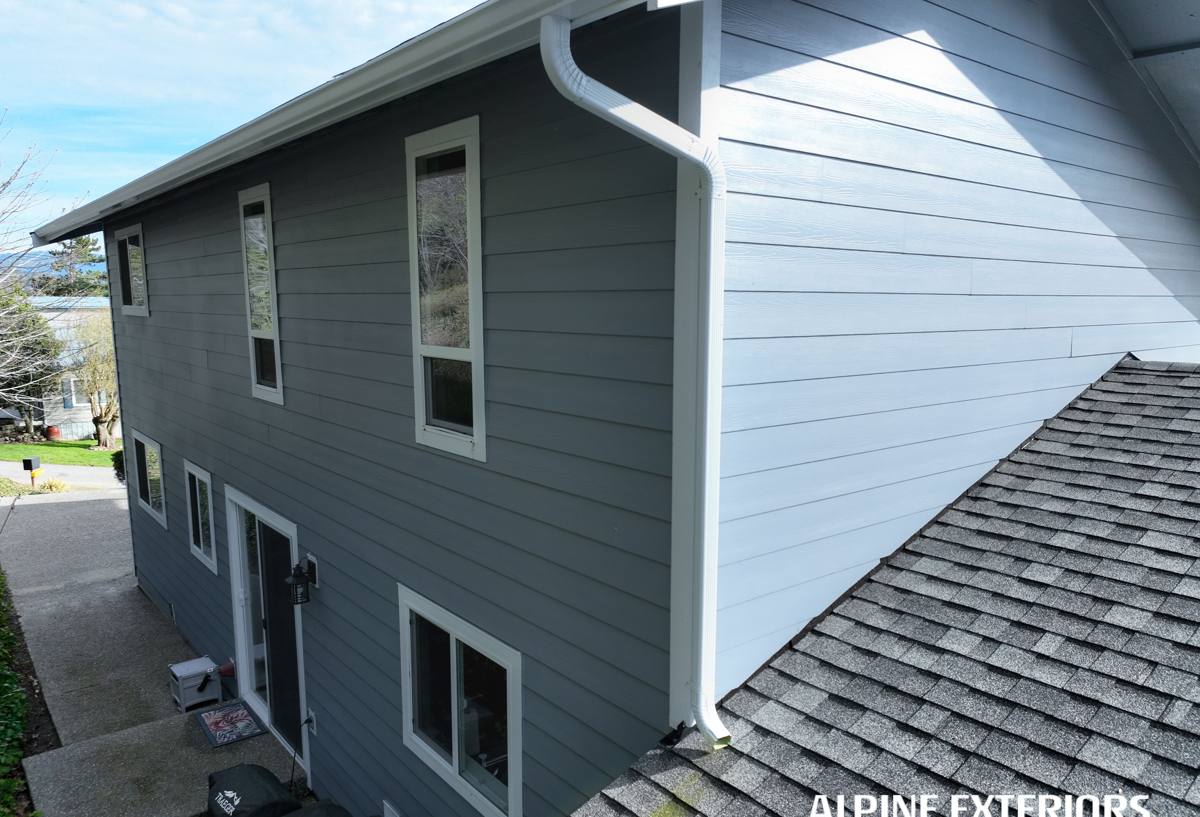
What Salt Air and Driving Rain Actually Do to a Roof
It helps to understand the specific mechanisms at work, because they drive almost every material and installation decision below.
Salt Air and Corrosion
Airborne salt is conductive and mildly corrosive. On a roof, it settles into fastener heads, seams, and any spot where two dissimilar metals touch. Left unmanaged, it accelerates rust at exposed screws, promotes galvanic corrosion where the wrong metals are paired, and slowly degrades unprotected coatings. This isn't unique to Semiahmoo, but the exposure here — open water on multiple sides, regular wind — is more constant than at a typical inland property.
Driving Rain
Wind-driven rain doesn't just fall on a roof, it pushes sideways and upward under laps, around penetrations, and into any gap in flashing. A roof that's watertight in a calm rain can still leak in a wind-driven storm off the water if the underlayment, flashing, and fastening details weren't built with that specific load in mind.
The Long Moss Season
Western Whatcom County's mild, wet winters and shaded, humid microclimates near the water give moss and algae a long growing season — often nine months or more of conditions moist enough to sustain growth. On roofing materials with texture or organic content, moss gets a foothold that traps moisture against the surface and can shorten the roof's service life. Smooth, non-porous metal panels give moss almost nothing to grip, which is one of the practical reasons metal performs so well here.
Why Metal Roofing Is a Strong Fit for This Location
Metal roofing isn't the right choice for every home or every budget, but for a Semiahmoo Resort property it lines up well with the climate on several fronts:
- Smooth panel surfaces resist moss and algae far better than shingles, shakes, or textured tile
- Properly finished steel or aluminum sheds wind-driven rain instead of absorbing it
- Correctly rated systems handle the wind uplift loads common on open, water-adjacent lots
- Factory finishes (when specified correctly) are designed to resist coastal UV and salt exposure, not just weather in general
- A well-installed metal roof typically outlasts asphalt shingle roofing by decades, which matters when the alternative is re-roofing in a difficult, weather-exposed environment more than once
None of that happens automatically just because the roof is metal. The material only performs as well as the system it's part of — panel type, metal alloy, coating, fasteners, and flashing all have to be chosen for this specific exposure.
Choosing the Right Metal Roofing System
Not all metal roofing is the same product wearing different colors. The three systems homeowners in this area typically weigh each have real trade-offs.
| System | How It's Fastened | Coastal Fit | Typical Trade-Off |
|---|---|---|---|
| Standing seam | Concealed clips, no exposed fasteners on the field | Best — no exposed screw heads for salt to attack | Higher upfront cost, more installation skill required |
| Exposed-fastener panel | Screws driven through the panel face | Workable, but fasteners need periodic inspection and eventual replacement | Lower cost, but more long-term maintenance in salt air |
| Metal shingle / shake panel | Interlocking panels, largely concealed fastening | Good — combines a traditional look with a smooth, moss-resistant surface | More seams and details than standing seam, higher labor time |
For most Semiahmoo Resort homes, we lean toward standing seam or a quality interlocking shingle panel specifically because they minimize exposed fastener points — the single most common failure point on a coastal metal roof. Exposed-fastener panel can still be a sound, budget-conscious choice on secondary structures like garages and outbuildings where the maintenance trade-off matters less.
Materials and Finishes That Actually Hold Up Near Salt Water
Steel vs. Aluminum
Both are used successfully on waterfront homes, but they behave differently. Properly coated steel is strong and cost-effective, but the coating has to be intact — any scratch or cut edge that exposes bare steel becomes a corrosion starting point in salt air. Aluminum doesn't rust, which makes it more forgiving of scratches and cut edges in direct salt exposure, though it costs more and dents more easily than steel. We'll walk through which makes sense for your specific roof, budget, and how exposed the site is to open water.
Coatings
The paint finish matters as much as the base metal. A premium PVDF (often sold under the Kynar 500 name) finish resists fading, chalking, and coastal UV degradation far longer than lower-grade polyester coatings. On a resort-area home, the finish is doing real structural work — it's the layer standing between the metal and the salt air — not just a color choice.
Fasteners and Flashing
Fastener grade is one of the most overlooked details on coastal metal roofs. Standard fasteners corrode faster in salt air than stainless or coated coastal-rated fasteners. Flashing at valleys, penetrations, and roof-to-wall transitions needs to be matched metal-to-metal — pairing incompatible metals (for example, uncoated steel flashing against aluminum panel) sets up galvanic corrosion that can eat through a component in a fraction of its expected life.
The Installation Details That Matter Most Here
A metal roof's coastal performance is decided in the details most homeowners never see once the job is done:
Underlayment
We use a high-temperature, self-adhered underlayment as a secondary water barrier under the metal, with ice-and-water-shield-grade membrane at eaves, valleys, and penetrations — the spots most likely to see wind-driven rain intrusion.
Ventilation and Condensation Control
Metal roofs are more sensitive to trapped moisture below the deck than shingles are, because condensation can form on the underside of a cold metal panel. Proper ridge and intake ventilation, plus a vented or furred-out installation where the roof design calls for it, keeps that moisture from building up in the attic or roof assembly.
Fastening and Panel Movement
Metal panels expand and contract with temperature swings. Standing seam systems use floating clips that let panels move without stressing the fasteners; getting clip spacing and fastening pattern right is what keeps a roof watertight through years of thermal cycling and coastal wind loading.
Penetration Detailing
Every vent pipe, chimney, and skylight curb is a place water is trying to find its way in. Coastal wind pressure makes sloppy penetration flashing fail faster here than it would on a calmer, inland roof.
Our Process for a Semiahmoo Resort Metal Roof
- On-site assessment — we look at the existing roof deck, current ventilation, exposure to prevailing wind and salt spray, and any moss or moisture staining already present
- System and material selection — we walk through panel type, metal, and finish options suited to your specific lot's exposure and your budget
- Deck preparation — repair or replace any compromised sheathing before underlayment goes down; a metal roof is only as good as the deck under it
- Underlayment and flashing installation — self-adhered membrane at vulnerable areas, correctly matched flashing metals throughout
- Panel installation — proper clip spacing, seam engagement, and fastener grade for the specific system chosen
- Final inspection and walkthrough — we check seams, flashing, and penetrations before calling the job complete
Maintaining a Metal Roof in This Climate
One of the practical advantages of metal is how little ongoing maintenance it needs compared with shingles or wood — but "little" isn't "none," especially this close to the water.
- Rinse off accumulated salt residue and debris once or twice a year, particularly after storms with strong onshore wind
- Keep gutters and downspouts clear so driving rain has somewhere to go instead of backing up under panel edges
- Trim back overhanging branches to reduce shade, moisture retention, and debris buildup on the roof surface
- Have fasteners and flashing on exposed-fastener systems inspected periodically, since these are the first components to show wear
- Watch for any scratched or exposed bare metal after storms and have it touched up promptly, before corrosion can start
- Schedule a professional inspection every few years even if nothing looks obviously wrong
Why Local Experience in Semiahmoo Resort Matters
A roofing crew that mostly works drier, inland neighborhoods will still know how to install metal roofing — but they may not default to coastal-grade fasteners, PVDF finishes, or the flashing details that matter specifically on an open, water-exposed lot. Working regularly in Semiahmoo Resort and along the broader Whatcom County waterfront means we've seen firsthand which details hold up to this exposure and which ones fail early, and we spec every roof accordingly rather than treating it like a standard inland install.
Resort-area homes also tend to have architectural guidelines or community aesthetic standards to work within, along with site access considerations that come with tighter lots and shared roadways. Knowing that context ahead of time keeps the project moving without surprises mid-job.
Get a Straight Answer on Your Roof
If you're weighing metal roofing for a home in Semiahmoo Resort — whether it's a full replacement or you're building new — we're happy to walk the roof, talk through system and material options for your specific exposure, and give you a clear, no-pressure estimate. Use the form below to get started.