 Semiahmoo
 Board & Batten in a Neighborhood That Sees Every Kind of Weather
Board and batten is one of the oldest siding patterns in the Pacific Northwest, and it has stayed popular in Laurel and the rest of Semiahmoo for a good reason: the strong vertical lines suit the mix of farmhouse, craftsman, and modern homes you find on this stretch of Whatcom County, and the pattern reads clean from the street without looking dressed up. But the look is only half the story. Board and batten has more seams, more joints, and more exposed edges per square foot than a standard lap profile, and in a climate that mixes salt air off the water with long stretches of driving rain, every one of those seams is a place water can get in if the material or the installation isn't right. This page is about what it actually takes to get board and batten right on a Laurel home, not just what it looks like once it's up.
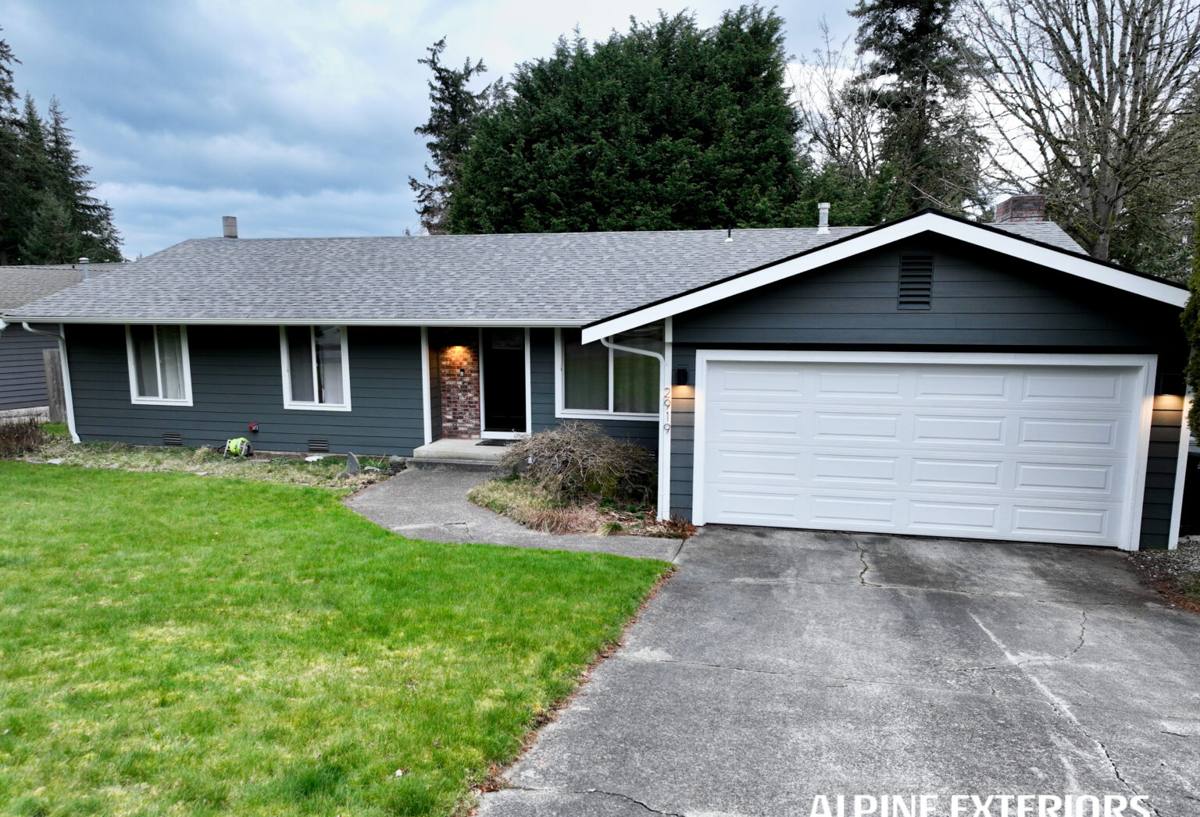
What Semiahmoo's Climate Does to This Siding Pattern
Whatcom County's marine climate is mild compared to most of the country, but "mild" doesn't mean easy on a house. Three things matter most for board and batten specifically:
- Salt air. Homes closer to the water deal with airborne salt that accelerates corrosion on fasteners, hinges, and any metal flashing that isn't rated for it. Board and batten has more exposed fastener lines than lap siding, so fastener quality isn't optional here.
- Driving rain. Wind-driven rain off the water doesn't just fall straight down — it gets pushed sideways into vertical joints and batten seams. A board and batten wall depends on the gap behind the boards and the flashing detail at every joint to move that water back out before it finds a way in.
- A long moss season. Cool, damp conditions for much of the year mean moss and algae get a real head start on any siding that stays wet or holds moisture at the surface. Board and batten's vertical battens create horizontal ledges at trim and window heads where debris and moisture like to sit if those areas aren't detailed correctly.
None of this means board and batten is a bad choice for Laurel — it's a good one, when the material and the installation both account for what the site sees every winter.
Why the Material Choice Matters More on This Pattern
Board and batten forces a decision that lap siding doesn't: what are the boards and battens actually made of, and how will that material hold up at all those extra seams and butt joints? This is where we're direct with Laurel homeowners about our standard. We install James Hardie fiber cement exclusively — we don't install LP SmartSide, vinyl, Cemplank, Allura, primed spruce, or cedar board and batten, even though all of those products are sold locally and some contractors will install any of them.
The short version of why: board and batten multiplies the number of joints, cut ends, and fastener penetrations on a house, and those are exactly the spots where wood-based and engineered-wood products are most vulnerable to swelling, splitting, and moisture intrusion over time. Vinyl board and batten is lightweight and low-cost, but it flexes and gaps at the battens in wind, and it doesn't hold paint if a homeowner ever wants to change the color. Cedar looks the part but needs re-staining or re-sealing on a real schedule to keep salt air and rain from working into the grain, especially at cut edges. Fiber cement doesn't rot, doesn't feed moss the way wood fiber can, and its factory-applied finish covers the cut edges when they're primed and caulked correctly at installation — which is a detail we treat as non-negotiable, not optional.
We're not going to tell you every other product is worthless — LP SmartSide and cedar both have real strengths and long track records when maintained. But we've made a professional call to build our business around one system we can stand behind on every seam, in every climate we work in, including the wetter, saltier edge of the county. That system is James Hardie.
What James Hardie Board & Batten Actually Is
Hardie's board and batten system pairs vertical fiber cement panels with separate trim battens (or uses a reveal-panel product that mimics the look with fewer field seams), finished in ColorPlus — a baked-on factory finish that's more consistent and more fade- and chip-resistant than field-applied paint. The panels are engineered in Hardie's HZ5 formulation for moderate, moisture-heavy climates like ours, which is a meaningfully different product than the version sold in drier or harsher-freeze regions of the country.
What a Correct Installation Actually Involves
A board and batten job can look identical from the curb whether it was done right or done fast. The difference shows up in five to ten years, not on day one. Here's what we treat as mandatory on every Laurel installation:
- A drainage gap behind the siding. Board and batten needs a rain screen or furring strip system so any water that gets past the surface has somewhere to go besides the sheathing. This is the single biggest factor in whether a wall stays dry over the long term in a driving-rain climate.
- Correct fastener spec. Corrosion-resistant fasteners, placed and spaced to Hardie's published guidelines — not whatever's in the nail gun. This matters more here than in a drier inland climate because of the salt air.
- Flashed and sealed joints. Every butt joint, every batten-to-panel seam, and every point where the siding meets a window, door, or roofline gets flashed or sealed to shed water outward, not trap it.
- Factory-cut edges kept factory-finished. Field cuts get primed and sealed before installation, so no raw fiber cement edge is left exposed to weather.
- Proper clearance at grade and hard surfaces. Board and batten run too close to soil, decking, or a walkway will wick moisture and hold it — a detail that's easy to get wrong and expensive to fix later.
Skipping any one of these doesn't usually cause a problem in year one. It shows up as staining, soft spots, or paint failure a few winters in, after the crew that installed it is long gone.
Our Process for a Laurel Board & Batten Project
We walk every Laurel project the same way, regardless of how straightforward the house looks:
- On-site assessment of the existing wall — what's under the current siding, whether there's hidden moisture damage, and what the drainage plane needs before anything new goes up.
- A written scope that spells out reveal width, batten spacing, trim size, and color before any material is ordered, so there's no ambiguity about what's being installed.
- Full removal of old siding rather than installing over it — board and batten depends on a flat, properly prepared substrate and a real rain screen gap, which you can't guarantee over an existing wall.
- Installation to Hardie's fastening, flashing, and clearance specifications, not a generalized "siding install."
- A final walk-through that covers caulking, touch-up, and what maintenance, if any, the homeowner should expect going forward.
Cost Factors for Board & Batten in This Area
Every house is different, but these are the variables that move the price on a Laurel board and batten project the most:
| Factor | Why It Matters |
|---|---|
| Home size and number of stories | More wall area and taller walls mean more material, more labor, and more staging and access work. |
| Condition of the existing wall | Hidden rot or moisture damage found during tear-off adds repair scope before new siding can go up. |
| Batten spacing and reveal width | Narrower reveals use more linear feet of batten and more fasteners and joints per square foot. |
| Trim and corner detailing | Custom corner boards, window trim, and fascia detail add labor even when the field siding is straightforward. |
| Color and finish | Factory ColorPlus finishes in standard colors are the most cost-efficient; custom field-painted finishes add cost and future maintenance. |
| Site access | Tight lots, slopes, and limited staging area on some older properties affect labor time. |
Maintenance Checklist for Board & Batten Homes Near the Water
Fiber cement board and batten is low-maintenance compared to wood, but "low-maintenance" isn't "no-maintenance" in a climate that grows moss on everything left damp for long. A short annual routine keeps a correctly installed system performing for decades:
- Rinse the siding once or twice a year to clear salt residue and organic buildup before moss gets established, especially on north-facing or shaded walls.
- Check caulking at trim, window, and door joints for cracking or separation and have it renewed before gaps open up.
- Keep gutters and downspouts clear so runoff isn't sheeting down the wall face during heavy rain events.
- Trim back landscaping that shades the siding or holds moisture against it.
- Look at batten seams and cut ends after storms for any sign of impact damage or exposed unfinished edges.
Why a Crew That Already Works Laurel Makes a Difference
Board and batten forgives almost nothing when it's installed by someone unfamiliar with what this stretch of coast does to a house over a winter. A crew that already works Semiahmoo and the rest of Whatcom County knows which walls take the worst of the driving rain, where salt exposure runs highest, and how much drainage detail a given site actually needs versus the bare minimum code requires. That local pattern recognition is the difference between a board and batten wall that still looks sharp in fifteen years and one that needs premature repair. It also means straightforward answers about permitting and inspection expectations in the county, without a learning curve at your expense.
If you're weighing board and batten for a Laurel home, we're happy to walk the property, look at what's there now, and give you a straight, no-pressure estimate for doing it right with James Hardie. Use the form below to get started.