 Semiahmoo
 Why Roofs Take a Beating in Drayton Harbor
Homes around Drayton Harbor sit close enough to the water that salt-laden air is a daily fact of life, not an occasional nuisance. That air works on a roof in ways an inland home never has to deal with: it accelerates corrosion on exposed metal fasteners, flashing, and vent stacks, and it settles into granules and seams where moisture likes to linger. Add Whatcom County's long, wet winters and the wind-driven rain that comes off the harbor at an angle instead of straight down, and you have a roof system that's under more sustained stress than the manufacturer's warranty paperwork usually accounts for.
Then there's moss. This part of Washington has a moss season that can run most of the year in shaded, north-facing sections of a roof, and it's not just a cosmetic issue. Moss holds water against the roofing material, lifts shingle edges as it grows, and shortens the life of whatever is underneath it. A roof replacement done right for a Drayton Harbor home has to plan for all three of these factors at once — salt, rain, and moss — not just swap old material for new and hope for the best.
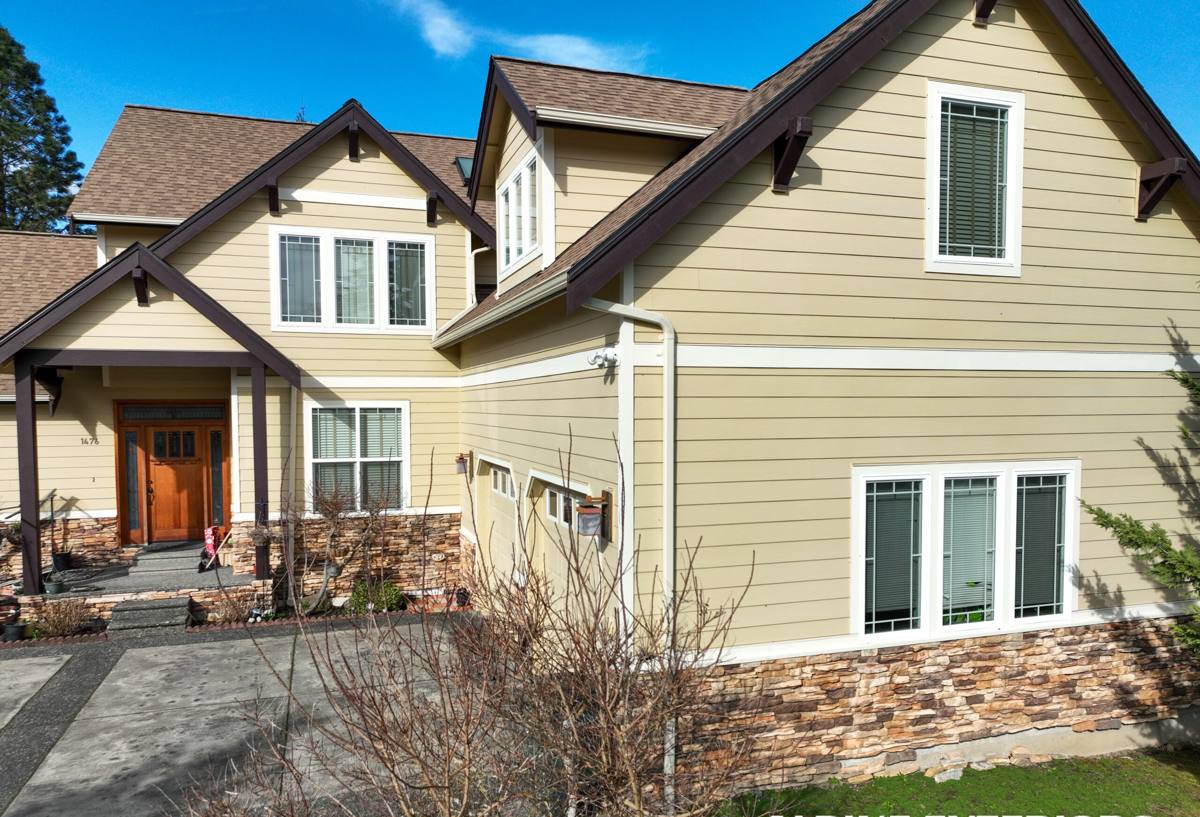
Signs a Drayton Harbor Roof Has Reached the End of Its Life
Not every roof problem calls for a full replacement, and a straight answer on that is part of an honest estimate. But there are signs that reliably point past repair territory, especially on roofs that have already weathered fifteen-plus years this close to the water:
- Granule loss heavy enough that you can see it collecting in gutters or at downspout outlets
- Shingles that are cupping, curling, or cracking, particularly on south and west-facing slopes
- Soft or spongy decking felt underfoot during an inspection, a sign moisture has already reached the sheathing
- Moss that keeps returning within a season or two of cleaning, even after treatment
- Rust staining or visible corrosion around flashing, vent boots, and nail heads
- Daylight visible through the roof deck from inside the attic, or damp insulation below the roofline
If you're seeing two or more of these at once, patch repairs are usually a short-term fix on a roof that's already failing systemically. That's worth saying plainly rather than stringing a homeowner along with repeated repair visits.
What a Correct Roof Replacement Actually Involves
Tear-Off and Deck Inspection
A proper replacement starts with a full tear-off to bare decking, not an overlay. Overlaying new shingles on top of old ones traps moisture, hides deck damage, and voids most manufacturer warranties outright. Once the old material is off, the deck gets inspected board by board. Any panel that's soft, delaminated, or water-stained gets replaced before anything new goes down — skipping this step is the single most common shortcut that leads to early failure on homes in wet coastal climates like this one.
Underlayment and Water Protection
Given how much wind-driven rain this area sees, underlayment choice matters more here than in drier parts of the state. Synthetic underlayment across the full roof, with self-adhering ice-and-water membrane at eaves, valleys, and around penetrations, gives the roof a real second line of defense if wind ever pushes water up under the shingle edge — which it will, eventually, on a harbor-facing slope.
Flashing and Fasteners
This is where salt air does the most quiet damage. Standard galvanized fasteners and flashing can start showing corrosion well before the roofing material itself is due for replacement. Stainless steel or high-corrosion-resistance fasteners and flashing cost more up front but hold up far longer this close to the water, and they're a detail worth asking about directly when you're comparing bids.
Choosing a Roofing Material for Salt Air and Moss
There's no single "best" roofing material for every home — it depends on budget, roof pitch, how much shade the property gets, and how long you plan to own the home. Here's how the common options actually perform under Drayton Harbor's conditions:
| Material | Moss Resistance | Salt Air Durability | Maintenance | Typical Lifespan |
|---|---|---|---|---|
| Architectural asphalt shingle | Moderate (better with algae-resistant granules) | Good with coated fasteners/flashing | Periodic moss treatment on shaded slopes | 25–30 years |
| Standing seam metal | High — sheds moisture, little for moss to hold onto | Very good with proper coating/finish | Low; occasional fastener/seam check | 40–50+ years |
| Cedar shake | Low without diligent upkeep | Moderate; needs regular treatment near salt air | High — regular cleaning and treatment required | 20–30 years with upkeep |
| Synthetic/composite shingle | Moderate to high depending on product | Good | Low to moderate | 30–50 years |
For a lot of Drayton Harbor homes, an architectural shingle with algae-resistant granules is a sound, cost-effective choice when the roof gets reasonable sun exposure. On heavily shaded lots or homes closer to the shoreline, metal roofing's ability to shed moisture and resist moss buildup often justifies the higher upfront cost over the life of the roof. We'll walk through the honest trade-offs for your specific roof rather than pushing one product across the board.
Ventilation and Moisture Control
A roof replacement that ignores attic ventilation is only half a job. In a climate this wet, trapped moisture in the attic condenses on the underside of the decking, which rots sheathing from the inside out — often long before the shingles above it show any sign of trouble. Balanced intake at the soffits and exhaust at the ridge keeps air moving and moisture from settling. If your current attic feels damp or musty, or you've noticed dark staining on the underside of the roof deck, that's a ventilation problem a replacement should correct, not just cover up with new shingles.
Gutters, Flashing, and the Details That Fail First
On a harbor-adjacent property, the small metal details usually fail before the main roofing material does. Valley flashing, step flashing at chimneys and walls, and vent boot seals take the brunt of wind-driven rain and salt exposure. Gutters clogged with moss and debris back water up under the eave line, which is one of the more common causes of hidden rot we find on tear-offs in this area. Part of a correct replacement is resizing or repositioning gutters where needed, sealing every penetration properly, and using flashing rated to hold up to salt exposure rather than the cheapest option on the supply list.
Our Roof Replacement Process
Here's what to expect when you work with us on a Drayton Harbor home, start to finish:
- On-site inspection of the current roof, attic, and ventilation, with photos and a plain-language explanation of what we find
- A written estimate that breaks down material options, labor, and any deck repair contingencies — no vague lump-sum guessing
- Scheduling around weather windows, since we won't install underlayment or shingles in conditions that compromise the seal
- Property protection — tarps, lawn and landscaping coverage, and magnetic sweeps for stray nails before we leave
- Full tear-off, deck inspection and repair, then underlayment, flashing, and ventilation work
- Installation of the new roofing material to manufacturer specifications, including proper fastener patterns for wind exposure
- Final walkthrough with you, covering warranty paperwork and basic maintenance expectations for the moss season ahead
Why Hire a Crew That Already Works Drayton Harbor
A roofing crew that mostly works inland jobs isn't automatically wrong for a coastal home, but they're often guessing at things a local crew already knows cold: which fastener grade actually holds up here, how a given roof orientation catches wind off the harbor, which slopes stay shaded long enough to grow moss year-round, and what Whatcom County's permitting and inspection process looks like for a full tear-off. That familiarity shows up in fewer surprises during the job and a roof that's built for the conditions it's actually going to face, not a generic specification sheet.
Roof Replacement Checklist for Drayton Harbor Homeowners
Before you sign a contract with anyone, coastal home or not, make sure these items are addressed in writing:
- Full tear-off to bare decking is specified — not an overlay
- Deck repair or replacement is priced as a contingency, not a surprise add-on later
- Underlayment type and ice-and-water shield placement are specified by name
- Fastener and flashing material is specified, including corrosion resistance rating
- Attic ventilation is assessed and addressed, not just the shingles
- Gutter condition and flashing at valleys, chimneys, and walls are included in scope
- Manufacturer warranty terms and workmanship warranty are both in writing
- Cleanup and nail sweep are explicitly included
If a bid is missing several of these, it's worth asking why before you compare it on price alone.
If your roof is showing its age or you just want an honest read on how much life it has left, we're happy to take a look. Fill out the form below for a free, no-pressure estimate on your Drayton Harbor home.