 Semiahmoo
 Why Metal Roofing Makes Sense in California Creek
Homes in California Creek sit close enough to Semiahmoo Bay and the open water of the Salish Sea that the weather here plays by different rules than it does even a few miles inland. Salt-laden air moves through constantly, rain comes in sideways more often than straight down, and the wet season stretches long enough that moss gets a real foothold on anything that stays damp too long. Asphalt shingles were never designed with that combination in mind — they absorb moisture, they're a moss magnet, and their granules erode faster under wind-driven rain. Metal roofing was built for exactly this kind of exposure, which is why we install more of it here than almost anywhere else we work in Whatcom County.
This page focuses specifically on metal roofing for California Creek properties — what the local climate actually does to a roof, what a correct installation looks like, and how we run the job from first call to final walkthrough. If you're comparing metal to a shingle re-roof, this is the information you need to make that call with your eyes open.
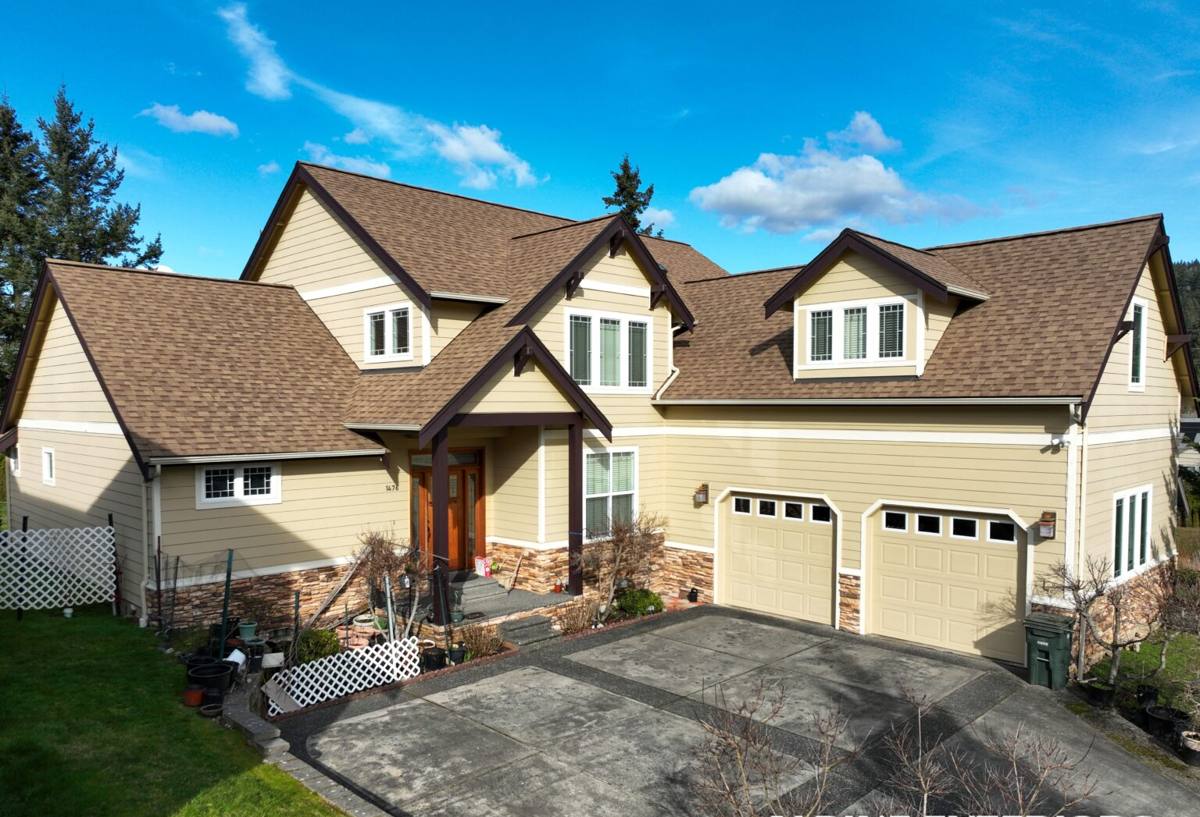
What the Local Climate Does to a Roof
Salt Air and Corrosion
Airborne salt is the single biggest factor we design around this close to the water. It settles on every exposed surface and accelerates corrosion on anything that isn't properly coated or the wrong metal for the environment. This isn't unique to California Creek, but the proximity to the bay means the effect is stronger and more constant than it would be a few miles inland. It's a major reason we're picky about the panel finish and fastener hardware we spec for jobs out here — cutting corners on coating quality shows up as rust streaks and fastener failure years before it should.
Driving Rain and Wind-Driven Moisture
Storms off the water don't just drop rain straight down — wind pushes it sideways and up under laps, flashing edges, and anywhere a seam isn't sealed correctly. A roof that would perform fine in a calmer inland setting can leak here if the underlayment, flashing details, and seam design aren't built for wind-driven moisture specifically. This is where a lot of roofing problems in this area actually originate — not from a failed panel, but from a detail around a chimney, skylight, or wall transition that wasn't built to handle rain coming from the side.
The Long Moss Season
Whatcom County's wet season runs long, and shaded, north-facing, or tree-covered roof sections stay damp for extended stretches. Moss doesn't just look bad — on shingles it lifts edges and holds moisture against the roof deck. Metal roofing gives moss far less to grab onto, especially with a smooth factory finish and properly lapped seams, which is one of the practical maintenance advantages homeowners notice within the first year or two.
Metal Roofing Systems: What We Recommend and Why
Not all metal roofing is the same product wearing different colors. The panel style, the metal itself, and the coating all affect how the roof performs in a salt-air, high-rainfall environment. Here's how the common options compare for a California Creek home:
| System | Best for | Coastal durability | Trade-offs |
|---|---|---|---|
| Standing seam (concealed fastener) | Most homes near the water | Excellent — no exposed fasteners to corrode or back out | Higher material and labor cost, needs a skilled installer |
| Exposed-fastener corrugated/ribbed panel | Outbuildings, budget-conscious re-roofs | Good, but fastener seals and washers are a long-term maintenance item | Fasteners need periodic inspection; visible screw heads |
| Stone-coated steel | Homes wanting a shake or tile look | Good, coating protects the steel base | More installation detail work around the coating layer |
For most California Creek homes, we lean toward standing seam. There are no exposed fasteners for salt air to attack over the decades, the panel seams are mechanically locked or field-seamed rather than relying on a sealant that eventually dries out, and it handles wind-driven rain better than exposed-fastener systems because there's no penetration through the panel face itself.
On the metal and coating side, we typically spec steel or aluminum with a high-quality PVDF (Kynar-type) finish over cheaper polyester coatings for anything this close to the water. PVDF holds its color and chalk resistance far longer under UV and salt exposure. It costs more up front, but on a coastal roof the coating is doing a lot of the corrosion-fighting work, and it's not a place we cut back to save a few dollars — that's our standard for jobs in this area, not a sales pitch for the priciest option available.
What a Correct Metal Roof Installation Actually Involves
Deck Prep and Underlayment
Before a single panel goes down, we check the deck for soft spots, rot, or old fastener damage from a prior roof — a common find on older California Creek homes that have been through several re-roofs. A high-temp synthetic or ice-and-water underlayment goes down next, with extra attention to eaves, valleys, and any low-slope section where wind-driven rain is most likely to test the roof.
Fastening and Seam Work
On standing seam roofs, panels are mechanically seamed or snapped together with concealed clips, which lets the metal expand and contract with temperature swings without stressing the fasteners. On exposed-fastener systems, screw placement, torque, and washer seating all matter — an overdriven or underdriven screw is one of the more common causes of a slow leak on this style of roof.
Flashing and Penetrations
Chimneys, vent pipes, skylights, and wall-to-roof transitions are where most roof leaks actually start, metal or otherwise. Custom-formed flashing, correctly lapped and sealed for wind-driven rain rather than just straight-down rain, is non-negotiable on a job out here.
Ventilation
A metal roof still needs a properly ventilated attic underneath it. Good intake and exhaust airflow keeps moisture from condensing on the underside of the deck, which matters just as much in this humid, wet climate as keeping rain out from above.
Our Process for California Creek Projects
- On-site inspection. We walk the existing roof, check the deck, note wind exposure and any tree cover, and look at how the current roof has handled moss and moisture over time.
- System and material selection. Based on that inspection, we recommend a panel type and coating suited to the home's exposure — not a one-size-fits-all package.
- Written estimate. A clear scope and price before any work starts, with material and labor broken out so you know what you're paying for.
- Tear-off and deck prep. Old roofing removed, deck inspected and repaired as needed, underlayment installed.
- Installation. Panels, flashing, and trim installed to manufacturer spec and built for wind-driven rain, not just a dry-day install.
- Final walkthrough. We go over the finished roof with you, confirm everything meets the agreed scope, and cover warranty paperwork and basic care.
Maintenance in a Marine Climate
Metal roofing is low-maintenance compared to shingles, but "low" isn't "none" this close to the water. A short annual check keeps small issues from becoming expensive ones:
- Rinse accumulated salt film off the roof surface once or twice a year, especially after long dry stretches followed by wind events
- Clear debris from valleys, gutters, and any low-slope sections where standing water or organic buildup can collect
- On exposed-fastener systems, check that screws and washers are still seated tight and not backing out or showing rust at the head
- Inspect flashing around chimneys, vents, and skylights for any lifted edges or failed sealant
- Look for early moss or algae growth on shaded, north-facing sections and address it before it spreads
- After major storms, do a quick visual check for any dented, lifted, or displaced panels
What Metal Roofing Costs in This Area — and What Drives the Price
Metal roofing costs more upfront than asphalt shingles, but it lasts substantially longer and needs far less attention along the way. Actual pricing depends on your roof, but these are the main factors that move the number:
| Factor | Why it matters |
|---|---|
| Panel type | Standing seam costs more than exposed-fastener corrugated panel, largely due to labor and specialized tooling |
| Roof pitch and complexity | Steep roofs, multiple valleys, and dormers all add labor time and material waste |
| Tear-off vs. overlay | Removing old roofing and repairing the deck costs more than covering in place, but it's the right call on most re-roofs |
| Coating quality | PVDF finishes cost more than polyester but hold up significantly longer in salt air |
| Accessories | Snow guards, custom chimney flashing, and specialty trim add to the total but protect the investment |
We won't quote a number without seeing the roof — anyone who does is guessing. What we can tell you honestly is that a well-installed metal roof in this climate is usually the cheaper option over a 30-40 year horizon once you factor in how often shingles need attention or replacement out here.
Why Hiring a Crew That Already Works in California Creek Matters
A metal roof is only as good as its flashing, fastening, and seam details — and those details need to be built for this specific climate, not a generic install. A crew that regularly works California Creek and the surrounding Semiahmoo Bay area already knows which roof sections take the worst of the wind-driven rain, how fast salt air ages an under-spec coating, and where moss tends to establish first on a shaded roof. That local pattern recognition is the difference between a roof that just meets code and one that's actually built for the conditions it has to survive every winter.
It also matters for permitting and inspection — knowing the local requirements and building department expectations means fewer surprises and delays on your project.
If you're weighing metal roofing for a California Creek home, we're happy to take a look and give you a straight assessment — no pressure, no sales script. Fill out the form below for a free estimate.