 Semiahmoo
 New-Construction Windows: A Different Job Than Replacement
When a home is framed and open to the weather, the windows go in as part of the building envelope — not dropped into an existing opening. That's the core difference between new-construction windows and replacement windows, and it's why the two jobs are priced, sequenced, and detailed differently. New-construction windows have a nailing fin that gets integrated with the house wrap and flashing before siding ever goes on. Get that sequence wrong, and the mistake gets buried behind trim and siding for the life of the house.
In Sumas and the surrounding Semiahmoo and Whatcom County area, that sequencing matters more than in drier climates. We get long stretches of driving rain, humid air off the water, and a moss season that can run most of the year on shaded north and west walls. Windows and the flashing details around them are one of the first places moisture problems show up if the install was rushed.
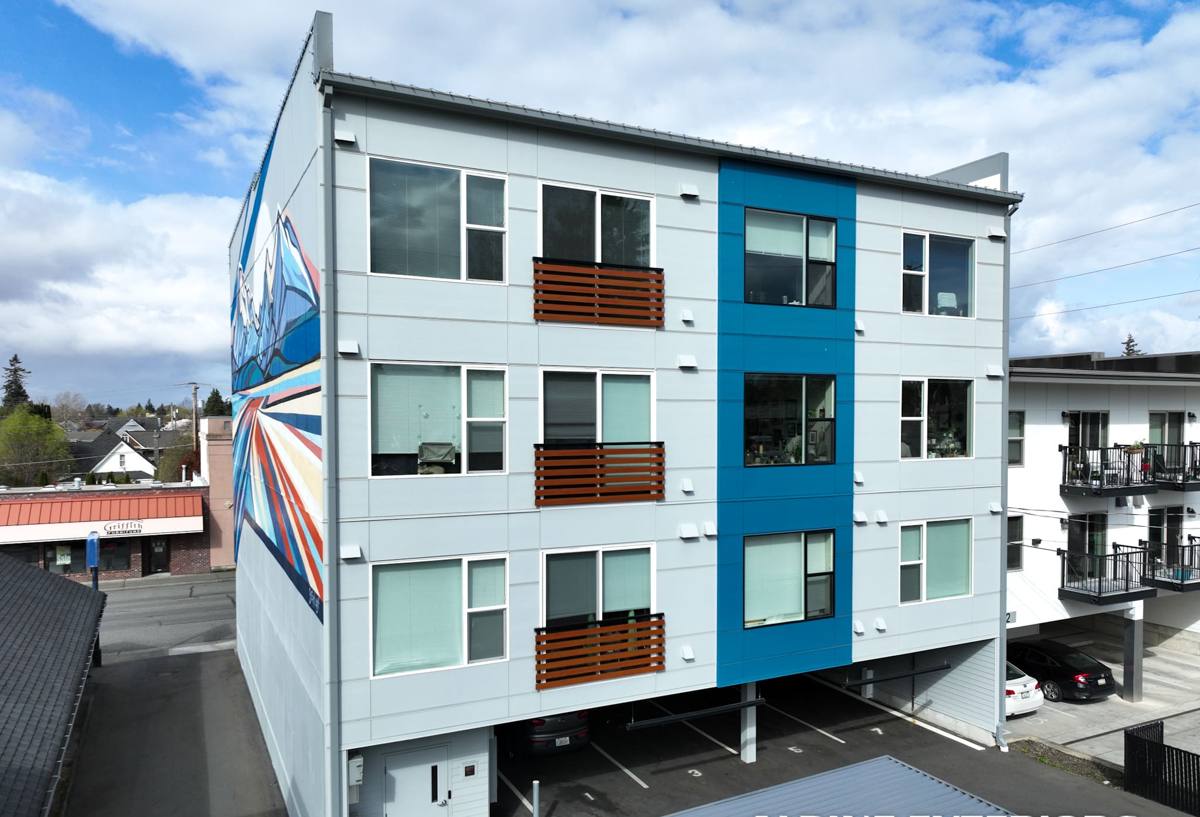
What Local Homes Need From New-Construction Windows
Whatcom County's weather isn't extreme in temperature, but it's relentless in moisture. Homes here deal with:
- Wind-driven rain that pushes water sideways and upward under trim, not just straight down
- Salt-laden air that accelerates corrosion on cheap hardware, screws, and unprotected fasteners
- Long wet seasons where framing and sheathing can stay damp for weeks if flashing details don't shed water properly
- Moss and algae growth on shaded elevations, which holds moisture against trim and sills longer than direct sun exposure would
None of this means you need exotic materials. It means the flashing, sealant choices, and fastener quality have to match the climate — and the crew installing them needs to actually understand water management, not just "get the window in the hole."
Why This Matters More on New Construction
On a replacement job, the existing wall assembly is already proven — you're generally matching what's there. On new construction, you're building the water management system from scratch: house wrap laps, flashing tape, sill pans, and the window itself all have to work together as one system. If any layer is installed out of sequence, water finds the gap. On a new build in a wet climate like ours, that mistake doesn't show up for a year or two — by which time it's inside the wall cavity.
What a Correct Installation Actually Involves
A properly installed new-construction window isn't just "level, plumb, and screwed in." The sequence matters as much as the window itself:
- Rough opening check — confirmed square, plumb, and sized correctly to the window's actual dimensions before anything else happens
- Sill pan flashing — a sloped, sealed pan under the opening so any water that gets past the window has somewhere to go besides the framing
- Weather-resistive barrier integration — house wrap cut and lapped in the correct shingle-style order so water sheds down and out, never into a seam
- Flashing tape at jambs and head — applied in the right order (sides before top) so every layer overlaps the one below it
- Setting the window — shimmed square and plumb, fastened through the nailing fin per the manufacturer's schedule, not just at the corners
- Sealant at the right layer — backer rod and sealant on the interior air seal, and a deliberate gap (not caulk) at the exterior weep points so trapped moisture can escape
- Head flashing — installed last, lapping over the house wrap above the window so water is directed out and away
Skip or reorder any of those steps and the window can look perfect from the outside while sitting on a compromised water path. This is the part that separates a crew that's done hundreds of these in wet coastal climates from one that hasn't.
Materials: Matching the Window to the Climate
For new construction in Sumas and the broader Semiahmoo area, we typically steer homeowners toward vinyl or fiberglass frames with corrosion-resistant hardware. Wood-clad windows can look great, but the maintenance burden in a climate with this much sustained moisture and moss pressure is real — any breach in the cladding gives water a path into wood that stays damp far longer than it would in a drier region. We're honest about that trade-off upfront rather than letting a homeowner discover it five years in.
| Frame Material | Moisture Resistance | Maintenance | Typical Fit |
|---|---|---|---|
| Vinyl | Excellent — won't rot or corrode | Low — occasional cleaning | Most budgets, standard new builds |
| Fiberglass | Excellent — very stable in wet/cold swings | Low | Higher-end builds, larger openings |
| Aluminum-clad wood | Good if detailing is perfect | Moderate to high | Design-driven projects with maintenance budget |
| Bare wood | Fair — needs vigilant upkeep | High — refinishing on a schedule | Historic or period-specific homes |
Glass packages matter too. In this climate, a good low-E, argon-filled dual-pane unit handles both our mild-but-damp winters and the condensation risk that comes with high humidity and temperature swings between inside and outside air.
Our Process for New-Construction Window Installs
We work directly with builders and homeowners in the Semiahmoo and greater Whatcom County area, and we treat the window install as part of the building envelope, not an isolated task.
Step by Step
- Plan review — we check window schedules, rough opening sizes, and flashing details against the actual products being installed
- Pre-install walkthrough — verifying house wrap is in place and rough openings are ready before windows arrive on site
- Sill pan and flashing installation — done to a consistent sequence on every opening, not left to individual judgment call
- Window setting — shimmed, squared, and fastened to manufacturer spec
- Final flashing and integration — head flashing and house wrap tie-in completed before siding crews move in behind us
- Documentation — photos of flashing details before they're covered, so there's a record of what's behind the wall
That last step matters more than people expect. Once siding goes on, nobody can see the flashing work again. Having it documented protects the homeowner and the builder both.
Common Mistakes We See on New Builds
We get called in occasionally to correct issues on new-construction work that wasn't installed by us, and the pattern is usually the same:
- Flashing tape applied top-to-bottom instead of bottom-to-top, so laps direct water inward instead of out
- Caulk used at exterior weep points instead of leaving them open, trapping moisture inside the sill
- Nailing fins fastened only at the corners instead of the full schedule, leaving the window prone to flexing in wind
- House wrap cut in large X-patterns without proper corner flashing, leaving a gap right at the most stressed part of the opening
Every one of these is invisible once trim and siding are on. That's exactly why the crew doing this work needs to know what they're doing the first time — there's no easy way to inspect it later without opening the wall.
Why Hiring a Crew That Works This Area Matters
Window installation standards are largely universal, but the judgment calls — how much lap on the flashing tape, what sealant to use where, how to handle a shaded north wall that stays damp longer — come from experience with this specific climate. A crew that mostly works drier inland regions may use details that are fine there and marginal here. We work new construction and siding projects throughout the Semiahmoo and Whatcom County area regularly, so we're applying the same weather-tested details on every job, adjusted for each home's exposure and orientation.
Cost Factors on New-Construction Window Jobs
| Factor | Why It Affects Cost |
|---|---|
| Window count and size | More openings and larger units mean more material and labor per house |
| Frame material | Vinyl is typically most affordable; fiberglass and clad-wood cost more upfront |
| Glass package | Upgraded low-E coatings or triple-pane glass add cost but improve comfort and efficiency |
| Wall complexity | Custom shapes, tall openings, or multi-story scaffolding add labor time |
| Flashing and weatherproofing detail | Doing it right takes more time than a quick set-and-caulk job — that time is part of the price |
We give straightforward, written estimates broken out by these factors so you can see where the money is going, rather than a single lump number.
A Simple Checklist for Homeowners and Builders
- Confirm rough openings are checked for square and correct size before windows arrive
- Ask what sill pan flashing method will be used, and in what order the layers go on
- Confirm weep points at the sill won't be sealed shut with caulk
- Ask for photos of flashing details before siding covers them
- Match frame material to how much long-term maintenance you're willing to take on
- Get the fastening schedule in writing — full-perimeter fastening, not just corners
If you're building new or planning window work in Sumas, Semiahmoo, or elsewhere in Whatcom County, we're happy to walk the plans or the site with you and explain exactly how we'd handle the flashing and installation for your home's exposure. There's a free, no-pressure estimate form below — reach out and we'll go from there.