 Semiahmoo
 Windows Built for This Corner of Whatcom County
Homes around Lynden and the broader Semiahmoo area deal with a specific combination of weather that most window installers never have to think hard about: salt-laden air drifting in off the water, long stretches of driving rain, and a moss season that seems to start earlier and last longer every year. None of that is exotic or unmanageable, but it does mean a window install that would hold up fine in a dry inland climate can fail here in a fraction of the time if it's not detailed correctly. Custom windows aren't just about matching an odd-sized opening or getting a specific grid pattern — they're about getting the flashing, sealants, and frame material right for a house that's going to sit through decades of wet Whatcom County winters.
We install custom windows specifically for homes in this area, which means we're not guessing at what the climate does to a window system over time. We see it on tear-outs regularly: swollen sashes, corroded hardware, sills gone soft from years of water finding a way in around a poorly flashed frame.
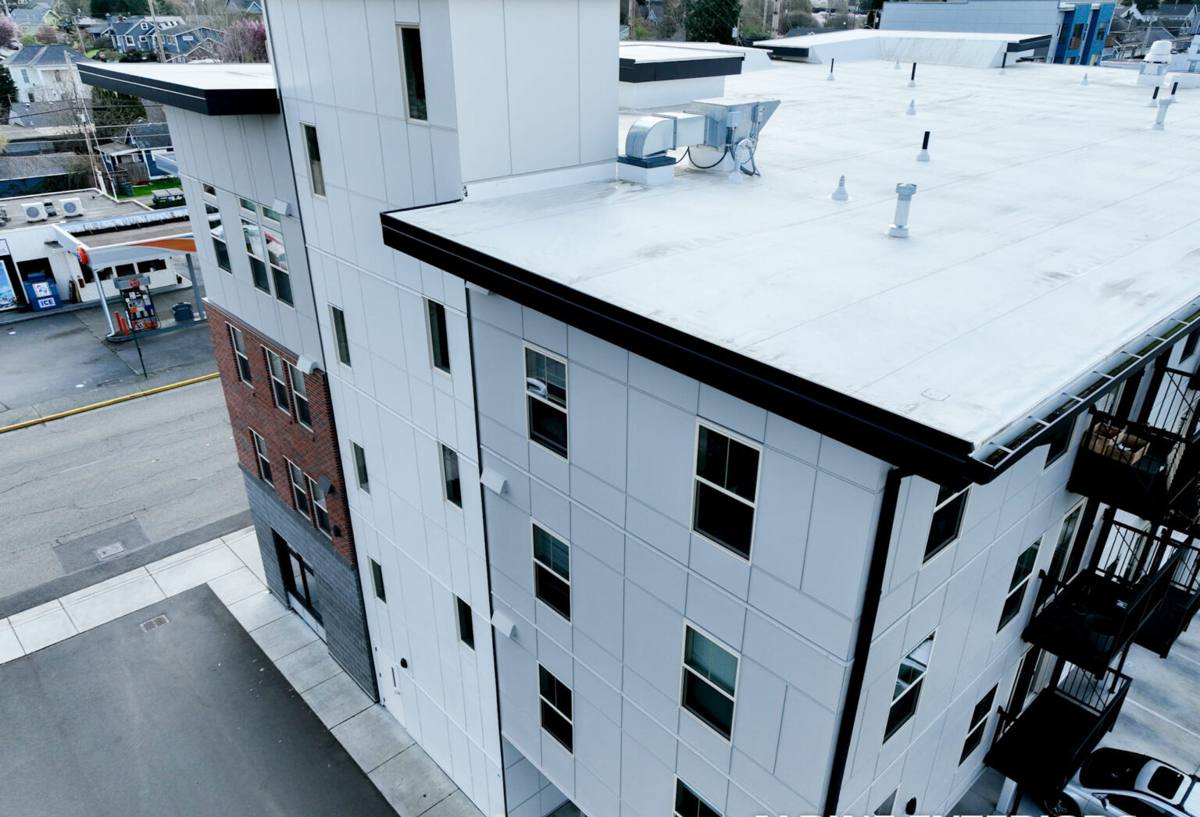
What Lynden-Area Homes Actually Need From a Window
Salt Air and Hardware Corrosion
Proximity to salt water accelerates corrosion on anything metal — hinges, cranks, locks, and even some low-grade cladding fasteners. Standard hardware packages sold with budget window lines are often finished for general durability, not coastal exposure. For homes in this area, we push toward hardware and cladding finishes rated for coastal or marine-adjacent environments, because replacing a $20 crank mechanism every few years adds up, and a seized lock on an egress window is a safety issue, not just an inconvenience.
Driving Rain and Water Intrusion
Wind-driven rain doesn't fall straight down — it gets pushed sideways into wall assemblies, which means the flashing details around a window matter more here than they would in a calmer climate. A window that's simply caulked around the outside and called done is a window that will eventually leak, usually right where you can't see it until there's rot in the sheathing.
Moss, Moisture, and Sill Rot
A long moss season means prolonged dampness sitting against exterior surfaces for months at a stretch. Wood sills and jambs that aren't properly primed, sealed, or capped will hold moisture longer than they should, and that's exactly the condition wood rot needs. Composite or clad sills, along with correctly sloped sill pans, keep water moving out instead of sitting still.
What a Correctly Installed Window Actually Involves
A lot of window problems aren't product problems — they're installation problems. The window itself might be a perfectly good unit, but if the opening wasn't prepped correctly, it doesn't matter what's sitting in the frame. A correct install includes:
- A sloped sill pan flashing that directs any water that gets past the window back outside, not into the wall cavity
- Proper integration with the house's weather-resistive barrier (housewrap or building paper) — flashing tape lapped in the correct shingle-style order, not just stuck on top
- Backer rod and quality exterior sealant at the right joints, sized correctly instead of just filling gaps with caulk
- Correct fastening through the nailing flange or frame per manufacturer specs, without over-driving fasteners that can bow the frame
- Insulation in the gap between the rough opening and the window frame — not stuffed too tight, which can bow jambs, and not skipped, which leaves a cold, drafty gap
- Interior and exterior trim sealed and finished so the whole assembly sheds water rather than trapping it
Skip any one of these steps and you can end up with a window that looks fine for a year or two before problems show up inside the wall, where they're expensive to find and fix.
Choosing the Right Frame Material for This Climate
There's no single "best" window material for every house — it depends on the home's style, budget, and how much upkeep the owner wants to take on. For this climate specifically, moisture resistance and low maintenance tend to matter more than they would in a drier region.
| Frame Material | Moisture/Salt Resistance | Maintenance | Typical Lifespan |
|---|---|---|---|
| Vinyl | Good — won't rot or corrode, UV-stable formulas hold up well | Low — occasional cleaning only | 20–30+ years |
| Fiberglass | Excellent — very stable in wet, variable climates | Low | 30–40+ years |
| Wood-Clad | Good on the exterior clad face; interior wood still needs care | Moderate — interior finish maintenance, watch cladding seams | 25–35 years with upkeep |
| Bare Wood | Poor without diligent upkeep in this climate | High — regular repainting/sealing required | Varies widely with maintenance |
We'll talk through the honest trade-offs for your home rather than push one product line. Fiberglass and quality vinyl tend to be the lowest-maintenance choices for full coastal exposure, while wood-clad is a good option for homeowners who want a wood interior look and are willing to keep up with the cladding seams over time.
Our Process for Custom Window Installs
1. On-Site Assessment
We look at each opening individually — not every window on a house is in the same condition, especially on the side that takes the most weather. We check for existing rot, flashing failures, and drafts before recommending anything.
2. Accurate Measurement and Ordering
Custom windows are built to the exact opening, which means measurement mistakes are expensive and slow to fix. We measure carefully and confirm before any order goes in.
3. Careful Removal
Old windows come out without unnecessary damage to surrounding siding or trim, and we inspect the opening once it's exposed — this is often when hidden water damage from a prior installation shows up.
4. Correct Flashing and Installation
This is where most of the long-term performance comes from. Sill pans, flashing tape integration with the weather barrier, and proper sealant placement all happen here, following the sequence that actually sheds water rather than trapping it.
5. Finish and Cleanup
Interior and exterior trim gets finished, everything is tested for smooth operation and a tight seal, and the site is cleaned up before we call the job done.
Why It Matters to Hire a Crew That Already Works This Area
A crew that installs windows all over the country isn't necessarily thinking about salt exposure or wind-driven rain patterns specific to Whatcom County. A crew that works this area regularly already knows which details get skipped on budget installs and where those shortcuts show up first — usually at the sill, the header, or wherever siding meets the window trim. We also handle siding work, which means when a window replacement overlaps with siding repair or replacement, the flashing and water management get treated as one connected system instead of two separate jobs done by two different companies that don't talk to each other.
Local permitting and code requirements also come into play depending on the scope of the work — egress sizing for bedroom windows, energy code minimums, and inspection requirements vary by jurisdiction, and it helps to work with a crew that's already familiar with what your local building department expects.
Signs Your Windows May Need Attention
- Visible fogging or moisture between panes of double- or triple-glazed units — a sign the seal has failed
- Soft or discolored wood at the sill, jamb, or interior trim
- Drafts you can feel with a hand near the frame on a windy day
- Difficulty opening, closing, or locking the window
- Visible gaps in exterior caulking or sealant that's cracked and pulled away
- Moss or persistent green staining building up on the sill or exterior trim
- Noticeably higher heating bills without another clear cause
Not every one of these means full replacement is necessary — sometimes it's a repair or a resealing job. Part of what we do on an estimate is tell you honestly which category your windows fall into.
What Custom Really Means
"Custom" doesn't have to mean expensive or unusual — it just means the window is built to fit your actual opening and your home's actual needs, rather than forcing a stock size into a space it wasn't made for. That might mean a slightly oversized opening on an older home, a specific grid pattern to match existing windows on the house, or a tempered glass requirement near a door or low sill line per code. We size and spec each opening rather than assuming one standard size fits the whole house.
If you're weighing window replacement for a Lynden-area home, we're glad to come take a look and give you a straightforward, no-pressure estimate — just fill out the form below and we'll get in touch.